Why Choose a Double Valve for Industrial Applications?

Industrial plants rely on dependable isolation, controlled flow, and clear maintenance procedures. A double valve can support these goals when a process needs two closure points or an integrated arrangement for isolation and venting. The exact design matters. “Double valve” may describe different configurations, so engineers should confirm the intended function before comparing products.

A practical principle for this introduction, expressed by fictional valve applications engineer Alex Morgan, is: “Choose the double valve for the hazard and duty it must manage—not for its name alone.” This is an illustrative quotation, not a verified statement from a real expert. In practice, selection starts with the medium, pressure, temperature, flow direction, and required leakage performance. A valve body on a drawing may look simple. Its seals, actuator, and access for inspection determine how it performs in service.

The right arrangement can simplify isolation and reduce the number of separate components. It may also introduce trade-offs, including higher initial cost, added installation space, or more demanding maintenance. There is no universal best choice. Compare the manufacturer’s technical data with the process requirements, and check how the assembly will be tested and serviced. Small details count: a cramped pipe rack or an awkward drain connection can complicate routine work. Engineers should also question assumptions. A double valve is useful when its configuration solves a defined operational need—not merely because it sounds like a safer option.
Why Choose a Double Valve for Industrial Applications?

What Is a Double Valve and How Does It Work?

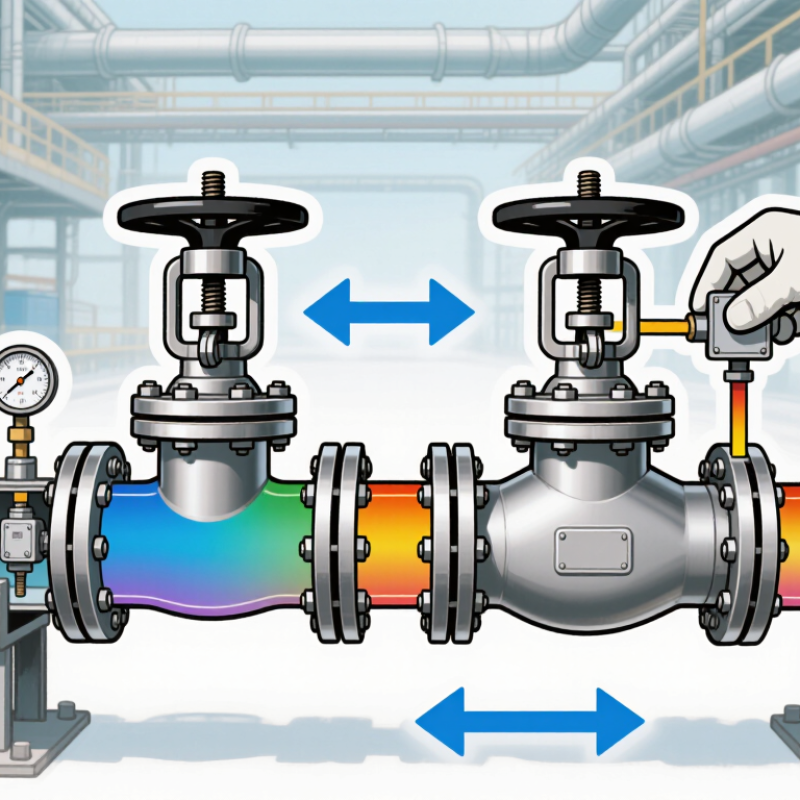
A double valve commonly means two isolation valves arranged in series, often with a bleed point between them. In a double-block-and-bleed setup, both valves close to isolate the line, while the middle cavity can be vented or checked. API Standard 6D also describes a single valve design that provides two sealing barriers and a means to bleed the cavity. The exact arrangement matters; the term “double valve” is not always used consistently.

This setup helps operators verify isolation before maintenance or equipment changeover. For example, a technician can close both valves and check the bleed port for escaping fluid. No flow should appear. If it does, a seat may be leaking. The arrangement does not remove every risk, and correct installation, pressure rating, and maintenance still matter. The International Energy Agency’s Energy Efficiency 2023 report estimates that industry accounts for about 37% of global final energy use, underscoring why reliable process equipment matters across energy-intensive sites.

Tips: Confirm the required isolation standard and fluid conditions before selecting a configuration. Keep the bleed point accessible, and test valve function during planned maintenance. A small detail, but easy to overlook.

Key Components and Common Double Valve Configurations

Why Choose a Double Valve for Industrial Applications?

Key Components and Common Double Valve Configurations

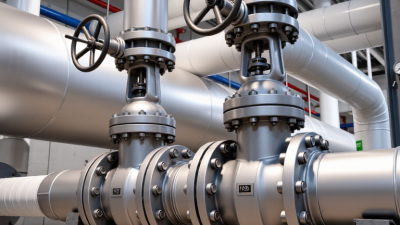
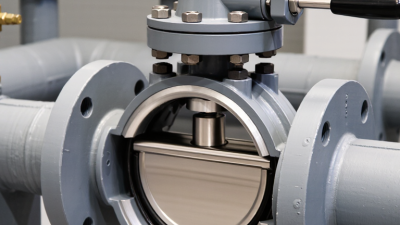
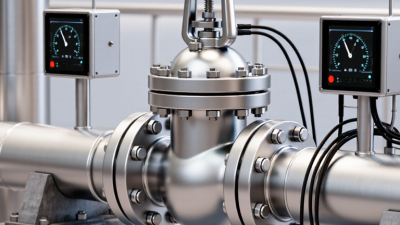
A double valve assembly combines two valve elements to control or isolate flow. Its main components usually include a pressure-rated body, valve seats, stems, seals, and an operating mechanism. Depending on the design, an actuator, position indicator, or interlock may also be fitted. Each part matters. A worn seal can cause leakage, while an unsuitable seat material may degrade when exposed to process fluid or heat. Check the equipment specification against the actual operating conditions.

Common configurations include two shutoff valves in series and double-block-and-bleed arrangements. In the latter, two isolation valves sit around a bleed point, allowing the space between them to be vented or checked. This can help verify isolation during maintenance, but it is not a substitute for site procedures or a qualified risk assessment. I would not assume every “double valve” offers the same protection. Configuration, pressure rating, fluid compatibility, and actuator fail position all need review. One detail is easy to miss: access to the bleed connection.

Tips: Confirm flow direction and connection size before installation. Check the valve seats. Exercise the assembly during scheduled maintenance, and record any leakage, sticking, or unusual operating effort. A small installation mismatch can become a recurring problem.

How Double Valves Improve Industrial Process Control

A double-valve arrangement can make process control more dependable when operators need to isolate equipment, change flow paths, or service a line. In a double-block-and-bleed setup, two closed valves create separate barriers, while the bleed port helps reveal leakage between them. That visible check matters when switching a pump, filter, or tank. A double valve does not automatically regulate flow; correct sizing, actuator response, and maintenance still matter.

Small changes count. The IEA’s Energy Efficiency 2023 report estimates that industry uses about 37% of global energy. The U.S. Department of Energy’s Improving Steam System Performance sourcebook reports that system-level improvements can often save 10–15% in steam energy costs. These figures are not savings guaranteed by adding a second valve. They show why reducing leaks and keeping pressure stable deserve attention.

In practice, operators can use the arrangement to isolate one section while keeping another in service, reducing pressure swings during maintenance or product changeovers. Position feedback and a clear operating sequence help prevent unintended flow. But the extra valve also adds parts to inspect. That trade-off is easy to underestimate. A poorly maintained second seat may create false confidence, so teams should test isolation performance and record leakage trends.

Industries and Systems That Use Double Valves

Double valves are used where a single shutoff leaves too much risk of leakage, pressure carryover, or difficult maintenance. Common settings include oil and gas lines, LNG terminals, chemical processing, power plants, water treatment, and pharmaceutical utilities. In a double-block-and-bleed arrangement, two isolation valves close while a smaller valve releases trapped pressure between them. That middle space matters. It lets operators check for leakage before opening equipment, though the arrangement must match the service and operating procedure.

Large utility systems show why isolation design deserves attention. The U.S. Geological Survey’s 2018 report on 2015 water use estimated withdrawals at 322 billion gallons per day; thermoelectric power accounted for 133 billion, and irrigation for 118 billion. These figures describe water demand, not double-valve installations, but they point to the scale of systems requiring controlled flow and maintenance access. In power stations, paired valves may isolate cooling-water or steam-related equipment. In treatment plants, they can support safe work on pumps, filters, and chemical dosing lines.

LNG systems provide another example. GIIGNL’s 2024 Annual Report recorded about 401 million tonnes of global LNG trade in 2023, involving terminals, storage tanks, and transfer pipelines. Double-valve arrangements can help isolate sections during inspection or equipment changeouts. But adding valves also adds joints, weight, and potential leak points. This is not a magic fix. Engineers need to check pressure, temperature, fluid compatibility, leakage class, and the actual maintenance sequence; a double valve that cannot be safely tested may offer less protection than its name suggests.

Factors to Consider When Selecting a Double Valve

Selecting a double valve starts with the duty, not the pipe size. Define the fluid, operating pressure, temperature range, and required flow rate. A hot, abrasive slurry places different demands on seats and trim than clean water. Check both normal conditions and brief pressure surges. Small details matter.

Confirm that the valve materials and seals suit the process fluid. Ask for compatibility data rather than relying on a general material description. Consider the required isolation level, leakage tolerance, and pressure drop across the assembly. If the arrangement includes a bleed or drain, verify that its size and location allow safe, practical operation. This is easy to overlook. It can also affect maintenance.

Installation space and access deserve a close look. Operators need room to reach handles, actuators, and service points without awkward positioning. Compare manual and powered operation against cycle frequency and control requirements. Review pressure ratings, connection types, and temperature limits in the technical documentation. For critical duties, request test records and confirm how the assembly will be inspected. There is no perfect selection based on a catalog line alone; actual process conditions sometimes reveal assumptions that need a second look.

Request a Quote/Further Information

    Download