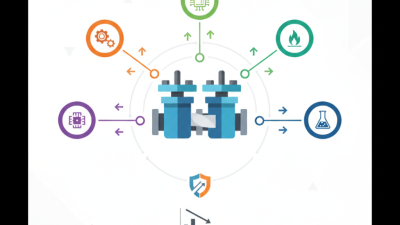
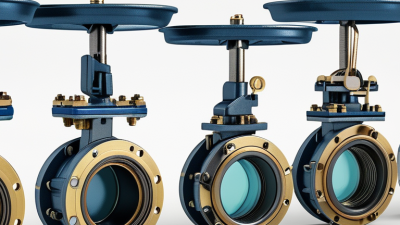
Choosing the right dual valve in 2026 requires more than matching a pipe diameter. It demands a clear understanding of pressure, temperature, fluid behavior, maintenance access, and operational risk. A valve that performs well in clean water may struggle with abrasive slurry, viscous oil, or corrosive chemicals. Small differences matter. Seat materials, actuator response, leakage class, and emergency shutdown requirements can change the entire selection.
R. W. Zappe, author of the Valve Selection Handbook, emphasized a practical principle: “Valve selection must be based on service conditions, not simply on valve size.” That advice remains relevant for every dual valve project. Engineers should examine pressure drop, isolation reliability, cycling frequency, and available space before approving a specification. A compact body may save installation space, yet create difficult maintenance conditions later. That trade-off is easy to overlook.
In 2026, digital monitoring also deserves attention. Position feedback, predictive maintenance data, and remote diagnostics can reveal wear before a shutdown occurs. However, connected features do not replace sound mechanical design. Sometimes, a simpler dual valve is more dependable. That is worth questioning.
Review the complete operating story. What happens during power loss? Can technicians isolate both sides safely? Will the valve still seal after months of infrequent operation? Reliable selection combines manufacturer data, field experience, recognized standards, and honest review of past failures. No specification is perfect. The strongest choice is the one that remains safe, serviceable, and understandable years after installation.
The term dual valve describes several designs, not one universal product. A double-block-and-bleed arrangement uses two isolation valves with a relief path between them. It helps confirm whether either sealing point is leaking. A dual-seat valve places two sealing surfaces inside one body. This design can reduce installation space, but maintenance access may be more limited.
Other dual valves support mixing or flow diversion. Their internal passages direct two streams into one outlet or send one stream toward separate lines. These valves suit process control, heating systems, and fluid distribution. Isolation valves stop flow. Control valves regulate flow. Mixing valves balance temperature or composition. Confusing these functions can create unstable pressure or poor temperature control.
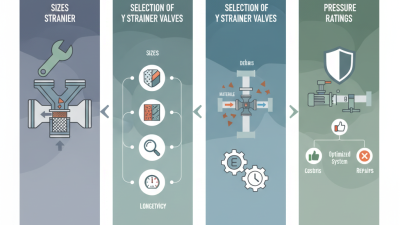
Selection should begin with the fluid, pressure, temperature, pipe size, and required flow rate. Check the valve body's material against corrosion risks. Confirm the seal material with the actual medium, not a general fluid category. Review actuator response, emergency position, inspection access, and applicable safety requirements. A compact design may look efficient. It may also increase service difficulty. That assumption deserves a second look. During inspection, visible leakage around the bleed port, unusual vibration, or slow actuator movement can reveal problems before failure. Keep records of operating cycles and maintenance findings; small patterns often matter.
Choosing the right dual valve in 2026 starts before comparing catalogs. Define the system, not just the component. Record the fluid, operating pressure, temperature range, flow rate, and available space. Note whether the media is corrosive, abrasive, sterile, or prone to crystallization. A clean specification can hide difficult service conditions. I have seen valves selected for normal pressure while ignoring spikes during pump startup. That assumption can be costly. Identify the connection size, actuator type, response time, and leak-tightness class. Also decide what happens after power, air, or signal loss. Closed? Open? Locked in place?
Material compatibility deserves careful review. Check seals, body materials, shaft interfaces, and lubrication against the actual media and temperature. A valve may perform well in testing yet fail early in a humid installation. The overlooked detail might be drainage. Dead legs can retain fluid and complicate cleaning. For automated systems, define feedback signals, cycle frequency, control voltage, and diagnostic needs. Maintenance access matters too. Measure tool clearance around the valve. Include isolation and venting points in the layout. Verify calculations with current process data, not old drawings. Old drawings mislead.
Tips: Create a one-page requirement sheet before requesting quotations. Ask operators about noise, vibration, cleaning routines, and previous failures. Confirm pressure ratings under real temperatures. Leave room for inspection. If two options appear equal, compare lifecycle maintenance, not only purchase cost. A rushed choice often reveals missing requirements later.
| System Requirement | Key Data to Define | Typical Engineering Range or Option | Recommended Dual-Valve Consideration | Why It Matters |
|---|---|---|---|---|
| Fluid state | Liquid, gas, vapor, slurry, or multiphase service | Clean liquid; clean gas; abrasive or solids-bearing flow | Use a low-resistance check design for clean fluids; consider a full-bore or abrasion-resistant design for solids-containing media. | Viscosity, solids, and phase behavior affect flow stability, wear, sealing, and valve response. |
| Fluid temperature | Normal, minimum, maximum, and upset temperature | Common industrial services range from below 0 °C to above 200 °C | Select body, seat, elastomer, gasket, and packing materials for the complete temperature envelope. | Temperature can change material strength, seal elasticity, leakage performance, and thermal expansion. |
| Operating pressure | Normal pressure, maximum operating pressure, surge pressure, and vacuum exposure | Specify the actual pressure envelope and the applicable pressure class or rating. | Choose a valve pressure rating that exceeds the maximum credible pressure, including transient events. | Design pressure is not always the same as normal operating pressure; pressure surges can control the selection. |
| Nominal size | Line size, available face-to-face space, and connection type | Common pipe sizes include DN50 to DN600, with larger sizes available for engineered applications. | Match the valve connection and installation envelope to the piping system; verify internal bore and disc clearance. | An incorrect size can increase pressure loss, installation difficulty, vibration, or maintenance requirements. |
| Required flow capacity | Design flow rate, minimum flow, maximum flow, and allowable pressure drop | Define the required Cv or Kv from the process flow calculation rather than selecting by line size alone. | Compare the valve's published flow coefficient and pressure-loss curve at the actual operating conditions. | A larger nominal valve does not automatically provide the lowest total pressure loss or best controllability. |
| Flow direction | One-way flow, bidirectional isolation, or changing flow direction | Check valves are normally directional; isolation arrangements may require bidirectional shutoff. | For reverse-flow prevention, use a dual-plate check configuration; for isolation, evaluate a double-block-and-bleed arrangement. | Flow direction determines the internal mechanism, seat loading, leakage behavior, and installation orientation. |
| Backflow protection | Acceptable reverse flow and consequences of reverse rotation or contamination | Critical, moderate, or low consequence of reverse flow | Use a non-return design with suitable closing characteristics and verify reverse-flow leakage requirements. | Rapid or uncontrolled reverse flow may damage pumps, compressors, meters, or upstream process equipment. |
| Closing behavior | Maximum allowable closing time, water-hammer sensitivity, and surge limits | Spring-assisted closing; controlled closing; application-specific damping | For surge-sensitive systems, evaluate spring characteristics, disc travel, dynamic response, and transient analysis. | Fast closure can reduce reverse flow but may increase hydraulic shock; the correct balance depends on the system. |
| Isolation requirement | Required shutoff, seat leakage class, drain or vent function, and proof of isolation | Bubble-tight isolation may be required for hazardous, toxic, or maintenance-critical services. | Consider a true double-block-and-bleed valve when independent isolation and cavity venting are required. | A dual-plate check valve prevents reverse flow but is not automatically equivalent to two independent isolation barriers. |
| Materials compatibility | Corrosion, erosion, chemical compatibility, and galvanic effects | Carbon steel, stainless steel, nickel alloys, engineered plastics, and elastomeric seats may be considered. | Verify body, trim, seat, stem, spring, gasket, and coating compatibility with the process fluid. | The least-resistant wetted component can determine service life and leakage performance. |
| Leakage and emissions | Internal leakage, external leakage, fugitive emissions, and environmental limits | Define the required seat-tightness standard and packing or bellows-seal requirements. | Select the sealing arrangement and test standard appropriate to hazardous or regulated service. | Leakage limits affect safety, emissions compliance, maintenance frequency, and total operating cost. |
| Actuation | Manual, pneumatic, electric, hydraulic, or self-actuated operation | Manual operation for infrequent service; powered actuation for remote or automated systems | Check available power, torque or thrust, fail position, operating speed, feedback, and control-system compatibility. | The actuator must operate the valve under maximum differential pressure and the specified environmental conditions. |
| Fail-safe function | Required position after loss of power, air, hydraulic pressure, or signal | Fail-open, fail-closed, fail-in-place, or mechanically locked position | Define the safe state from the process hazard analysis before selecting the actuator and valve arrangement. | Fail action is a process-safety requirement, not merely an actuator preference. |
| Installation orientation | Horizontal or vertical pipe, flow direction, access, and support limitations | Orientation depends on valve design; some check valves require a preferred flow direction or position. | Confirm the manufacturer's installation limits and maintain the required clearance for disc, stem, actuator, and maintenance. | Incorrect orientation can cause unstable operation, premature wear, poor seating, or failure to close. |
| Connection standard | Flanged, wafer, lugged, threaded, welded, or compact piping connection | Common flange systems include ASME, EN, and other regional standards. | Match flange dimensions, pressure rating, gasket type, bolt pattern, and face-to-face dimensions to the piping specification. | Connection mismatches can cause installation delays, leakage, unsafe loading, or incompatible replacement parts. |
| Maintenance strategy | Inspection interval, replaceable trim, online service, spare parts, and access restrictions | Routine inspection; planned shutdown maintenance; low-access or buried installation | Prefer designs with accessible seats, replaceable wear components, and documented inspection procedures where downtime is costly. | Lifecycle cost includes labor, outage duration, spare parts, testing, and disposal—not only purchase price. |
| Applicable standards | Design, testing, pressure equipment, fire-safe, emissions, and hazardous-area requirements | Examples include API, ASME, ISO, EN, IEC, and local regulatory requirements where applicable. | List mandatory standards in the procurement specification and require documented inspection and pressure-test records. | Standards establish minimum requirements for dimensions, materials, testing, marking, safety, and quality assurance. |
| Selection decision | Performance, safety, availability, lifecycle cost, and documented compliance | Use a weighted technical evaluation rather than price alone. | Approve the dual-valve design only after confirming process data, pressure drop, leakage, actuation, installation, and maintenance requirements. | A properly defined system requirement reduces oversizing, premature failure, unsafe isolation, and avoidable operating costs. |
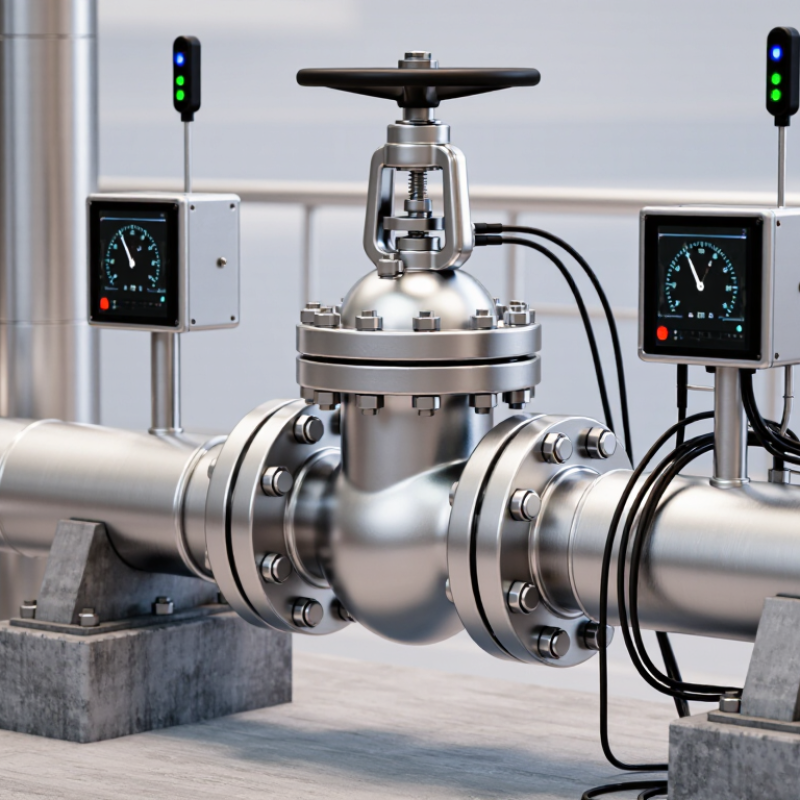
Choosing a dual valve in 2026 starts with the fluid, temperature, and operating cycle, not the catalog photograph.
In field inspections, I compare body and seal materials against actual media exposure and cleaning routines. Stainless steel can resist corrosion, while reinforced polymers may reduce weight in suitable, lower-temperature systems. Compatibility tables matter. Guesswork does not. A seal that swells after repeated thermal cycles can restrict movement or create a slow leak.
Pressure rating needs a safety margin based on operating pressure, surge, temperature, and connection design. Do not match the valve to normal pressure alone. A line rated at 10 bar may experience damaging spikes during rapid closure. I also check whether the rating changes at elevated temperature, because published figures can be misunderstood. That check is often skipped. My earlier choice was overly conservative, adding cost and weight without improving control; a second review exposed that mistake.
Flow performance depends on port size, internal geometry, viscosity, and the required flow range. A larger valve is not automatically better. It may reduce velocity but perform poorly at low demand. Ask for pressure-drop data at real flow conditions, not only a nominal coefficient. For a practical test, record inlet and outlet pressure at 25%, 50%, and 100% opening. Small deviations deserve investigation. Independent test records, traceable material certificates, and documented inspection intervals strengthen a purchasing decision.
How to Choose the Right Dual Valve in 2026?
Choosing a dual valve starts with compatibility, not price. Confirm the fluid, pressure, temperature, pipe size, and connection type. Check whether the valve body and seals suit the medium. A small mismatch can cause swelling, leakage, or early failure. Review the equipment drawings and current operating data before ordering. Do not rely on appearance alone.
Installation conditions also influence valve performance. Measure the available space, including room for handles, actuators, and future servicing. Follow the marked flow direction and provide proper pipe support. Misaligned pipes can place stress on the valve body. In tight areas, access may be overlooked. That mistake becomes expensive later. Consider vibration, outdoor exposure, condensation, and possible pressure surges. A qualified technician should verify the installation against applicable local requirements.
Maintenance needs depend on operating frequency and fluid cleanliness. Ask how often the valve will cycle and whether debris may enter the line. Select a design with accessible seals and practical isolation points. Keep spare sealing components available, but confirm their material before replacement. Record inspections, torque checks, leakage tests, and operating changes. In field work, I have seen routine checks prevent major shutdowns. I have also seen schedules become unrealistic when access was poor. Revisit the maintenance plan after several months of actual use. It may need adjustment.
Checking compatibility, installation conditions, and maintenance needs is essential when selecting a dual-valve configuration for a piping system.
This 100-point screening model gives the greatest weight to media, material, pressure, and temperature compatibility. Installation conditions cover available space, flow direction, connection type, and access for commissioning. Maintenance needs include inspection access, replaceable sealing components, isolation capability, and expected service frequency.
How to Choose the Right Dual Valve in 2026?
A dual valve should be selected as a safety barrier, not merely as a flow-control component. Check independent shutoff, bleed-path design, fire resistance, and pressure ratings. API 598 testing can verify shell strength and closure performance. For hazardous service, ISO 15848-1 helps assess fugitive-emission performance. The IEA’s Global Methane Tracker 2024 estimates that fossil-fuel operations released over 120 million tonnes of methane in 2023. Small stem leaks matter.
Standards must match the actual service. Review temperature cycles, corrosive fluids, actuator failure modes, and maintenance access. IEC 61508 supports functional-safety evaluation, but certification alone cannot replace a site-specific risk assessment. I have seen specifications focus heavily on purchase price. That is a mistake. Sometimes. A cheaper valve may require more frequent packing replacement, testing, and isolation downtime.
Use life-cycle costing instead of invoice price alone. The U.S. Department of Energy’s Operations and Maintenance Best Practices Guide reports potential energy savings of 5–20% through stronger maintenance practices. For dual valves, include inspection labor, spare seals, leak testing, disposal, and lost production. Request documented test results, material traceability, and failure-rate assumptions. Then challenge the assumptions. A reliable choice is the valve that remains safe after years of cycling, imperfect maintenance, and changing operating conditions.
© Shipham Valves 2025. All Rights Reserved.
Website By PS Website Design Ltd
Request a Quote/Further Information
Download
We use cookies on this website, by continuing to browse the site you are agreeing to our use of cookies. Find out more.