Call us on: +44 (0) 1482 323163
Request a Quote
Choosing among China’s top 10 dual check valve manufacturers requires more than comparing product photos or advertised prices. A reliable supplier should demonstrate manufacturing experience, stable quality control, and clear technical documentation. This guide introduces manufacturers commonly considered for industrial fluid-control applications, including water treatment, HVAC systems, fire protection, and process piping.
A practical evaluation examines valve materials, pressure ratings, connection standards, and sealing performance. Stainless steel, brass, and ductile iron options serve different operating environments. Buyers should also review cracking pressure, temperature limits, flow direction, and resistance to reverse flow. Factory testing matters. Ask for pressure-test records, inspection procedures, material certificates, and traceable batch information. Small details often reveal production discipline.
Look beyond the catalog.
Supplier communication deserves equal attention. Can the technical team explain sizing without vague promises? Are drawings, samples, and replacement parts available before a large order? Certifications may support credibility, but they should match the actual product and market requirement. A certificate alone proves little.
This comparison is intended as a practical starting point, not a permanent verdict. Manufacturer rankings can change with equipment upgrades, staff changes, raw-material costs, and export performance. Some public information may remain incomplete, so independent verification is still necessary. Site audits, sample testing, and carefully reviewed contracts can reduce avoidable risks. The strongest manufacturer is not always the cheapest one; it is the supplier that delivers consistent dual check valve performance under real operating conditions.
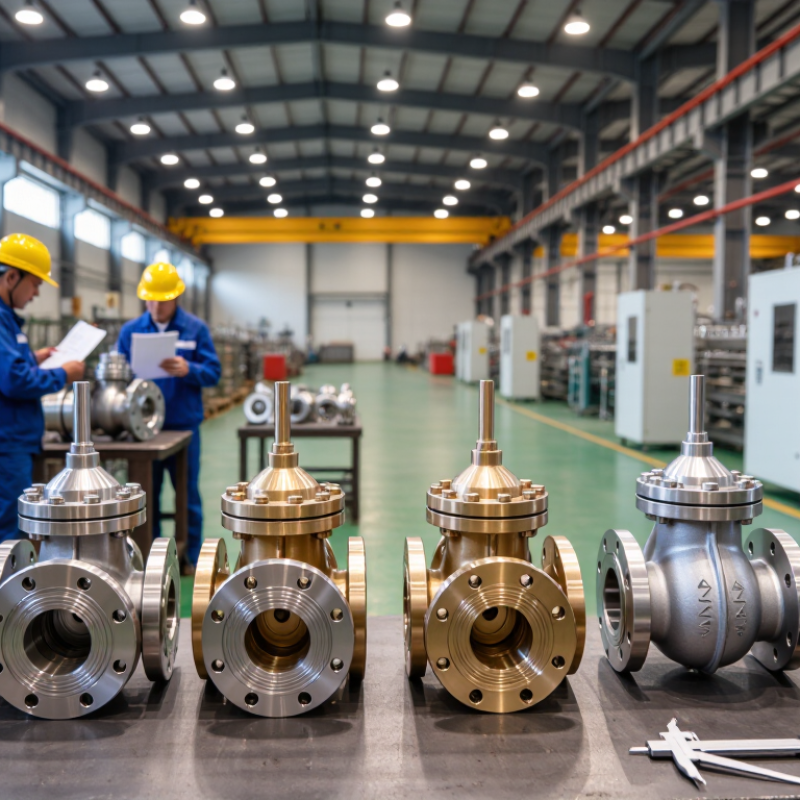
China Top 10 Dual Check Valve Manufacturers?
DN and PN are essential when evaluating a dual check valve. DN identifies the nominal pipe size, not the exact internal diameter. A DN50 valve may have different flow passages across designs. PN indicates the nominal pressure rating, commonly referenced at a defined temperature. It is not a permanent guarantee under every operating condition.
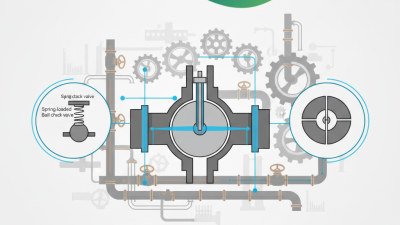
A dual check valve uses two independent check mechanisms to limit reverse flow. If one check does not seal completely, the second provides another barrier. This arrangement helps protect potable water lines, pumps, heating systems, and process equipment from backflow. Pressure drop still matters. A compact valve with strong springs may resist reverse flow effectively, but it can reduce flow at low pressure.
In practical selection, compare the valve’s DN with the connected pipe, then verify PN against maximum working pressure and temperature. Check the media, seal material, installation direction, and available inspection data. I have seen projects choose by size alone, only to discover noisy operation after commissioning. That mistake is easy to repeat. Test the valve under realistic flow conditions, not only at static pressure. Manufacturer drawings should show cracking pressure, leakage limits, connection dimensions, and maintenance requirements. Some specifications remain unclear, so questioning the supplier is part of reliable engineering.
| Profile | Nominal Size (DN) | Nominal Pressure (PN) | Typical Working Pressure | Common Valve Construction | Typical Connection | Primary Backflow-Control Function | Applicable Standards and Verification Points | Typical Application |
|---|---|---|---|---|---|---|---|---|
| 1 | Compact Threaded | DN15–DN50 | PN10–PN16 | Brass or stainless-steel body; two spring-loaded check elements | Threaded ends, commonly ISO 7-1 or ASME B1.20.1 thread forms | Prevents reverse flow in small water and utility lines; two independent closing points improve protection compared with a single check element | Verify pressure-temperature rating, thread conformity, flow direction marking, and hydrostatic or leakage test results | Domestic water, small pumps, drinking-water assemblies, and light commercial plumbing |
| 2 | Flanged Water-Service | DN50–DN300 | PN10–PN16 | Ductile iron or cast-iron body; elastomer-seated discs and stainless-steel springs | Flanged ends to EN 1092-2 or equivalent flange dimensions | Limits reverse flow after pump shutdown and reduces the risk of pipeline emptying or fluid reversal | Check EN 1074-3, flange drilling, face-to-face dimension, coating system, and shell-seat test requirements | Municipal water supply, water treatment, irrigation, and building services |
| 3 | Wafer Spring-Loaded | DN50–DN600 | PN10–PN40 | Carbon steel, stainless steel, or ductile iron body with guided discs | Wafer installation between pipeline flanges | Fast spring-assisted closure helps reduce reverse-flow duration and can limit water-hammer risk when correctly sized | Verify API 594 or the specified project standard, minimum back pressure, disc travel, and pressure-drop data | HVAC circulation, general industrial water, cooling systems, and pump discharge lines |
| 4 | High-Pressure Flanged | DN50–DN400 | PN25–PN40 | Forged or cast carbon steel; metallic or resilient sealing options | Raised-face or flat-face flanges selected for the piping class | Provides dual-stage non-return protection for higher-pressure process and utility systems | Confirm EN 12266-1 or API 598 testing, material certificates, pressure-temperature curves, and flange rating | High-pressure water, boiler auxiliary systems, industrial utilities, and process pipelines |
| 5 | Stainless-Steel Hygienic | DN15–DN100 | PN10–PN16 | 316 or 316L stainless steel body and internal components; sanitary elastomer seats | Tri-clamp, butt-weld, or hygienic threaded connection | Stops product or cleaning-fluid backflow while supporting cleanability and reduced contamination risk | Verify surface finish, weld quality, elastomer compatibility, drainability, and hygienic design requirements | Food processing, beverage production, pharmaceutical utilities, and clean process water |
| 6 | Corrosion-Resistant Alloy | DN15–DN200 | PN10–PN40 | Stainless steel, duplex stainless steel, or corrosion-resistant alloy body | Threaded, socket-weld, butt-weld, or flanged connections | Provides non-return protection where the fluid may attack carbon steel or standard elastomers | Evaluate chemical compatibility, chloride resistance, material traceability, seat compound, and corrosion allowance | Seawater, desalination, chemical dosing, marine utilities, and corrosive process service |
| 7 | Low-Pressure-Loss Inline | DN25–DN250 | PN10–PN25 | Streamlined ductile iron, carbon steel, or stainless-steel body with guided spring discs | Threaded, grooved, wafer, or flanged options | Maintains forward flow with lower resistance while closing automatically when differential pressure reverses | Review certified flow-coefficient or pressure-drop curves, cracking pressure, installation orientation, and seat leakage | Energy-efficient pumping, HVAC circulation, compressed-air utilities, and water distribution |
| 8 | Pump-Discharge Dual Plate | DN80–DN1200 | PN10–PN40 | Cast or fabricated body with two semicircular plates, hinge pins, and torsion or compression springs | Wafer or lug-style body between flanges | Reduces reverse-flow volume after pump stopping and offers a compact alternative to a swing check valve | Verify API 594 or project requirements, minimum velocity, disc stability, hinge design, and dynamic closure behavior | Large pump stations, cooling-water systems, fire-water networks, and industrial pipelines |
| 9 | Rubber-Seated Wastewater | DN50–DN600 | PN6–PN16 | Ductile iron or coated cast iron body with replaceable elastomer sealing elements | Flanged or grooved ends | Helps prevent sewage, sludge, or contaminated water from returning to upstream equipment and collection lines | Check solids passage, seat abrasion resistance, coating specification, access for maintenance, and leakage class | Wastewater treatment, drainage pumping, sludge handling, and stormwater systems |
| 10 | Backflow-Prevention Assembly | DN15–DN100 | PN10–PN16 | Two independently spring-loaded check valves with an intermediate testable zone; brass or stainless steel body | Threaded or flanged connections with test ports where required | Provides a higher level of backflow protection by using two check valves and a monitored intermediate chamber | Verify local plumbing approval, test-cock arrangement, relief or drain function, differential-pressure criteria, and periodic testability | Potable-water protection, chemical dosing, irrigation systems, and commercial plumbing |


© Shipham Valves 2025. All Rights Reserved.
Website By PS Website Design Ltd
Request a Quote/Further Information
Download