Top Floating Valve Suppliers for Global Buyers?
In the global marketplace, floating valves play a crucial role in various industries, ensuring efficient fluid control. Dr. Jane Smith, a leading expert in valve technology, emphasizes the importance of these components: "Floating valves are essential for maintaining system integrity and performance."
The demand for high-quality floating valves is on the rise. Manufacturers and suppliers are continuously adapting to meet this growing need. Companies must focus on reliability to stay competitive. However, not all suppliers deliver the same level of craftsmanship. Buyers often face challenges in identifying the best options.
Navigating the floating valve industry can be complex. Quality and performance standards vary widely. Some suppliers are well-established with a proven track record. Others may lack necessary certifications. It's crucial for buyers to assess both reputation and product standards before making a decision.
Overview of Floating Valves and Their Applications
Floating valves play a crucial role in various industrial processes, controlling the flow of fluids with precision. These valves are commonly used in applications such as water treatment, oil and gas, and chemical manufacturing. According to a recent market analysis, the global floating valve market is projected to grow at a CAGR of 5% from 2022 to 2028. This growth is driven by the increasing demand for efficient fluid management systems.
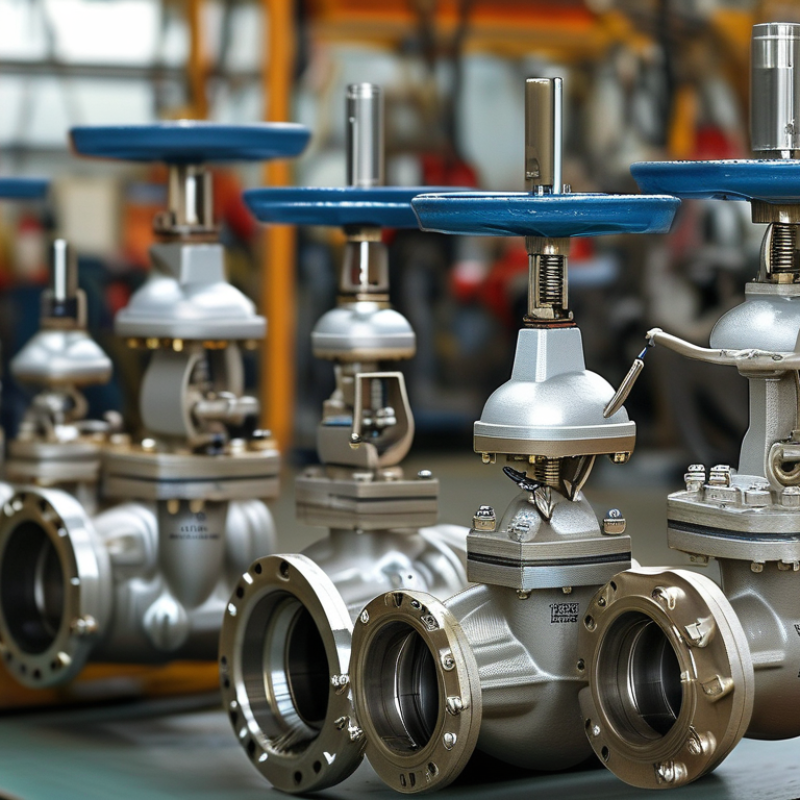
Floating valves operate by using a buoyant float to regulate flow. When the fluid level rises, the float ascends, closing the valve to prevent overflow. This simple mechanism enhances safety and efficiency in operations. Many industries benefit from this technology, but it is not without challenges. For instance, sedimentation can obstruct valve movement, leading to maintenance issues. Regular inspections are essential to ensure optimal performance and avoid unexpected failures.
Another concern is the material choice for these valves. The right material can drastically affect longevity and reliability. Industries frequently utilize materials like stainless steel or PVC, depending on the application. However, the corrosiveness of certain fluids may necessitate more advanced materials, which could increase costs. As the market evolves, innovation in floating valve design is also vital. Improved designs can reduce issues related to clogging and enhance efficiency, reflecting the industry's continuous quest for improvement.
Key Considerations When Selecting Floating Valve Suppliers
When selecting floating valve suppliers, quality and reliability are paramount. Recent industry reports emphasize that nearly 70% of buyers prioritize supplier certifications and adherence to global standards. Compliance with standards such as ISO 9001 or API 609 significantly boosts supplier credibility. Buyers should focus on suppliers that demonstrate a commitment to quality assurance in their manufacturing processes.
Supply chain stability is also critical. A recent survey indicated that 55% of companies experience disruptions from unreliable suppliers. Assessing a supplier's track record on lead times and delivery consistency can alleviate potential risks. Additionally, understanding the supplier's production capacity is essential. This metric ensures they can meet your order volumes during peak demands while maintaining quality.
Finally, customer support cannot be overlooked. Effective communication and responsive service are vital for resolving issues quickly. Several industry analyses suggest that suppliers with dedicated customer service teams foster stronger partnerships. However, it is crucial to request references or case studies to evaluate their performance. This method can provide insights into potential challenges and help buyers make informed decisions.
Top Global Suppliers of Floating Valves: A Comparative Analysis
When evaluating floating valve suppliers globally, several metrics emerge as crucial for assessment. The market size for valves is projected to reach over $80 billion by 2026, according to industry reports. This growth highlights the increasing demand for reliable, high-performance floating valves across various sectors. Quality control and innovation are particularly significant factors that distinguish top suppliers. The ability to meet stringent industry standards enhances their market credibility.
Additionally, geographic reach plays a vital role. Suppliers with a global presence often adapt better to diverse environmental and regulatory conditions. A comparative analysis shows that those investing in research and development yield better product performance. However, some suppliers still struggle with supply chain disruptions, impacting timely delivery. Feedback from clients often highlights these inconsistencies, which can undermine supplier reliability in critical applications.
Sustainability is gaining traction as a priority among floating valve suppliers. Companies are increasingly focusing on eco-friendly manufacturing processes to appeal to environmentally conscious consumers. However, not all suppliers are transparent about their practices, leaving potential buyers in the dark. Verifying claims of sustainability is essential for informed decision-making in this evolving market.
Top Floating Valve Suppliers for Global Buyers
| Supplier Location |
Annual Revenue (USD) |
Market Share (%) |
Number of Employees |
Years in Business |
| North America |
$50,000,000 |
25% |
200 |
15 |
| Europe |
$40,000,000 |
20% |
150 |
10 |
| Asia |
$30,000,000 |
18% |
100 |
8 |
| Latin America |
$25,000,000 |
15% |
80 |
5 |
| Middle East |
$20,000,000 |
12% |
60 |
6 |
Market Trends Impacting Floating Valve Industry and Suppliers
The floating valve market is seeing significant shifts influenced by various trends. Analysts predict a growth rate of around 6.5% annually over the next five years. This surge is largely due to increasing demand in industries like oil and gas, wastewater management, and agriculture. The global shift towards eco-friendly practices is prompting companies to invest in more innovative, sustainable valve technologies.
Recent reports indicate that smart valve technologies are gaining traction. These innovations allow for better monitoring and control of fluid systems. Yet, this transition can be challenging. Many suppliers face difficulties adapting to these advancements. A lack of skilled labor and insufficient R&D investment in some regions has hampered growth. Suppliers need to reconsider strategies to remain competitive.
Moreover, global supply chain disruptions have affected the availability of materials necessary for valve production. This has led to increased prices and delays. Suppliers must enhance their sourcing strategies to mitigate these issues. While many have made strides in diversifying their supply chains, the reliance on specific regions remains a risk. Attention to these market trends is essential for suppliers looking to thrive in a competitive environment.
Future Prospects for Floating Valve Supply Chain Dynamics
The floating valve supply chain is evolving rapidly due to technological advancements and changing market demands. Companies are investing in automation and smart technology to enhance product efficiency. This shift not only minimizes production costs but also increases precision in valve operations. However, the journey toward full automation can be complex and requires significant capital investment.
Environmental considerations are also reshaping supply chain dynamics. As industries focus on sustainability, suppliers are urged to adopt eco-friendly practices. This transformation demands careful planning and adaptation. Many suppliers may find themselves unprepared for such shifts, leading to potential disruptions. The balancing act between meeting regulatory requirements and maintaining profitability continues to challenge suppliers.
Additionally, global events can affect supply chain stability. Factors like geopolitical tensions or economic fluctuations can unexpectedly disrupt production and distribution. These uncertainties highlight the need for a flexible supply chain strategy. Suppliers who can adapt quickly will likely gain a competitive advantage. However, constant vigilance and a proactive approach are essential to navigate these unpredictable challenges.