3 Valve Tips for Optimal Performance in Your Projects?
In the world of fluid control, the expertise of professionals is invaluable. Take John Smith, a senior engineer at Valve Solutions, who emphasizes, "Understanding the three key valve strategies can transform project outcomes." The "3 valve" approach is crucial for optimizing performance in various applications, from industrial settings to complex systems.
Valve performance directly influences efficiency and safety. The right selection, installation, and maintenance can make a significant difference. Each project presents unique challenges. A common mistake is overlooking the importance of each valve type. Many professionals may hesitate to adapt simple solutions for complex requirements. Engaging with experienced engineers can provide fresh insights.
In discussions on fluid dynamics, it's evident that even minor adjustments yield impressive results. An effective "3 valve" strategy might not always be the easiest path. Yet, it often leads to the most reliable and efficient workflows. Industry leaders continually highlight the value of this approach, revealing that there's always room for improvement and reflection.
Understanding Valve Types and Their Impact on Project Efficiency
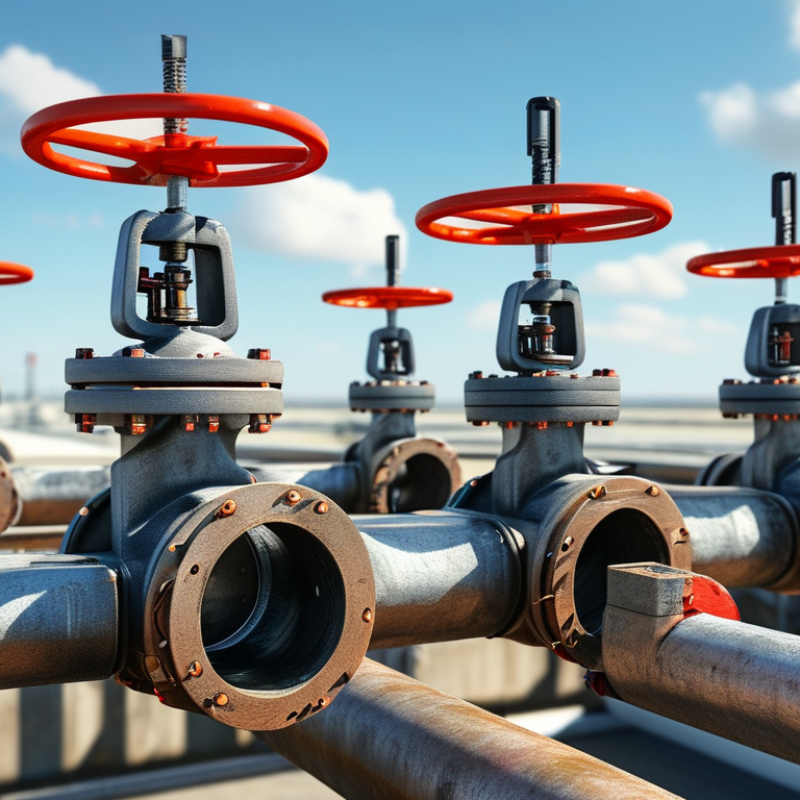
Understanding valve types is essential for boosting project efficiency. Different valves serve specific functions and selecting the right one can directly influence your workflow. For instance, ball valves are known for their quick shut-off capabilities, making them ideal for applications where time is critical. On the other hand, globe valves excel in flow regulation, providing control over the flow rate. Often, project managers overlook these details, assuming all valves perform similarly.
The material of the valve is another important factor. Stainless steel valves offer durability but come with a higher price tag. Plastic valves are cost-effective but may not withstand high pressure or temperature. Choosing the right material requires careful consideration of your project’s specific conditions. Many professionals feel overwhelmed by these choices, leading to hasty decisions that could affect overall performance.
It's vital to evaluate not just the valve type, but also its maintenance needs. Some valves require regular checks, while others are low-maintenance. Overlooking this aspect can cause unexpected downtime. It's a reminder that the ideal solution is not just about selecting parts that fit; it's about understanding how they will operate over time. A thoughtful approach can reveal insights that improve project outcomes significantly.
Key Factors Affecting Valve Performance in Industrial Applications
In industrial applications, the performance of valves is crucial for efficient operations. Various factors influence this performance. For instance, material selection plays a vital role. Reports indicate that using the wrong materials can lead to costly failures. Approximately 12% of valve malfunctions are linked to corrosion or wear due to improper material. This highlights the importance of understanding the environment in which the valve operates.
Another key factor is the design of the valve itself. A well-designed valve can enhance flow efficiency and reduce energy consumption. Studies show that optimizing valve geometry can improve flow rates by up to 30%. However, many engineers overlook this critical aspect. They focus more on cost rather than long-term performance. This mindset can lead to inefficiencies and increased maintenance costs later.
Lastly, proper maintenance is essential for sustaining valve performance. Regular inspections and servicing can prevent up to 80% of potential failures. Yet, statistics reveal that only 55% of companies follow a consistent maintenance schedule for their valves. This gap can result in unexpected downtime and financial losses. Acknowledging these factors can significantly enhance the reliability of valve operations in various industrial settings.
Best Practices for Valve Maintenance to Enhance Longevity and Reliability
Proper valve maintenance is essential for longevity and reliability in various projects. According to a report by the American Society of Mechanical Engineers, regular maintenance can extend valve life by up to 30%.
It’s important to inspect valves regularly to catch wear early. Common issues include corrosion and seat erosion, which can dramatically affect performance. Over time, ignoring these factors leads to failures and costly downtimes.
Lubrication is another critical component of valve upkeep. Research indicates that properly lubricated valves can operate 25% more efficiently than those that are not. This efficiency directly impacts system performance. Recommended lubricants depend on the valve's operating conditions.
It's also vital to use compatible materials to avoid adverse chemical reactions. Moreover, staff training on maintenance protocols can significantly enhance reliability. Many organizations report that improper training has led to an increase in valve failures.
Ignoring valve maintenance can result in cascading failures within a system. Data shows that unmaintained valves account for nearly 40% of operational disruptions. Regular checks, efficient lubrication, and staff education can mitigate these risks.
This hands-on approach ensures that the valves perform optimally. While achieving perfect maintenance is challenging, striving for continual improvement can yield significant benefits.
Using Data-Driven Techniques to Optimize Valve Selection in Engineering
In engineering projects, selecting the right valve is crucial for optimal performance. Using data-driven techniques can enhance the selection process. It’s important to gather data on operating conditions, fluid characteristics, and environmental influences. This step helps in making informed choices based on empirical evidence.
Data analysis can illuminate the nuances of valve performance. When engineers have access to historical performance data, they can better predict future outcomes. This reduces the risk of valve failure. Monitoring flow rates, pressure levels, and temperature fluctuations provides valuable insights. These metrics guide the selection of valves that will perform reliably under specific conditions.
One common misstep is neglecting the importance of real-time data. Engineers should implement monitoring systems to capture performance insights continuously. Outdated information can lead to suboptimal decisions. Remember, what worked in one project may not apply to another. Keeping data updated ensures that choices align with current needs. This approach fosters a culture of continuous improvement, ultimately enhancing project success.
Common Valve Installation Mistakes and How to Avoid Them for Success
Valve installation is crucial for project efficiency. Common mistakes can lead to system failures or safety hazards. Understanding these pitfalls helps improve performance.
Improper valve orientation is a frequent error. Valves must align correctly with flow direction. When incorrectly installed, they create blockages. A report by the Fluid Control Research Institute states that 30% of valve failures stem from misalignment. Check flow arrows before securing valves into place.
Another common mistake is neglecting to apply the correct torque. Over-tightening can damage valve components. Conversely, under-tightening leads to leaks. Research indicates that nearly 25% of system leaks are due to improper torque. Always use a calibrated wrench for accurate measurements.
Lastly, ignoring manufacturer specifications can have dire consequences. Each valve has specific installation requirements. Failure to adhere can cause malfunctions. It's vital to review and follow these guidelines closely. Ensuring compliance enhances system reliability and longevity.
3 Valve Tips for Optimal Performance in Your Projects
This chart illustrates the common installation mistakes related to valve performance and their impact on project success. The data reflects a survey of professionals in the field regarding the frequency of these mistakes and their perceived effect on project outcomes.