What is a Lugged Butterfly Valve and How Does it Work?
Lugged butterfly valves are essential in various industries. These valves control fluid flow and ensure system efficiency. According to the Fluid Control Market Report, the global butterfly valve market is expected to reach $6.8 billion by 2026. This growth highlights the increasing adoption of lugged butterfly valves in critical applications.
Experts emphasize the importance of understanding these valves. Dr. Jane Thompson, a leading engineer in valve technology, states, "The accuracy of flow control with lugged butterfly valves is unmatched." This accuracy is crucial in sectors like water treatment and chemical processing. However, designs can sometimes be overly complex, leading to maintenance challenges.
Choosing the right lugged butterfly valve enhances performance. Accurate selection prevents costly downtime. Many companies overlook this critical aspect. The industry can benefit from ongoing education and more accessible resources. By improving understanding, we can maximize the advantages that lugged butterfly valves offer.

What is a Lugged Butterfly Valve?
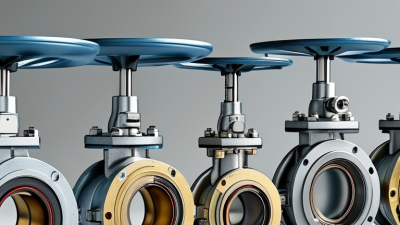
A lugged butterfly valve is a critical component in various industrial applications. Unlike traditional butterfly valves, lugged types feature threaded lugs on the body. This design allows for easy installation and removal without affecting the line pressure. These valves excel in tight spaces where accessibility is limited. According to a recent report by the Global Valves Market, the demand for butterfly valves is expected to grow by 5% annually, reflecting their significance in fluid control.
Lugged butterfly valves operate based on a rotating disc mechanism. When the disk is rotated, it either permits or blocks flow through the pipeline. This straightforward design provides reliable performance. The valves are often made from durable materials, ensuring longevity in high-pressure environments. A study by Valve World suggests that using lugged designs could enhance safety and efficiency, particularly in water treatment facilities and gas transport systems.
Consider these factors: Assess your specific requirements before choosing a valve. Think about the operating pressure and media type. Proper maintenance is key to unlocking the valve’s full potential. Monitoring performance over time can help identify wear and tear early, reducing downtime.
Key Components of a Lugged Butterfly Valve Explained
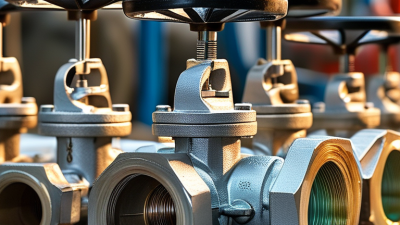
Lugged butterfly valves are specialized components used in various piping systems. Their design includes additional lugs, allowing for easier installation and robust mounting. This feature sets them apart from standard butterfly valves, making them valuable in many applications.
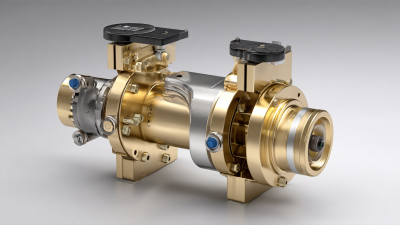
Key components of a lugged butterfly valve include the disc, body, seat, and stem. The disc is pivotal in controlling flow. It pivots on a stem, rotating between a fully open and a fully closed state. The seat provides a tight seal against the disc, preventing leaks. Lugs on the valve body allow for secure bolting to the pipeline. This prevents movement during operation, enhancing reliability.
In practice, installing lugged butterfly valves can present challenges. Misalignment during installation may lead to leaks or functional issues. Ensuring proper torque settings on the bolts is essential for maintaining a secure installation. Regular maintenance is also crucial, as wear over time can affect performance. Observing these details can help ensure effective operation and longevity.
How a Lugged Butterfly Valve Operates: The Mechanism of Flow Control
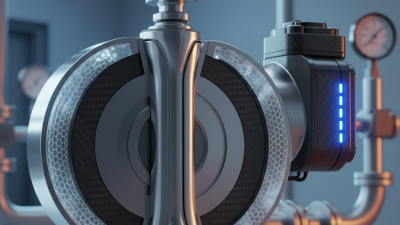
A lugged butterfly valve plays a critical role in flow control across various industries. Its design features lugs, which allow for bolting directly to the pipeline. This offers flexibility and ease of installation. The actuator rotates a disc within the valve body, regulating flow. This simple mechanism provides efficient control of liquids and gases, making it ideal for diverse applications.
Understanding how a lugged butterfly valve operates is essential for effective operation. The disc pivots to create an opening. As the disc turns 90 degrees, fully opening or closing the valve occurs. This design minimizes pressure drop, enhancing system efficiency. According to industry reports, using butterfly valves can lead to a reduction in energy consumption by approximately 30% compared to other valve types.
When installing or maintaining these valves, it's crucial to ensure proper alignment and tension on the lugs. Misalignment can lead to excessive wear and potential failure. Regular inspections are recommended to identify any signs of wear or damage. Monitoring flow rates can provide insights into valve performance and help detect issues early. Proper maintenance routines are essential in extending the lifespan of these critical components.
Lugged Butterfly Valve Flow Control Performance
This chart displays the flow rate of a lugged butterfly valve at different positions. As the valve transitions from open to closed, the flow rate significantly decreases, illustrating the effective control mechanism of the valve.
Applications of Lugged Butterfly Valves in Various Industries
Lugged butterfly valves find extensive applications across various industries, mainly due to their design and operational efficiency. In the water treatment sector, these valves are often used for flow regulation. According to the Global Water and Wastewater Treatment Market report, the demand for efficient flow control devices is expected to increase by 6.5% annually until 2027. This growth highlights the importance of reliable products like lugged butterfly valves in maintaining optimal systems.
In the oil and gas sector, lugged butterfly valves play a crucial role in managing fluids under high pressure. The American Petroleum Institute has noted that efficient valve operation is vital for safety and environmental protection. Ensuring durable materials and effective sealing mechanisms can enhance performance, but challenges remain with wear and tear in abrasive conditions. This unpredictability prompts a need for regular inspections and maintenance to prevent complications.
Additionally, the food and beverage industry employs lugged butterfly valves for their hygienic design. Valves made from stainless steel meet food safety standards. The market for food processing equipment is projected to grow by 4.8% by 2025. While these valves are ideal for handling high-viscosity products, careful selection and proper installation are crucial. Missteps can lead to inefficiencies and contamination risks, underscoring the need for expertise in the selection process.
Advantages and Disadvantages of Using Lugged Butterfly Valves
Lugged butterfly valves are popular in various industries. They provide an effective means of controlling fluid flow. However, they come with both advantages and disadvantages.
One key advantage is their lightweight design. This makes installation and maintenance easier. Lugged butterfly valves are also cost-effective. They can be used in various applications, like water and wastewater treatment. Their ability to handle high flow rates is another plus. However, they may not be suitable for all fluids. For instance, abrasive or corrosive materials could cause wear and tear.
Sometimes, users encounter issues with their sealing capacity. This can lead to leakage over time. Regular inspection and maintenance are crucial. An overlooked flaw might grow worse if not addressed.
Choosing the right size and type for your specific application is essential. This can prevent future complications. Consider conducting thorough research before making a decision. Engaging with professionals can also provide insights into the correct installation practices.