Choosing a lugged butterfly valve is not just a matter of matching the pipe diameter. The valve must suit the fluid, operating pressure, temperature, and required shutoff performance. A mismatch can lead to leakage, premature wear, or difficult maintenance. Small details matter. Check the valve body, disc, seat, and stem materials against the actual service conditions—not only a catalog description. Confirm the pressure rating and whether the valve must provide dead-end service between flanges. Also consider the actuator, installation space, and how often operators will cycle the valve.
A practical selection rule is simple: “Choose for the service conditions, not the product photo.” No verified expert quotation or expert name was provided, so attributing that advice to a named specialist would be unreliable. The guidance here focuses instead on checks that buyers and engineers can verify in manufacturer documentation. Compare flange compatibility, face-to-face dimensions, seat design, and available test information before ordering. Ask the supplier how the valve performs with your specific media and operating cycle. That conversation can reveal limitations a short specification sheet may not show. It is worth pausing over one point: a lower purchase price does not always mean lower lifecycle cost. A lugged butterfly valve should be selected for dependable operation, maintainability, and compatibility with the system—not appearance alone.
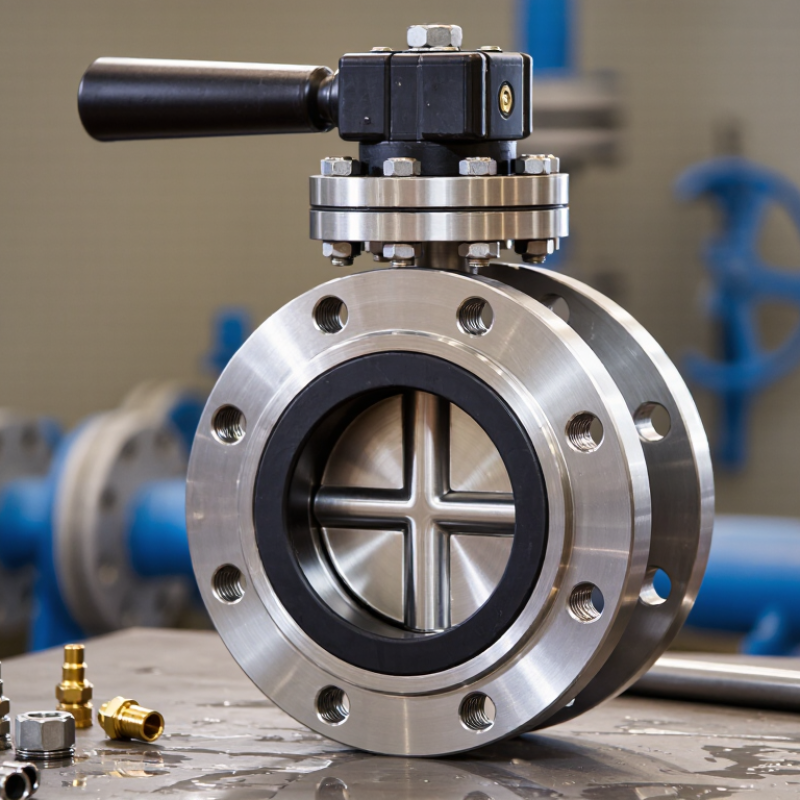
A lugged butterfly valve has threaded inserts around its body, allowing each pipe flange to bolt directly to the valve. The disc turns a quarter-turn to control flow, while the seat seals around its edge. This compact layout can simplify maintenance: one pipe section may be removed without disturbing the other. However, one-sided isolation is safe only when the valve is rated for the actual pressure and service direction. Check the manufacturer’s pressure rating and the applicable API 609 or MSS SP-67 requirements.
During operation, the disc remains in the flow path, even when fully open. Correct sizing matters. A valve that is too small can restrict flow; one that is poorly selected may need excessive actuator torque. The U.S. Department of Energy’s Improving Pumping System Performance sourcebook reports that pumping systems can account for 25–50% of energy use in some industrial facilities. That figure is a reminder to assess the whole system, not just the valve price. Pressure loss, fluid properties, and operating frequency all deserve attention.
Tips: Before installation, check flange alignment, disc clearance, and lug-bolt length. Cycle the valve slowly and confirm the disc moves freely. A detail that is easy to miss: some lugged valves cannot serve as dead-end isolation at full rated pressure. Verify the specific rating rather than assuming.
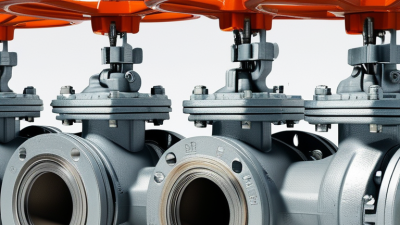
How to Choose a Lugged Butterfly Valve?
Start with the actual operating envelope, not the pipe’s nominal rating. Record normal and peak pressure, fluid temperature, and any pressure surges during pump starts or rapid closure. A valve’s pressure rating can change with body material and temperature; check the manufacturer’s certified pressure-temperature data against the applicable ASME B16.34 requirements. Also confirm whether the valve must isolate one side of the line while the other side remains pressurized. Lugged valves vary in their suitability for this dead-end service. Small details matter. A warm water line and a hot process line may need different seat materials, even at similar pressure.
Flow data matters just as much. Note the required flow rate, fluid viscosity, and acceptable pressure drop, then check the valve’s flow coefficient and operating position. Oversizing can make control less stable, while undersizing may restrict flow. The U.S. Department of Energy’s Improving Pumping System Performance guide reports that pumping systems account for nearly 20 percent of global electricity demand, underscoring why avoidable flow resistance deserves attention. That figure is system-wide, not a prediction of savings from one valve. For a practical check, compare the valve’s expected pressure drop with the pump curve at normal and peak demand. Leave room for uncertainty: real systems rarely operate at one neat design point.
Start with the system’s maximum design pressure and temperature, then verify that the selected valve’s pressure–temperature rating and seat materials suit those conditions. Use the chart as a flow estimate, not as a valve capacity rating.
Flow estimate: Water in a circular pipe with a 102.3 mm internal diameter. Values are calculated from pipe area × velocity; actual flow through a valve also depends on valve size, pressure drop, and system design. Confirm the valve’s pressure rating, temperature limits, materials, and required flow with project specifications.
When choosing a lugged butterfly valve, match the materials to the fluid, temperature, and pressure. The body may use ductile iron, carbon steel, or stainless steel. Ductile iron suits many water services, while stainless steel offers better corrosion resistance. Do not choose by fluid name alone. Concentration, chlorides, suspended solids, and cleaning chemicals can change the result. Confirm compatibility using a current resistance chart and actual operating conditions.
Seat selection directly affects sealing performance and service life. EPDM works well with water, mild chemicals, and many outdoor applications. NBR can suit oil-based fluids, but it may perform poorly with some chemicals and elevated temperatures. PTFE handles aggressive media and higher temperatures, although it can require greater operating torque. Seat ratings vary between manufacturers. Check pressure, temperature, vacuum, and cycling data together.
Disc material also deserves careful attention. Coated ductile iron can provide economical service in clean water systems. Stainless steel discs offer stronger corrosion resistance and are useful in demanding process lines. For abrasive fluids, consider hardened or specialized disc surfaces. I have seen valves selected correctly on paper but fail early because particles damaged the seat. Small details matter. Inspect the disc edge, shaft connection, and coating quality before approval. A lower purchase price may hide higher maintenance costs, so compare expected cycles, accessibility, and replacement conditions.
Choosing a lugged butterfly valve starts with the pipe, not the catalog label. Match the valve’s nominal size to the actual pipe standard and inside diameter; a mismatch can restrict flow or complicate installation. Check the line pressure, temperature, and fluid, too. A valve that fits the flange may still be unsuitable for the service.
Lugged connections use threaded inserts around the valve body, allowing bolts to secure each flange separately. This can help when maintenance requires removing downstream piping, but only if the valve is rated for the intended dead-end pressure. Confirm the flange drilling, bolt length, and available clearance before ordering. Small details matter. A bolt that is too long can interfere with the disc as it turns. It is easy to focus on the connection and overlook that clearance.
Actuation should match both operating conditions and how often the valve moves. A lever handle may suit a small valve opened occasionally; larger sizes or frequent operation may call for a gear operator. For automated service, compare actuator torque with the valve’s requirements at the actual pressure differential, not just nominal line pressure. Consider available air or power, control signals, and the desired position during a supply failure. There is no perfect shortcut here. Recheck the assumptions against the piping drawings and operating data, especially when the valve will control flow rather than simply isolate a line.
How to Choose a Lugged Butterfly Valve?
Check the required standards against the project drawings and operating conditions. Confirm the valve’s pressure rating, temperature range, face-to-face dimensions, and flange bolt pattern. A matching standard designation is useful, but it does not guarantee that every dimension or rating fits your piping system. Small details matter. Review current technical documents, and ask the supplier to clarify any mismatch before installation.
Compatibility depends on the fluid, temperature, and operating cycle. Compare the body, disc, stem, and seat materials with the process media. For example, a seat that performs well with cool water may not suit hot or chemically aggressive service. Check whether the valve is approved for throttling or only on-off duty. Do not assume. Lugged valves can support certain dead-end applications, but only within the manufacturer’s stated pressure limits and installation requirements.
Plan maintenance before selecting the valve. Make sure workers can reach the fasteners, actuator, and inspection points without removing nearby equipment. Confirm how the seat and disc are inspected, and whether replacement parts are available. Keep the required clearance around the stem; a tight handwheel area can turn a simple service task into a delay. One thing is easy to overlook: actual site access may differ from the drawing. A final fit check helps catch that.
© Shipham Valves 2025. All Rights Reserved.
Website By PS Website Design Ltd
Request a Quote/Further Information
Download
We use cookies on this website, by continuing to browse the site you are agreeing to our use of cookies. Find out more.