Essential Valve Solutions Tips for Global Buyers to Consider
In the fast-evolving world of valve solutions, global buyers face numerous challenges. Renowned industry expert Dr. Emily Carter once stated, “The right valve solutions are key to enhancing system efficiency.” This insight underscores the importance of carefully considering the unique needs of each application.
Selecting appropriate valve solutions is crucial for maximizing performance. Buyers must evaluate factors such as material compatibility, pressure ratings, and operational environment. Additionally, understanding suppliers' reliability is essential. In an industry where precision matters, a poor choice can lead to significant setbacks.
As buyers navigate the complexities of valve solutions, the need for comprehensive research becomes apparent. Missteps can occur, particularly when rushing decisions. Every project requires a tailored approach to ensure success. Engaging with knowledgeable suppliers can lead to beneficial partnerships. Thus, the selection of valve solutions must not be taken lightly.
Key Factors for Selecting Valve Solutions in Global Procurement
When selecting valve solutions for global procurement, buyers often face multiple challenges. Understanding the regulatory environment is crucial. Different regions have unique standards and certifications. Familiarity with these can prevent costly mistakes. Poor compliance leads to delays and additional expenses.
Quality is another essential factor. Not all valves are created equal. Buyers should assess materials, manufacturing processes, and durability. Conducting tests on samples can reveal inconsistencies. It is an ongoing learning process to find the right balance between cost and performance.
Additionally, suppliers’ reliability plays a significant role in procurement. Researching vendors’ reputations is vital. Past partnerships can reflect future performance. Engaging with industry forums often provides valuable insights. Even with thorough planning, unexpected issues can arise. Being prepared to adapt is part of successful procurement.
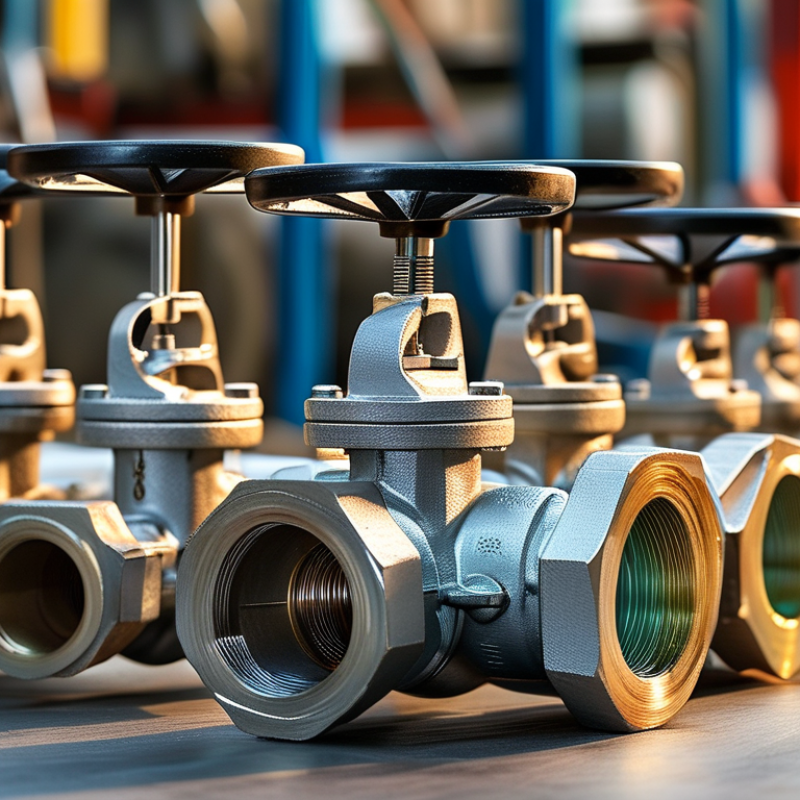
Understanding Valve Types: Ball, Gate, Globe, and Their Applications
When considering valve types, it's essential for global buyers to understand their applications. Ball valves are known for their quarter-turn operation, which provides quick shut off. They handle high flow rates and pressure efficiently. Important reports indicate that ball valves dominate the market due to their reliability and low maintenance needs. In 2021, they accounted for approximately 40% of the global valve market share.
Gate valves, on the other hand, are designed for on/off control rather than flow regulation. They function best in fully open or closed positions, which minimizes pressure loss. According to industry data, gate valves are favorable in high-pressure applications, such as oil and gas. However, their slower operation can be a drawback in dynamic systems. It's key to weigh these operational characteristics against specific project demands.
Globe valves are versatile, offering better throttling capabilities. They allow for precise flow control, yet they can introduce more pressure drop than other types. Statistics reveal that their usage is climbing in various sectors, including water management and processing industries. Despite their advantages, buyers should reflect on their installation complexity and maintenance needs. Balancing these factors is crucial for effective valve selection.
Evaluating Material Compatibility for Valve Performance and Longevity
When selecting valves, evaluating material compatibility is crucial. The right materials enhance both performance and longevity. For instance, in industries like oil and gas, the cost of valve failure can reach millions. Research indicates that about 25% of valve failures stem from poor material choices.
Corrosion resistance is a key factor. Metals like stainless steel and exotic alloys often outperform standard materials in harsh conditions. However, these materials can be costly. That’s where buyers must reflect on budget versus long-term reliability. For example, a lower-cost valve might save money upfront but could lead to increased maintenance costs down the line due to premature failure.
Additionally, temperature and pressure ratings must align with operational standards. A mismatch can lead to catastrophic failures. It's essential for buyers to assess the complete operating environment. A recent study from the Valve Manufacturers Association highlighted that 30% of companies overlook these factors during procurement. Careful material evaluation not only prevents failures but also optimizes performance in demanding applications.
Critical Industry Standards and Certifications for Valve Quality Assurance
When considering valve solutions, buyers must focus on industry standards and certifications. These criteria are essential for ensuring valve quality and performance. Understanding these standards can be complex. Different regions have various requirements. However, compliance with international standards can greatly enhance product reliability.
Certifications like ISO and API are widely recognized. They assess the manufacturing process and product durability. A certified valve often means better materials and workmanship. However, not all products boast such credentials. Buyers should be wary of claims without proof. Authentic certification derives from rigorous testing and compliance.
Notably, standards also evolve. What was acceptable yesterday might not hold today. Staying updated can be a challenge for global buyers. It demands continuous learning and adaptation. Recognizing the importance of these certifications can lead to better purchasing decisions. It is where knowledge meets real-world application, enhancing overall industry trust.
Cost-Benefit Analysis: Balancing Price and Performance in Valve Sourcing
When sourcing valves globally, a cost-benefit analysis is crucial. It helps buyers assess both price and performance. According to the Global Industrial Valves Market report, around 70% of procurement professionals prioritize performance over cost. However, this raises questions about the balance between value and budget.
Consider this tip: always evaluate total cost of ownership (TCO) alongside the initial purchase price. TCO includes maintenance and operation costs, often overshadowed by upfront expenses. For instance, high-quality valves may have a higher initial price but offer significantly lower maintenance costs, leading to savings over time.
Another tip is to conduct supplier evaluations. Assess their reliability and quality certifications. Studies show that 65% of valve failure cases result from inadequate quality control. Ensuring suppliers meet industry standards mitigates risks, even if costs are slightly higher. Relying solely on price can lead to unintended expenses later. Addressing these considerations leads to a more informed sourcing decision.