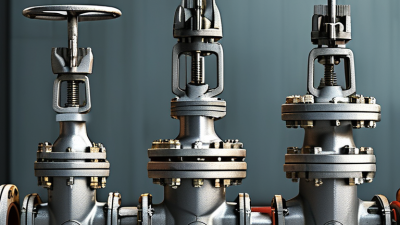
What Is a Fire Valve and How Does It Work?
A fire valve may look like a compact wheel, lever, or metal assembly in a plant room, yet it helps control how water reaches a fire-protection system. In simple terms, it opens, closes, or regulates flow. Its exact role depends on the system design: a control valve isolates a section for maintenance, while an alarm valve can admit water and trigger an alarm when sprinklers operate. That distinction matters. A valve left shut can leave a protected area without water.
NFPA’s report, U.S. Experience with Sprinklers, by fire researcher John R. Hall Jr., found that sprinklers operated in 92 percent of fires large enough to activate them and were effective in 96 percent of those cases. Hall’s report states: “Sprinklers operated in 92 percent of fires large enough to activate them and were effective in 96 percent of those fires.” These figures concern sprinkler performance, not fire valves alone. Still, they show why valves, water supply, inspection, and maintenance must work together. One small handle matters.
Understanding how a fire valve works means following the water path: from the supply, through the valve, and into the system’s pipes. In a wet-pipe sprinkler system, the pipes are already filled with water; a control valve normally stays open, allowing flow when a sprinkler head activates. Other systems work differently, so the valve type and its position should be confirmed against the equipment’s documentation. A label can be faded. A gauge can look normal. Neither proves the whole system is ready. The details deserve a second look.
Definition and Purpose of a Fire Valve
A fire valve is a mechanical device installed in a fire-protection water line. It controls, directs, or stops water flowing to sprinklers, standpipes, or hose connections. Its precise role depends on the valve type and system layout. A gate valve can isolate a pipe section for maintenance, while a check valve helps prevent reverse flow. Some assemblies also signal when water moves. Small component, important job.
The purpose of a fire valve is to help keep water available where fire-protection equipment needs it. In normal conditions, a supervised control valve is kept in its required position, often open. During a fire, sprinkler heads respond to heat; the valve usually does not detect flames itself. Instead, it allows or manages water flow, while other devices may monitor pressure or signal operation. That distinction is easy to miss.
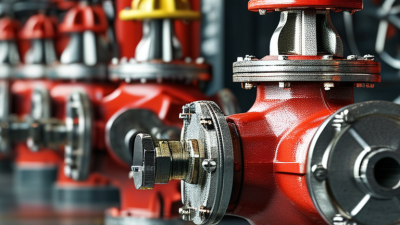
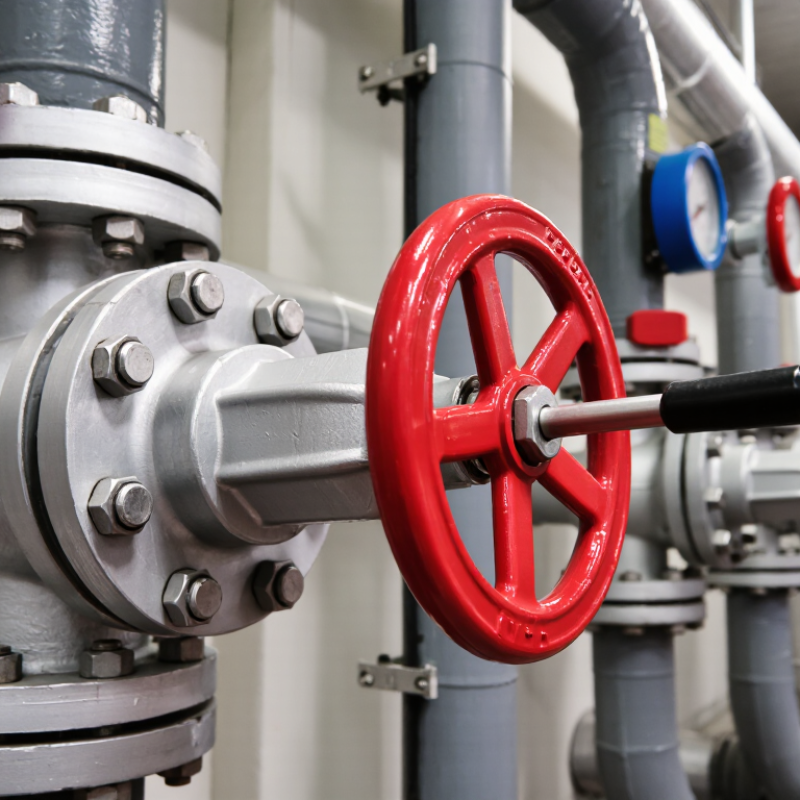
During an inspection, a technician may check the valve’s position indicator, look for leaks, and make sure access is clear. A stiff handwheel or blocked access can complicate maintenance. Exact checks vary by valve design and system specifications. Not every red-painted valve has the same function; markings and system plans help identify its role.
Key Components and Common Types of Fire Valves
What Is a Fire Valve and How Does It Work?
Key Components and Common Types of Fire Valves
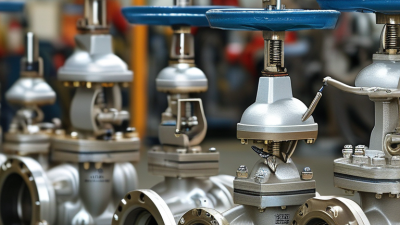
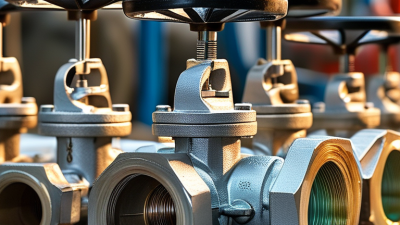
A fire valve controls water flow in a fire protection system. Its body contains a moving disc or gate that opens or closes against a seat. A stem connects this part to a handwheel or actuator. Small parts matter. Seals help limit leakage, while gauges and test connections let technicians check pressure and operation. Some valves also have supervisory switches that signal when a control valve has been moved from its normal position.
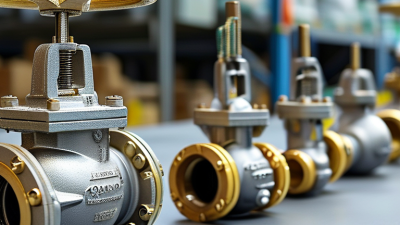
Common types serve different systems. A sprinkler control valve isolates a section of piping for inspection or repair. A check valve allows water to flow one way and helps prevent backflow. Dry-pipe systems use a specialized valve to hold water back until air pressure drops, while deluge valves release water into open sprinklers after a detection system activates. Pressure-reducing valves help control excessive downstream pressure. Selection depends on system design, water supply, and operating conditions.
Installation details can change how a valve performs. Technicians should confirm its flow direction, pressure rating, and access for routine testing. A neat diagram may hide a tight ceiling space or an awkward drain connection. Those details are easy to overlook, and they deserve a second look. Fire protection systems should be inspected and maintained by qualified personnel.
How a Fire Valve Detects Heat and Stops Fuel Flow
A fire valve is designed to stop fuel from feeding a fire when nearby heat reaches a set level. It may protect a burner, fuel line, or piece of equipment. The exact design varies, so the valve’s instructions matter.
In a common heat-activated design, a fusible element holds the valve open. If flames or intense heat warm it enough, the element softens or melts. A spring or other closing mechanism then shuts the valve. In other designs, a heat-sensitive component expands and triggers closure. The key point is that heat activates the mechanism; the valve does not need someone to reach it by hand. Fuel flow stops.
Picture a small metal link near a burner turning dull and then releasing. That action can cut off the fuel supply, limiting the fire’s fuel source. It does not cool hot surfaces or guarantee that a fire goes out. Not every valve responds in the same way, and poor placement may delay heat detection. A detail worth checking twice. Correct installation, compatible fuel, and routine inspection help ensure the valve can operate when needed. A qualified technician can verify the setup and test it according to the equipment instructions.
What Is a Fire Valve and How Does It Work?
A fire valve uses a heat-sensitive element to trigger shutoff. When the element reaches its rated activation temperature, the valve closes and stops fuel flow.
How to read this chart: Fuel flow is shown relative to normal operation. The 100% and 0% values illustrate the valve’s open and shutoff states, not measured performance. Activation temperatures vary by valve model and rating.
Where Fire Valves Are Used in Building Systems
Fire valves are installed at key points in a building’s water-based fire-protection system. In sprinkler systems, control valves commonly sit near the main riser, at floor-level zone assemblies, and along supply branches. They let trained personnel isolate a section for repair without shutting down every protected area. Check valves prevent reverse flow, while pressure-reducing valves help manage high pressure in taller buildings. Standpipe systems also use valves at hose connections, often inside stairwells, so firefighters can connect hoses on different floors.
Placement affects response and maintenance. A valve hidden behind stored supplies or locked inside an inaccessible room can delay inspection or repair. Small details matter. NFPA’s 2021 report, U.S. Experience with Sprinklers, found sprinklers operated in 92% of fires large enough to activate them, where sprinklers were present. When they operated, they were effective in 96% of cases. These figures describe sprinkler performance, not valve performance, but they underline why reliable water delivery and accessible controls matter.
In practice, the drawings do not always match the room. Renovations may alter access, labels can fade, and a closed valve may go unnoticed unless inspections verify its position. Fire pumps, water-service entries, risers, and floor control assemblies are useful points to identify during a walkthrough. Access matters. Exact valve arrangements depend on the system design, building height, and applicable fire-protection standards.
Installation, Inspection, and Maintenance Requirements
What Is a Fire Valve and How Does It Work?
A fire valve controls water flow through a sprinkler or standpipe system. Some valves isolate a section; others regulate pressure or trigger an alarm as water moves. Correct installation matters. A valve fitted backward, blocked by stored items, or left partly closed can delay protection when seconds count.
A qualified fire protection professional should install valves to approved plans and applicable fire codes. Check the flow arrow, access clearance, pipe support, and any required supervisory switch. During inspections, verify the valve’s position, seals or locks, labels, and surrounding area. Look for leaks, corrosion, and signs of impact. Small details matter. Inspection and testing schedules depend on local requirements and the system design, so confirm the applicable schedule rather than relying on memory. A clean-looking valve is not proof that its alarm connection works.
Tips: Keep valves visible and accessible. Record inspection dates and defects, even minor ones. If a valve must be closed for repair, coordinate the impairment with the responsible building team, follow site procedures, and confirm the system is restored afterward. It is easy to assume a handle is fully open; verify its position and supervisory signal instead.