China Best 2 Inch Butterfly Valve Manufacturers

Choosing among China’s leading 2-inch butterfly valve manufacturers takes more than comparing prices. Buyers searching for “2 butterfly valve” usually mean a two-inch valve, but connection style and operating conditions still need confirmation. The right product depends on the media, pressure, temperature, and available installation space. A water line and a process line may need different disc and seat materials. Details matter. Ask manufacturers for dimensional drawings, material specifications, pressure ratings, and inspection records. These documents help buyers compare products on consistent terms rather than relying on brief catalog descriptions.

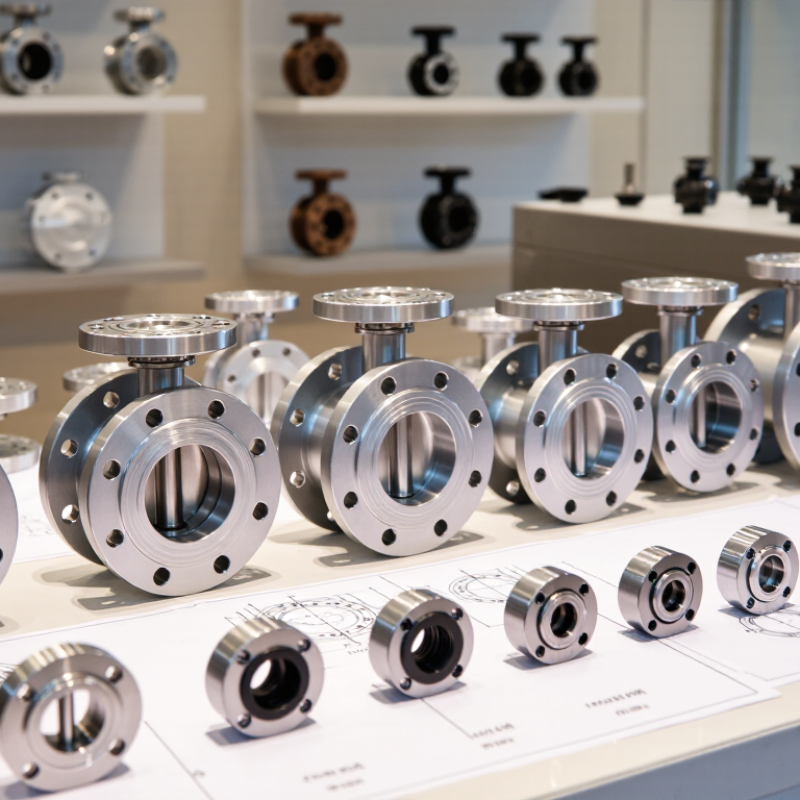
A useful supplier review also looks at manufacturing capability, quality-control procedures, customization options, and communication during technical discussions. Check whether the stated standards and test methods match the intended application, and confirm lead times before placing an order. Photos of a polished factory are helpful, but they cannot replace traceable test reports or clear product data. No shortlist is perfect. Specifications can vary between models, and product pages may leave important details unclear. Requesting written confirmation can prevent avoidable mismatches. This guide introduces factors for evaluating Chinese butterfly valve manufacturers and identifying suppliers that can explain their products clearly. The final choice should fit the actual system, not just the headline price.
China Best 2 Inch Butterfly Valve Manufacturers

What Is a 2-Inch Butterfly Valve?

A 2-inch butterfly valve is a quarter-turn device sized for a nominal 2-inch pipeline. Its circular disc rotates inside the flow path: a quarter turn opens or closes the line. The disc remains in the pipe, so it can restrict flow even when fully open. “Two inch” describes the nominal connection size, not necessarily the valve’s exact internal bore. That distinction matters. Wafer, lug, and flanged bodies also differ in installation and maintenance access.

In practical selection, check the pipe standard, face-to-face dimensions, pressure rating, and fluid compatibility. A valve that fits the line may still have an unsuitable seat or disc material. Butterfly valves can regulate flow in some services, but they are not automatically precise control valves. The U.S. Department of Energy’s 2014 Improving Pumping System Performance sourcebook reports that pumping systems use nearly 20% of global electricity demand, and 25–50% of energy in some industrial operations. This makes pressure loss and valve sizing worth examining, not guessing. Fit matters. Even a small installation mismatch can create leaks, awkward actuator clearance, or extra resistance; confirming the system details is less exciting, but safer.
How 2-Inch Butterfly Valves Work and Where They Are Used

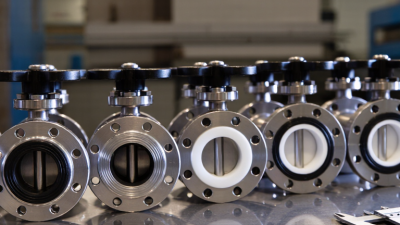
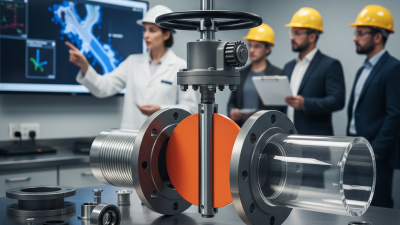
A 2-inch butterfly valve controls flow with a circular disc mounted inside the pipe. Turn the handle about a quarter-turn, and the disc moves from open to closed. At full opening, it sits across the flow path, so it still creates some resistance. Simple, but not frictionless. The actual bore may differ from the nominal 2-inch size, and disc position affects flow. For technicians, that matters when balancing an HVAC branch or adjusting irrigation lines.

These valves are common in water distribution, building services, and light industrial piping. The U.S. Environmental Protection Agency’s 2023 Seventh Drinking Water Infrastructure Needs Survey estimates $625 billion in drinking-water infrastructure needs over 20 years. That figure is not a valve-market forecast, but it shows the scale of systems where dependable isolation matters. Check the medium, temperature, pressure rating, and pipe connection before choosing a valve. A small mismatch in seat material can cause leakage or faster wear. A compact body can also make installation easier in a crowded plant room, though access for maintenance is sometimes overlooked. No valve is “best” without its operating conditions.

Common Types and Materials of 2-Inch Butterfly Valves

Common Types and Materials of 2-Inch Butterfly Valves

A 2-inch butterfly valve uses a rotating disc to control flow in compact piping. Common body styles include wafer, lug, and flanged designs. Wafer valves fit between pipe flanges and save space. Lug designs allow some systems to remove downstream piping while keeping the upstream side connected. That detail matters during maintenance. Size is not enough. Check the pipe standard, pressure rating, and installation clearance before selecting a valve.

Material choice depends on the fluid, temperature, and operating conditions. Ductile iron bodies are common in water service, while carbon steel suits many general industrial applications. Stainless steel can offer better resistance to some corrosive fluids. Seat materials also affect performance: EPDM is often used for water, NBR for certain oils, and PTFE where broader chemical resistance is needed. Compatibility must be checked against the actual fluid, not guessed from its name.

Corrosion deserves careful attention. The NACE IMPACT study estimated that corrosion costs the global economy US$2.5 trillion annually, based on 2013 data and published in 2016. That figure covers many industries, not butterfly valves alone, but it shows why material selection matters. A common oversimplification is choosing the strongest-looking metal. In practice, seat wear, fluid chemistry, and temperature can matter just as much. Verify the manufacturer’s technical data for the specific service conditions.

China Best 2 Inch Butterfly Valve Manufacturers – Common Types and Materials of 2-Inch Butterfly Valves

Butterfly valve bodies are commonly made from ductile iron, carbon steel, stainless steel, or PVC-U. The chart compares their representative material densities in grams per cubic centimeter; actual values vary by grade and formulation. Density alone does not determine valve suitability.

Overview of China’s 2-Inch Butterfly Valve Manufacturers

China’s 2-inch butterfly valve manufacturers serve water treatment, building services, and light industrial applications. Their product ranges often include wafer, lug, and flanged designs, with manual handles or geared and actuated options. A two-inch connection sounds simple, but actual dimensions and pressure ratings can vary. Buyers should check drawings and technical data rather than relying on nominal size alone.

Material choices shape performance. Ductile iron bodies are common, while stainless steel may suit more demanding environments. Disc and seat materials also matter, especially where temperature, fluid compatibility, or frequent operation is involved. Ask for documented pressure tests, material specifications, and inspection records. Good details matter. A practical supplier should explain operating limits clearly and respond to questions with traceable information. Samples can help assess finish and fit, though one sample cannot prove consistent production quality. That is easy to overlook. Before comparing prices, confirm the required connection standard, face-to-face dimensions, and actuator interface. China’s manufacturing sector is broad, so capabilities and quality controls differ from one factory to another. A careful review is more useful than assuming every offer is equivalent.

China Best 2 Inch Butterfly Valve Manufacturers - Overview of China’s 2-Inch Butterfly Valve Manufacturers
Evaluation Dimension Common Industry Options or Reference What Buyers Should Verify
Nominal size 2-inch valves are generally designated NPS 2 and correspond to DN 50 nominal size. Confirm the nominal size, pipe outside diameter, and connection dimensions required by the project.
Valve configuration Common butterfly valve body styles include wafer, lug, and flanged designs. Check the mating flange standard, installation space, and whether the valve must support end-of-line service.
Body materials Common choices include cast iron, ductile iron, carbon steel, and stainless steel. Select materials based on the fluid, operating temperature, pressure, corrosion conditions, and applicable project specification.
Disc and stem materials Discs may be available in materials such as ductile iron or stainless steel; stem material and construction vary by design. Request material details and confirm compatibility with the process medium and expected operating conditions.
Seat and sealing options Resilient seats commonly use elastomers such as EPDM or NBR; other seat designs and materials may be offered for specific services. Verify the seat material’s compatibility with the fluid, temperature range, and required shutoff performance.
Pressure and temperature ratings Ratings vary with valve design, material, seat, and applicable standard; there is no single rating for every 2-inch butterfly valve. Compare the manufacturer’s published pressure-temperature limits with the system design conditions.
Design and face-to-face standards API 609 and EN 593 are commonly referenced butterfly valve design standards. Face-to-face dimensions may follow standards such as API 609 or EN 558. Confirm the exact standard and edition specified, along with the required face-to-face dimension series.
Testing and inspection API 598 and ISO 5208 are commonly used valve inspection and pressure-testing references. Request the applicable test procedure, inspection records, and documentation required for the order.
Actuation Typical operating options include a lever or gearbox for manual operation, and pneumatic or electric actuators for automated operation. Check operating torque, control requirements, actuator supply, mounting interface, and fail-safe requirements where applicable.
Manufacturer capability Manufacturers may differ in available materials, configurations, production processes, inspection scope, and export documentation. Evaluate technical compliance, quality records, traceability, sampling or inspection arrangements, and delivery requirements.
Options and standards are application-dependent. Confirm final specifications with the manufacturer and the project’s governing documents.

How to Evaluate and Select a Chinese Manufacturer

When evaluating a Chinese manufacturer of 2-inch butterfly valves, begin with the service conditions, not the catalog price. A 2-inch valve is commonly identified as DN50, but that label does not confirm its bore, face-to-face dimensions, or flange compatibility. Specify the medium, operating temperature, pressure, and cycling frequency. Then check whether the body, disc, stem, and seat materials suit those conditions. Details matter.

The ISO Survey 2022 recorded about 397,825 ISO 9001 certificates in China. This industry data offers context, not proof that a particular valve is reliable. Ask for a current certificate and verify its scope and issuing body. Request material certificates, dimensional drawings, pressure-test records, and batch traceability. A polished factory video is not enough. I may be overly cautious, but paperwork should match the actual production site and product.

For a DN50 sample, inspect the seat for cuts or uneven contact, and operate the valve through several full cycles. Ask how the maker controls disc alignment, stem retention, and operating torque. Request test procedures tied to recognized standards, such as API 598 or EN 12266, where applicable. Compare the test pressure and acceptance criteria with your specification. A low quotation can still be costly if replacement parts, lead times, or test evidence are unclear.

Request a Quote/Further Information

    Download