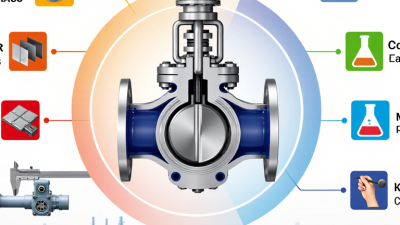
China Top 10 2 Inch Butterfly Valve Manufacturers

Choosing a 2-inch butterfly valve often comes down to details that are easy to overlook: body material, seat design, pressure rating, and connection type. A compact valve may look straightforward on a catalog page, yet its performance depends on the fluid, operating temperature, and frequency of use. For buyers comparing China-based suppliers, these specifications matter more than broad claims about quality.

This guide introduces ten manufacturers of 2-inch butterfly valves and offers practical points for evaluating their products. It considers available materials, manufacturing capabilities, customization options, documentation, and communication with overseas customers. A clear datasheet, for example, should identify the valve’s dimensions, materials, pressure limits, and applicable test information. Ask for details. A product photo alone cannot confirm whether a valve suits a particular pipeline.

The “top 10” label is a starting point, not a universal ranking. Supplier suitability can change with project requirements, order volume, and after-sales support. Verify current specifications directly with each manufacturer, and request samples or test records when appropriate. Some details may remain unclear until you ask. That is worth noting. Careful comparison helps buyers shortlist suppliers without treating marketing language as proof of performance.
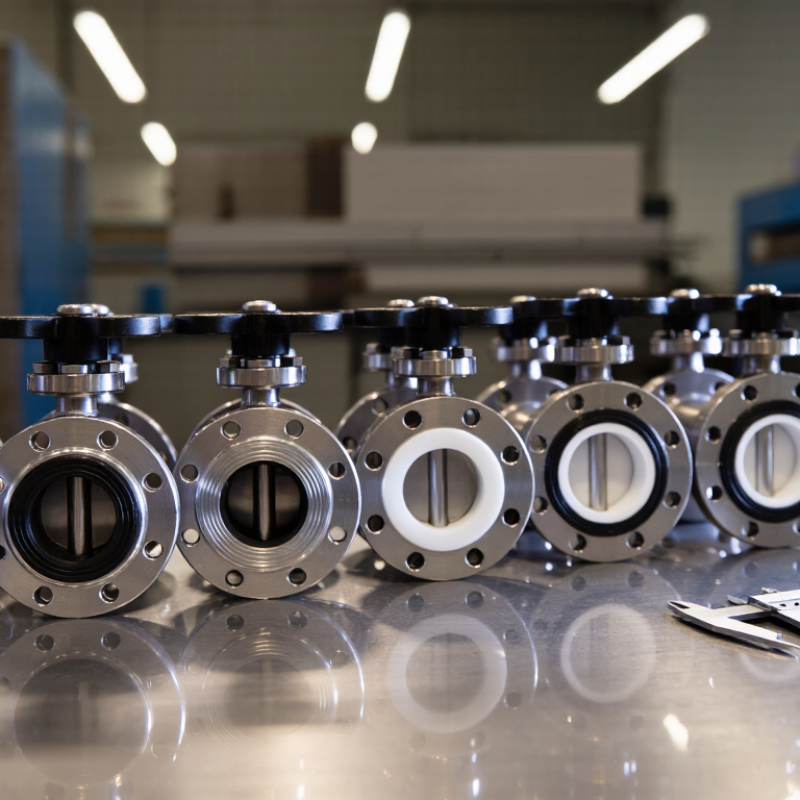
China Top 10 2 Inch Butterfly Valve Manufacturers

What Is a 2-Inch Butterfly Valve?

What Is a 2-Inch Butterfly Valve?

A 2-inch butterfly valve is a quarter-turn valve designed for piping with a nominal size of two inches, often called DN50. Inside its body, a circular disc turns on a stem. When the disc lies across the pipe, it restricts flow; when rotated about 90 degrees, it opens a passage. The handle or actuator controls this movement.

These valves are commonly used to isolate or regulate water, air, and compatible process fluids. Their compact body can fit where a larger gate valve may be awkward. Yet a two-inch label does not confirm every connection dimension. Pipe outside diameter, flange pattern, pressure rating, and installation style can vary. The disc also remains in the flow path when open, so it may create some pressure loss. A small detail, but worth checking.

Tips: Confirm the pipe standard, operating pressure, temperature, and fluid compatibility before selecting a valve. Check whether the line needs a wafer, lug, or flanged body, and verify the seat material against the service conditions. I treat nominal size as a starting point, not the whole specification.

China Top 10 2 Inch Butterfly Valve Manufacturers - What Is a 2-Inch Butterfly Valve?

Topic Typical Information What Buyers Should Check
Definition A butterfly valve uses a rotating disc to regulate or shut off flow. A 2-inch valve is generally identified as NPS 2, corresponding to DN 50. Confirm the nominal size and connection dimensions against the piping specification.
Pipe-size reference NPS 2 steel pipe has a standard outside diameter of 2.375 in (60.3 mm); its inside diameter varies with pipe schedule. Do not treat the valve’s nominal size as its exact bore or the pipe’s inside diameter.
Common body styles Wafer, lug, and flanged designs are commonly available. Connection style affects installation and the piping arrangement. Check flange compatibility, bolt pattern, face-to-face dimensions, and whether the valve must provide end-of-line service.
Typical construction materials Bodies may be made from ductile iron, cast iron, carbon steel, or stainless steel. Disc and seat materials vary by design and service. Select materials for the fluid, temperature, pressure, corrosion exposure, and applicable safety requirements.
Seat options Resilient seats are common in general-purpose service; other seat designs may be used for higher temperatures or more demanding conditions. Verify chemical compatibility, temperature limits, shutoff requirements, and the manufacturer’s stated leakage class.
Operation A lever is common for manual operation; gear operators and electric or pneumatic actuators can be used where operating force or automation requires them. Check operating torque, available space, control signals, fail position, and cycle frequency.
Pressure and temperature Allowable pressure and temperature depend on the valve design, materials, seat, and rating; they are not determined by the 2-inch size alone. Use the product’s pressure-temperature rating and account for system operating and test conditions.
Design and testing references API 609 and EN 593 are recognized butterfly-valve design standards. API 598 and ISO 5208 cover valve inspection and pressure testing. Confirm the specified edition, applicable valve category, test requirements, and documentation with the supplier.
Common applications Depending on its materials and rating, a 2-inch butterfly valve may be used in water, HVAC, industrial process, or utility piping. Confirm suitability for the actual medium, including solids, abrasiveness, sanitation, and regulatory needs.
Supplier comparison A useful comparison covers verified specifications, manufacturing quality controls, inspection records, traceability, and after-sales support—not a size label alone. Request dimensional drawings, material certificates where required, pressure-test records, and written confirmation of the operating limits.

Note: This table is a general selection guide, not a ranked list of manufacturers. Actual dimensions, ratings, materials, and test options vary by valve design and supplier.
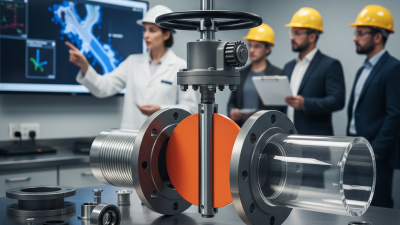
How to Assess Chinese Butterfly Valve Manufacturers

Assessing a Chinese 2-inch butterfly valve manufacturer starts with the actual duty, not a catalog photo. Share the medium, temperature, pressure, connection type, and operating frequency. Ask which body, disc, stem, and seat materials suit those conditions. A capable supplier should explain trade-offs clearly, including corrosion risks and maintenance needs. Request drawings, dimensional tolerances, pressure-test procedures, and leakage results for the exact quoted configuration. Check whether samples match production parts. Small differences matter.

Review how the factory controls quality at each stage. Ask how incoming materials, machining, assembly, and final testing are recorded. Request recent inspection reports and a traceability example linked to a production batch. Verify certificates and confirm that their scope covers the product and facility in question. Paperwork can look perfect, but it cannot replace a process check. If practical, visit the production line or arrange an independent pre-shipment inspection. Compare quotations line by line, including material grades, actuators, accessories, testing, packaging, and delivery terms. Ask customers with similar applications how defects were handled. A missed detail is easy. I would not choose on price alone; even a careful checklist can miss real-world fit.

China’s Top 10 2-Inch Butterfly Valve Manufacturers

China’s Top 10 2-Inch Butterfly Valve Manufacturers reflects a broad industrial market, not a universal ranking. Chinese manufacturers supply compact valves for water treatment, HVAC, light processing, and general pipeline service. A two-inch valve may look simple on a bench, yet its performance depends on disc alignment, seat material, shaft finish, and careful assembly.

When comparing suppliers, check more than catalogue dimensions. Ask for pressure and temperature ratings, body and disc material options, face-to-face dimensions, and documented leakage-test procedures. A useful evaluation includes traceable inspection records and clear answers about coatings, seat replacement, and spare-part availability. Details matter. If possible, review a sample or inspect production and testing equipment before placing a large order.

The best fit depends on the actual service conditions. A valve used on clean cooling water may need different materials from one exposed to abrasive particles or frequent cycling. Confirm the connection standard and actuator interface, too; small mismatches can delay installation. Not every specification sheet tells the full story. Some suppliers present broad claims without explaining test conditions, so request evidence and compare like with like. Even a strong manufacturer can be a poor match if communication, lead time, or after-sales support falls short. A shortlist of ten is a starting point, not a substitute for technical checks.

2-Inch Butterfly Valves: Nominal Size Reference

This chart compares 2 inches converted exactly to millimeters (50.8 mm) with the DN50 nominal designation (50 mm). DN is a nominal designation, not an exact conversion or a measurement of the valve’s internal bore. Actual dimensions vary by valve design and applicable standard. This is a size reference, not a manufacturer ranking.

Products and Capabilities of the Featured Manufacturers

Two-inch butterfly valves are compact, but their service conditions still matter. Featured manufacturers commonly offer wafer and lug-style bodies for different piping layouts. Typical options include ductile iron, cast iron, stainless steel, and resilient or PTFE seats. Each choice affects corrosion resistance, shutoff performance, and temperature suitability. Small, but important.

Product capabilities may extend beyond basic sizing. Some manufacturers provide manual levers, gear operators, or pneumatic and electric actuation. Buyers should check whether the disc and seat materials suit the actual fluid, not just the pipe size. Ask for pressure ratings, operating-temperature limits, face-to-face dimensions, and test documentation. These details help prevent installation delays and premature wear. Fit still matters.

Manufacturing capability is more than a broad product catalog. Useful evidence includes material traceability, dimensional inspection, pressure testing, and consistent seat assembly. Request drawings and certificates for the specific valve configuration. A polished brochure is not enough. I would also compare lead times and spare-part availability, since these are easy to overlook during selection. Published specifications can vary by model, so confirm them directly before ordering.

How to Choose a Manufacturer for Your Application

Choosing a 2-inch butterfly valve starts with the process, not the catalogue. Confirm the pipe standard, pressure range, temperature, and fluid composition. A valve carrying clean water may need different seat and disc materials from one handling abrasive slurry. Check whether the line needs isolation or throttling; not every butterfly valve suits continuous flow control. Small details matter. A mismatched elastomer can swell, leak, or wear early.

The U.S. EPA’s 2023 Drinking Water Infrastructure Needs Survey and Assessment estimates $625 billion in drinking-water infrastructure needs over 20 years. That scale makes lifecycle cost worth checking alongside purchase price. Ask manufacturers for pressure-test records, material traceability, applicable API 609 compliance, and actuator torque data. Compare face-to-face dimensions and the full assembly, too. A low quote can omit useful evidence.

Tips: Send the same duty conditions to each supplier. Request written confirmation of media compatibility, operating limits, and warranty terms. Check how spare seats and discs will be sourced. A neat datasheet helps, but it cannot replace application-specific review. I would still verify the details before approving the valve.

Request a Quote/Further Information

    Download