Why Do Global Buyers Choose Trusted Valve Vendors?

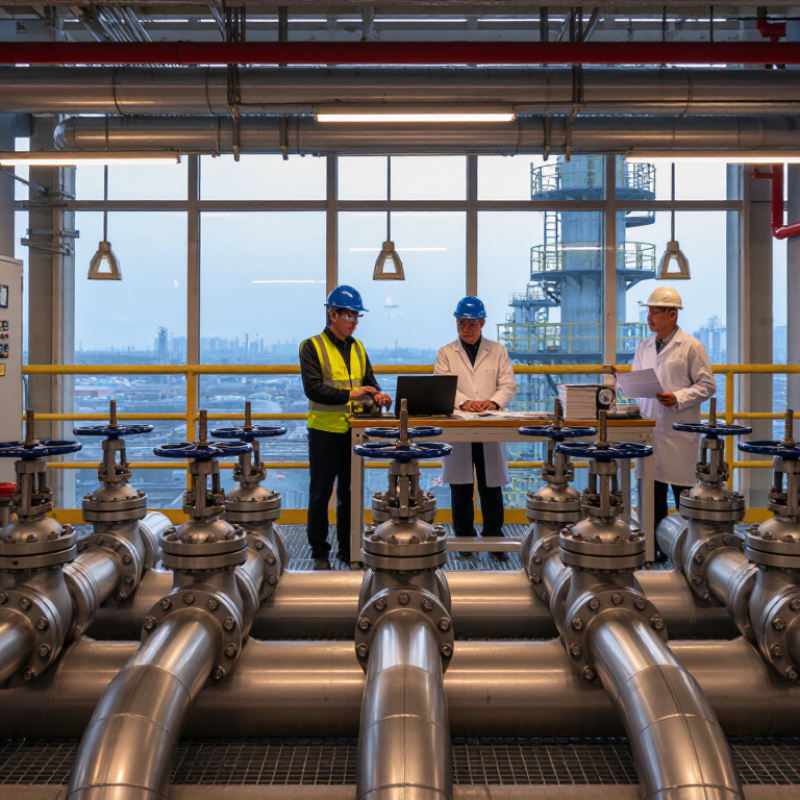
When a process line runs beneath a refinery floor, a valve failure is rarely a small inconvenience. It can stop production, damage equipment, and expose workers to serious operational risks. For this reason, global buyers do not choose valve vendors by price alone. They examine manufacturing discipline, testing records, technical support, and delivery consistency.

Philip L. Skousen, author of the widely referenced Valve Handbook, states, “A valve is only as good as its application.” This practical view explains why experienced buyers ask difficult questions before placing an order. Can the supplier match the valve material to the fluid? Does every unit receive pressure and leakage testing? Are certificates traceable to a specific batch? Trusted valve vendors answer these questions with evidence, not attractive promises.

Their value becomes clearer during demanding projects. A buyer may need stainless steel valves for corrosive service, control valves with stable response, or replacement parts within a narrow shutdown window. Reliable suppliers provide drawings, inspection reports, realistic lead times, and engineers who understand field conditions. They also admit limits. That matters.

Trust is not created by polished websites. It grows through repeatable quality, honest communication, and documented performance. Still, no supplier is perfect. Buyers should verify claims, compare test standards, and review past project results. A famous name can disappoint. A smaller vendor may perform exceptionally well.

This guide explores the practical reasons global companies prefer trusted valve vendors, from technical competence to after-sales responsibility. Their choice protects more than a purchase order. It protects process stability, project schedules, and long-term operating confidence.

Why Do Global Buyers Choose Trusted Valve Vendors?

What Defines a Trusted Valve Vendor?

A trusted valve vendor is defined by evidence, not polished promises. Global buyers need clear specifications, verified materials, and consistent communication. A serious supplier can explain pressure ratings, temperature limits, connection types, and suitable media. They should also provide test records, material certificates, and traceable production details.

Practical experience matters when applications become complicated. A qualified vendor asks about pipeline conditions, installation space, maintenance access, and operating cycles. They do not simply recommend the most expensive valve. Their engineers should identify risks such as corrosion, cavitation, leakage, or incorrect sizing. Small details matter. A mismatched gasket can delay an entire project.

Reliability appears before and after delivery. Accurate lead times, secure packaging, export documents, and responsive technical support all deserve attention. A trusted vendor also admits uncertainty when data is incomplete. That honesty builds credibility. No supplier gets every detail right. However, responsible vendors correct mistakes quickly and record the lessons. Buyers should review inspection procedures, after-sales response times, and references from similar applications. A low price may look attractive, but unclear testing or weak support can create higher costs later.

Why Do Global Buyers Choose Trusted Valve Vendors? - What Defines a Trusted Valve Vendor?

Key verification dimensions used by international buyers when evaluating industrial valve vendors.

Evaluation Dimension What Global Buyers Verify Recognized Evidence or Standard Why It Defines Trust Buyer Priority
Quality Management Documented quality procedures, inspection records, corrective-action processes, and controlled production documentation. ISO 9001 certification issued by an accredited certification body; internal audit and nonconformance records. Shows that quality control is managed as a repeatable system rather than relying only on final inspection. Very High
Product Design Compliance Valve design, pressure-temperature ratings, materials, dimensions, and end connections matched to the project specification. Applicable requirements may include ASME B16.34, API 6D, EN 12516, or the purchaser’s stated specification. Reduces the risk of dimensional incompatibility, rating errors, and unsafe operation in the intended service. Very High
Pressure and Functional Testing Shell tests, seat tests, leakage limits, test medium, test duration, and calibrated test equipment. API 598 or ISO 5208 test procedures, supported by signed inspection and test records. Provides objective evidence that the valve has been tested for pressure integrity and required shutoff performance. Very High
Material Traceability Heat numbers, component identification, material grades, and traceable links between raw materials and finished valves. EN 10204 Type 3.1 inspection certificates, material test reports, and component traceability records. Helps verify that pressure-retaining parts match the approved material specification and service conditions. Very High
Materials for Corrosive Service Material selection, hardness control, heat treatment, and compatibility with sour or corrosive environments. NACE MR0175/ISO 15156 where applicable; approved material certificates and hardness records. Supports resistance to sulfide stress cracking and other service-related material failures when the standard applies. High
Inspection and Documentation Availability, accuracy, and completeness of drawings, datasheets, inspection plans, test reports, and final dossiers. Approved inspection and test plan, quality dossier, dimensional reports, coating records, and certificates of conformity. Clear documentation simplifies project approval, customs processing, installation, and future maintenance. High
Delivery Reliability Confirmed lead time, production milestones, order status updates, packaging controls, and export readiness. Written delivery schedule, production progress reports, packing lists, export documents, and shipment records. Reduces project delays caused by unclear schedules, incomplete shipments, or inadequate export preparation. High
Global Communication Ability to interpret international specifications, communicate technical deviations, and respond with clear commercial documentation. Approved technical submittals, deviation lists, drawing registers, documented correspondence, and multilingual support where required. Prevents misunderstandings between engineering, procurement, inspection, logistics, and end-user teams. Medium–High
After-Sales Support Availability of spare parts, maintenance instructions, warranty terms, technical troubleshooting, and service response procedures. Operation and maintenance manuals, spare-parts lists, warranty conditions, and documented service channels. Improves maintainability and helps reduce downtime throughout the valve’s operating life. Medium–High
Ethical and Commercial Transparency Clear scope of supply, truthful specifications, transparent exclusions, realistic lead times, and formal handling of changes or claims. Detailed quotations, signed purchase documents, change-control records, warranty clauses, and verifiable compliance declarations. Builds confidence that commercial commitments and technical statements can be audited and relied upon. High
Practical conclusion: Global buyers typically trust valve vendors that can demonstrate consistent product conformity, verifiable testing, complete traceability, reliable delivery control, and responsive technical support with documented evidence.

How Trusted Vendors Ensure Valve Quality and Compliance

Global buyers choose trusted valve vendors because quality must survive beyond a factory inspection.
Reliable vendors control each stage, from material selection to final documentation. They verify pressure ratings, temperature limits, sealing performance, and corrosion resistance against project specifications. A practical quality plan names inspection points before production starts. It also identifies who approves deviations.

Small details matter.

For critical valves, traceability begins with the steel heat number.
Inspectors may compare markings, material certificates, and positive material identification results. Hydrostatic and pneumatic tests should follow approved procedures, calibrated instruments, and recorded acceptance criteria.

During factory acceptance testing, operators check leakage, actuator travel, emergency operation, and packaging condition. Photographs can support records, but they cannot replace witnessed testing.

Compliance is more than attaching a familiar certificate to a shipment. A capable vendor maps valve designs to relevant standards, contract requirements, and destination regulations. These may include API 6D, ASME B16.34, or EN 12266, when applicable. Documents should match actual serial numbers, materials, test pressures, and revision levels.

One missed marking can delay customs clearance or complicate field maintenance. No process is flawless. A thoughtful vendor admits uncertainty, investigates nonconformities, and improves the inspection plan instead of hiding problems. That honesty is often the clearest evidence of reliability.

Why Global Buyers Prioritize Reliable Supply Chains

Why Do Global Buyers Choose Trusted Valve Vendors?

Global buyers prioritize reliable supply chains because a valve rarely travels alone. It moves through mills, machining shops, testing facilities, ports, and customs checkpoints. UNCTAD’s Review of Maritime Transport 2024 reports that shipping carries over 80% of global goods trade by volume. One missing certificate can delay an entire installation.

The World Bank’s Logistics Performance Index 2023 found that goods spend an average of 44 days in international transit. That equals about 60% of total shipping time. Reliable valve vendors reduce uncertainty before dispatch. They provide traceable heat numbers, dimensional records, pressure-test results, and clear packing lists. Buyers also value realistic production dates. Promises are cheap.

Supply resilience requires more than a large catalog. Experienced vendors maintain approved material sources, backup machining capacity, and documented inspection procedures. They communicate quickly when a casting, coating, or shipment changes. This matters during urgent maintenance, when a replacement valve may sit beside a quiet pipeline and a stopped pump. The process is never perfect. Forecasts still fail, and ports still close. Yet transparent updates let buyers adjust safely, rather than discover problems at the installation site. Reliability is built through repeated evidence, not polished claims.

How Technical Support Influences International Purchasing Decisions

Why Do Global Buyers Choose Trusted Valve Vendors?

How Technical Support Influences International Purchasing Decisions

International valve purchasing rarely ends with a quotation. Buyers also evaluate the people behind the technical documents. During project reviews, experienced engineers ask practical questions first. Can the vendor read our piping drawings? Will someone explain pressure ratings without vague promises? Can the team respond when a valve arrives with an unexpected connection detail? These answers reveal more than a polished website. Clear support reduces uncertainty across distance, language, and time zones. Small details matter. A useful vendor confirms operating temperature, medium, flow direction, and installation position before recommending a valve. That discipline protects safety and project schedules.

International buyers also need evidence they can verify. A dependable technical team provides dimensional drawings, material certificates, test records, and maintenance instructions. It should explain relevant standards and identify practical limits. During commissioning, a support engineer may review photographs, check actuator settings, or guide a controlled pressure test. Remote help becomes valuable when field conditions differ from the original design. Good support is specific. It names the missing measurement instead of sending a generic reply. Response speed matters, but accuracy matters more. An answer sent in ten minutes is useless if it hides a compatibility risk.

Technical support is not always flawless. Drawings may need revision, and communication can fail after handover. A trustworthy vendor admits these gaps, records corrective actions, and keeps the buyer informed. That behavior demonstrates experience more honestly than confident sales language. Buyers remember the engineer who explained a failure clearly and helped prevent its repetition. Even a delayed answer can remain useful when it is honest, precise, and documented.

Why Do Global Buyers Choose Trusted Valve Vendors?

International industrial buyers typically evaluate vendors beyond price. Technical support, product quality, delivery reliability, compliance documentation, total cost of ownership, and initial price all influence supplier selection. Strong pre-sales engineering, installation guidance, troubleshooting, and after-sales service can reduce purchasing risk and improve long-term confidence.

What Long-Term Benefits Come From Choosing a Trusted Vendor

Global buyers choose trusted valve vendors because long-term performance matters more than a low purchase price. A reliable vendor provides stable specifications, traceable materials, and documented pressure tests. These details reduce uncertainty during installation and future inspections. They also help engineers make defensible decisions.

The biggest benefit appears after delivery. A trusted vendor can supply matching spare parts, technical drawings, and practical troubleshooting support. This shortens maintenance delays when a valve fails unexpectedly. Clear communication also protects project schedules across different time zones.

In my experience, responsive support often saves more money than an initial discount. Still, no supplier is perfect. Documents can contain small errors, and delivery promises may change. Buyers should question vague answers and verify important data independently.

Tips: Review test certificates, material records, warranty terms, and response procedures before ordering. Ask how replacement parts will remain available five or ten years later. Keep written records of every technical approval. A simple comparison table can expose hidden costs, such as special tools, extra testing, or difficult maintenance. Trust should grow from evidence, not friendly emails alone. Long-term cooperation becomes stronger when both sides discuss failures openly and improve the process.

Request a Quote/Further Information

    Download