Top Reasons to Choose Dual Check Valve for Your Applications?
When it comes to fluid control systems, choosing the right components is crucial. The dual check valve is a significant option for many applications. This device prevents backflow, ensuring that systems remain safe and efficient. Operators benefit from the peace of mind that comes with reliable performance and durability.
Dual check valves are designed to protect against harmful reverse flow in various situations. They are commonly used in residential, commercial, and industrial settings. The reliability of a dual check valve stands out, especially where contamination is a concern. This valve helps maintain the integrity of the fluid being transported.
In some cases, selecting a dual check valve may seem straightforward. However, understanding the specific requirements of your application is essential. Factors like pressure, flow rate, and material compatibility come into play. Reflecting on these elements will lead to improved system performance and longevity. Investing time in choosing the right dual check valve may prevent complications down the line.
Understanding Dual Check Valves and Their Functionality
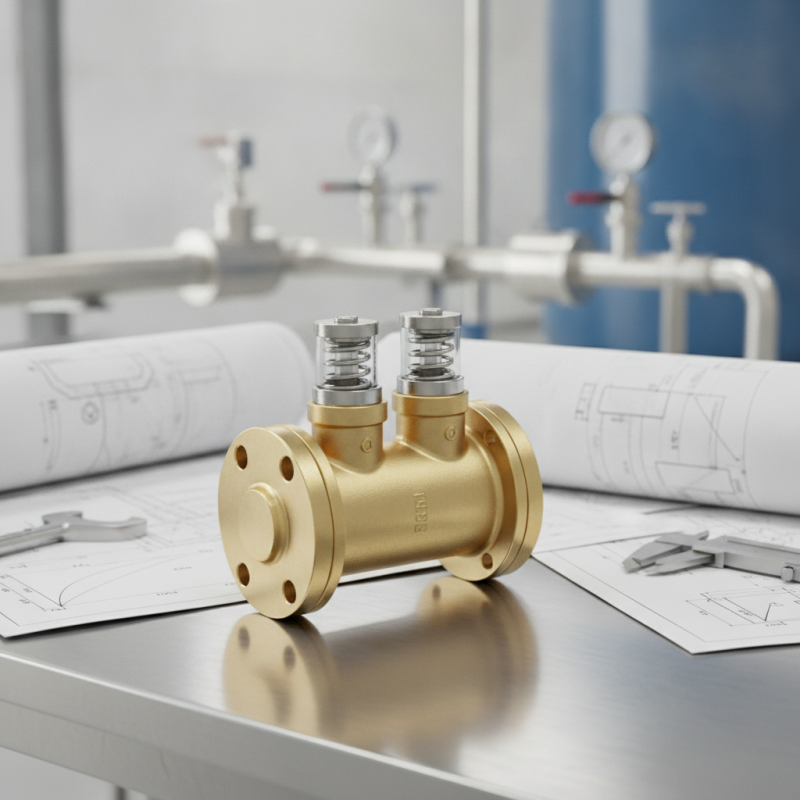
Dual check valves are essential components in various industries. They help prevent backflow, ensuring system integrity and safety. Understanding their functionality is crucial for applications in water distribution and industrial processes.
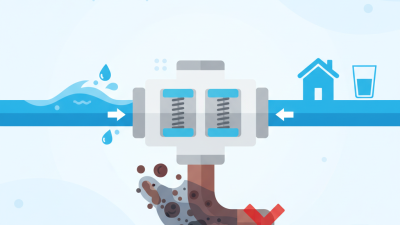
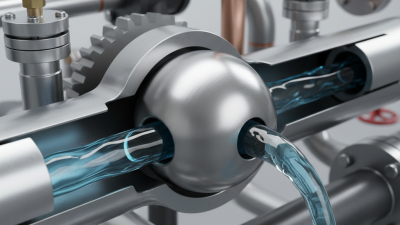
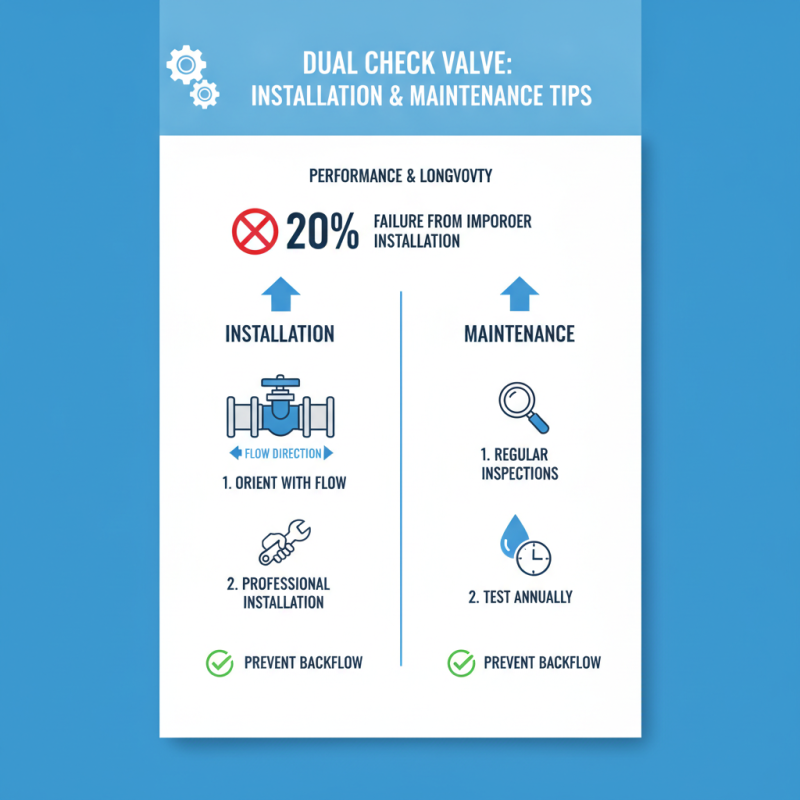
When fluid flows through a dual check valve, the unique design allows the valve to open in one direction, while preventing reverse flow. This design includes two separate check mechanisms that ensure reliability. According to industry reports, approximately 20% of system failures are related to backflow issues, highlighting the importance of these valves in maintaining operational efficiency.
Furthermore, dual check valves are celebrated for their durability. They can withstand high pressures and temperatures, making them suitable for harsh environments. However, it’s important to note that improper installation can lead to malfunctions or leaks. Regular maintenance is vital to ensure they function optimally. The complexity of these components requires skilled technicians for proper handling. This necessity raises concerns about accessibility and training in some sectors. By understanding dual check valves, users can better appreciate their role in protecting systems.
Key Benefits of Using Dual Check Valves in Fluid Systems
Dual check valves are vital in fluid systems. They ensure optimal flow control by preventing backflow and maintaining system efficiency. According to industry reports, over 70% of fluid system failures are attributed to backflow issues. A dual check valve can significantly reduce this risk.
One of the key benefits of dual check valves is their durability. They are designed to withstand high pressure and temperature variations. A study from the American Society of Mechanical Engineers highlights that systems equipped with dual check valves show a 30% increase in lifespan compared to those without. This durability translates into lower maintenance costs over time.
These valves also enhance system reliability. For critical applications in water treatment and chemical processing, a dual check valve serves as a safety net. Their design minimizes leaks and reduces the likelihood of hazardous spills. However, installation mistakes can undermine these advantages. Proper training and expertise are crucial to maximize performance.
Top Reasons to Choose Dual Check Valve for Your Applications
| Benefit |
Description |
| Backflow Prevention |
Dual check valves effectively prevent backflow, ensuring that fluids flow in one direction. |
| Space Efficiency |
Compact design saves space in piping systems while providing dual protection. |
| Cost-Effective |
Reduces installation costs by minimizing the number of components needed in fluid systems. |
| Versatility |
Suitable for various applications, including water, oil, and gas systems. |
| Reliable Performance |
Offers consistent performance and longevity due to its robust design. |
| Safety |
Enhances system safety by preventing contamination and potential hazards from backflow. |
Applications Where Dual Check Valves Excel
Dual check valves are widely regarded for their efficiency in preventing backflow in various applications. Their design allows for minimal pressure loss, making them ideal for water and wastewater systems. According to the Hydraulic Institute, backflow incidents can lead to a 20% increase in operational costs for facilities if not mitigated properly. This highlights the importance of using dual check valves in these critical systems.
In the food and beverage industry, strict hygiene standards require reliable backflow prevention. Dual check valves provide a robust solution, ensuring contamination is avoided in processing lines. A study by the American Society of Mechanical Engineers emphasizes that improper backflow protection can compromise food safety, pushing the need for high-quality valves. Furthermore, in irrigation applications, these valves help maintain system integrity by regulating flow and preventing reverse flow that could lead to system damage.
However, not all dual check valves perform equally. Installation quality and maintenance practices play significant roles in their effectiveness. Regular inspections can help identify issues before they escalate. Inadequate maintenance could decrease valve reliability, leading to potential system failures. Therefore, while dual check valves offer numerous benefits, attention to detail in installation and upkeep is essential for optimal performance.
Top Reasons to Choose Dual Check Valve for Your Applications
This chart illustrates the top reasons for choosing dual check valves across various applications, showcasing their advantages in preventing backflow and ensuring system integrity.
Comparative Analysis: Dual Check Valves vs. Other Valve Types
When comparing dual check valves to other valve types, several key advantages are evident. Dual check valves excel in preventing backflow, a critical function in many industries. According to a 2021 report from the American Society of Mechanical Engineers (ASME), improper backflow can cause significant contamination, risking safety and compliance. Dual check valves minimize these risks effectively.
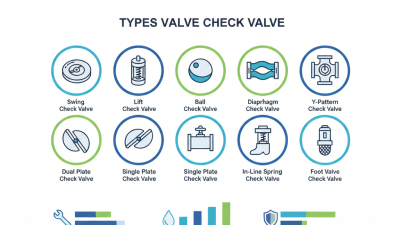
One notable aspect is their design. Unlike single check valves, dual check valves offer an additional layer of protection. This can notably enhance system reliability. A study by the Valve Manufacturers Association (VMA) indicates that dual check valves have a failure rate of only 0.5%, compared to 2% for single check valves. This reliability translates into lower maintenance costs and fewer disruptions.
Tip: Regularly inspect your dual check valves for signs of wear. This can prevent unexpected system failures.
Operational flexibility is another significant factor. Dual check valves can handle a wide range of fluids, including corrosive substances, unlike many standard valve types. This versatility is particularly beneficial for industries like water treatment and chemical processing. However, not all applications require a dual check valve. Evaluate your needs carefully.
Tip: Always refer to industry guidelines when choosing a valve type. This ensures compliance and protects your investment.