A dual check valve is a critical component in plumbing systems, ensuring backflow prevention and safeguarding potable water. According to John Smith, a plumbing industry expert with over 20 years of experience, “The dual check valve is essential for protecting our water supply from contamination.” This simple yet effective device prevents reverse flow, which can cause serious health risks.
In residential and commercial plumbing, the dual check valve is often overlooked. Many do not realize its importance until issues arise. By installing these valves, one can dramatically reduce the risk of contaminated water entering the system. The valves work effectively in various plumbing settings, from large buildings to individual homes.
However, some plumbing systems may still lack proper installation or maintenance. This gap can lead to failures that compromise water safety. As the demand for clean water continues, understanding the role of the dual check valve becomes increasingly vital. Awareness and proactive measures are essential for ensuring safe drinking water for everyone.
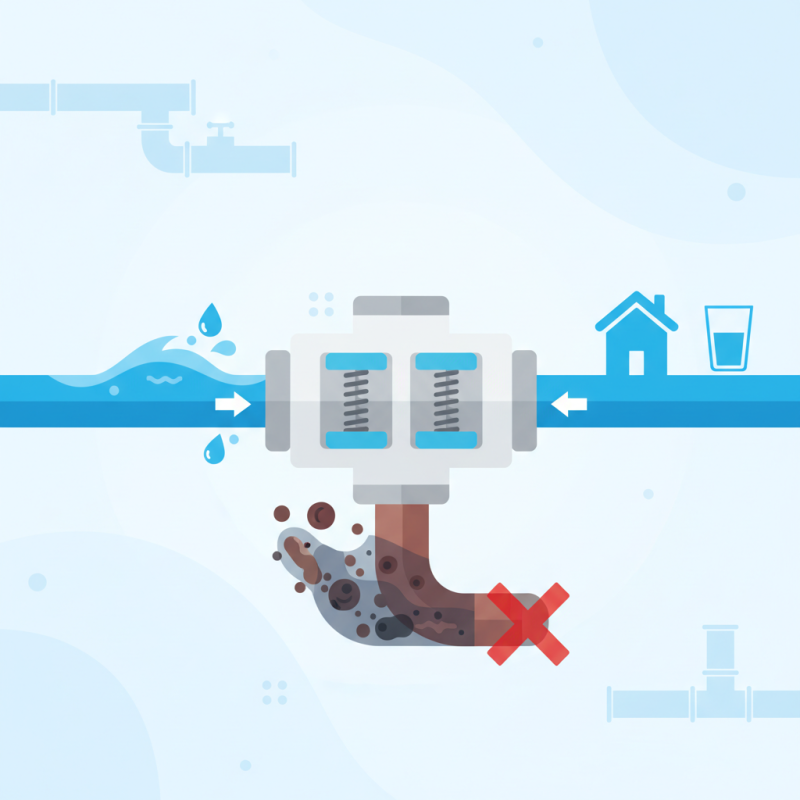
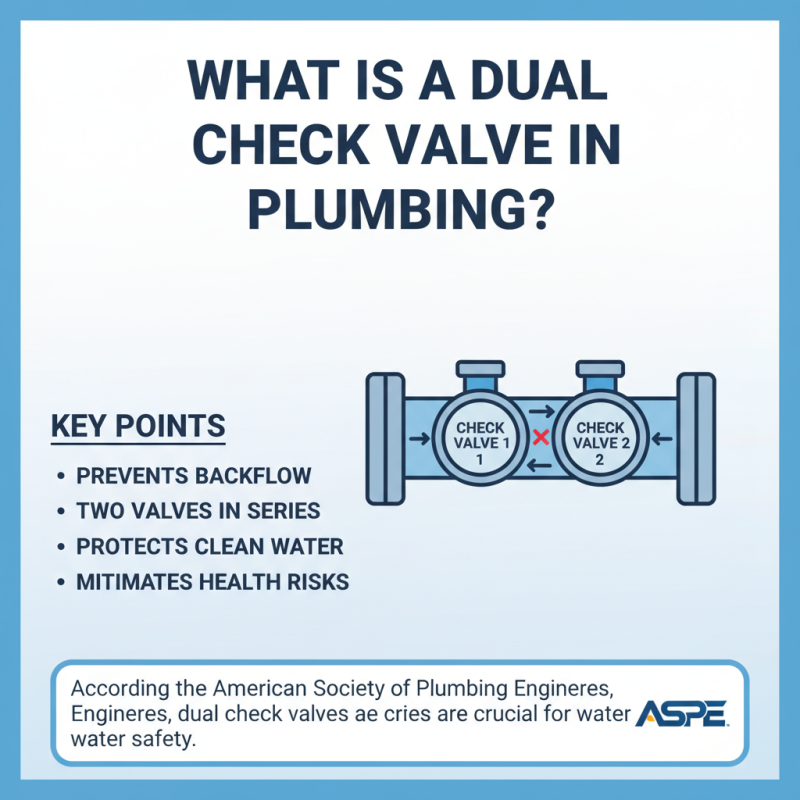
A dual check valve is a vital component in plumbing systems, designed to prevent backflow of water. It consists of two check valves arranged in series. This setup ensures that potential contaminants do not reverse flow into the clean water supply. According to the American Society of Plumbing Engineers, backflow incidents can lead to significant health risks. Having a dual check valve can mitigate these dangers effectively.
In recent data, 80% of plumbing codes worldwide now require dual check valves for residential systems. This demonstrates the industry's recognition of their importance. Installers should choose quality dual check valves to ensure reliable performance. Regular inspections are necessary, as wear can lead to failure.
**Tip:** Always check the valve for signs of wear or damage. Regular maintenance can prolong its life. If unsure about installation, consult with a licensed plumber.
Another aspect to consider is the environment in which the dual check valve is installed. Harsh conditions can accelerate deterioration. Maintaining a consistent water pressure can also enhance performance.
**Tip:** Monitor water pressure regularly. Fluctuations can impact valve efficiency and service life.
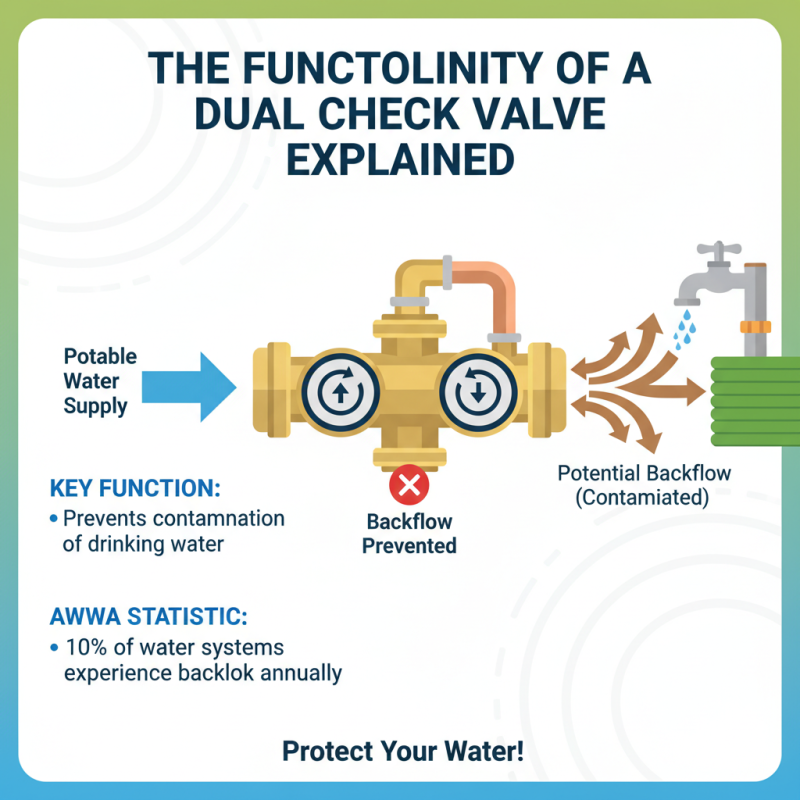
A dual check valve is a critical component in plumbing systems. Its primary function is to prevent backflow, which can lead to contamination of potable water supplies. According to the American Water Works Association (AWWA), approximately 10% of community water systems experience backflow issues each year. This statistic underscores the importance of having a dual check valve installed.
The functionality of a dual check valve lies in its two independent check mechanisms. These mechanisms work together to create a barrier against the reverse flow of water. Each check valve opens when water flows in the desired direction, while closing tightly when backflow attempts to occur. This dual functionality significantly reduces the risk of contaminants entering the drinking water system. Industry reports indicate that systems with dual check valves can decrease the likelihood of backflow incidents by over 40%.
However, not all installations guarantee optimal performance. Over time, wear and tear can compromise a dual check valve’s effectiveness. Regular maintenance is often neglected, leading to potential failures. The Environmental Protection Agency (EPA) recommends routine inspections for plumbing systems that incorporate dual check valves. This practice is essential, yet many homeowners overlook these crucial steps, leaving their water supply vulnerable.
Dual check valves are vital components in plumbing systems. They prevent backflow, ensuring clean water supply. By using dual check valves, you can protect your plumbing from contamination. These devices work effectively in residential and commercial settings. They create a barrier, stopping water from flowing back into the supply line.
One significant benefit of dual check valves is their reliability. They are designed to handle fluctuations in water pressure. This reliability helps maintain consistent water quality. Additionally, they are relatively easy to install and require minimal maintenance. Homeowners appreciate their simplicity, as they often lead to long-term savings.
However, it’s important to choose the right size and type. If installed incorrectly, they may not perform effectively. Regularly inspect your plumbing system for potential issues. This proactive approach ensures that dual check valves deliver their intended benefits. Investing time in maintenance can prevent costly repairs down the line.
Dual check valves play a crucial role in both residential and commercial plumbing systems. These valves prevent backflow, ensuring that the water supply remains uncontaminated. They are vital in applications like irrigation systems, swimming pools, and sprinkler systems, where the risk of contamination is high.
In residential use, dual check valves are often installed in water supply lines to appliances, such as dishwashers and washing machines. They safeguard drinking water from potential pollutants. In commercial settings, they protect complex systems like fire suppression and HVAC systems. According to the American Society of Plumbing Engineers, dual check valves can reduce the risk of backflow incidents by up to 80%, making them essential in water safety protocols.
Tip: Regularly inspect your dual check valves. Look for signs of wear or damage. Replace them if they no longer seal properly.
When considering installation, professionals recommend evaluating the system's water pressure and flow rate. Dual check valves must be compatible with existing plumbing. A mismatch can lead to system failures or inefficiencies. Consulting with a plumbing expert can ensure proper selection and installation.
Tip: Keep maintenance records for your plumbing. Regular checks can prevent costly repairs in the future.
This chart illustrates the common applications of dual check valves in both residential and commercial settings, highlighting their significance in plumbing systems.
Maintaining dual check valves is crucial for efficient plumbing systems. These valves prevent backflow, keeping water supplies clean. A small issue can lead to significant plumbing headaches. Regular maintenance checks can help avoid serious problems.
Inspection should occur at least twice a year. Look for leaks and corrosion. An estimated 75% of plumbing issues arise from neglecting such maintenance. Regular cleaning is also essential. Debris can accumulate and hinder valve function. This may not seem serious, but blockages can lead to costly repairs.
Testing the valves can reveal pressure issues early. Low pressure often indicates wear or damage. Technicians recommend replacing valves every five to seven years to ensure optimal performance. Failure to address these signs may result in greater expenses down the line. It’s essential to remain vigilant.
| Feature | Description | Importance |
|---|---|---|
| Design | Two check valves in one body, allowing for backflow prevention. | Essential for maintaining water quality and preventing contamination. |
| Function | Prevents the reverse flow of water in plumbing systems. | Protects the potable water supply and plumbing fixtures. |
| Common Issues | Sediment buildup or debris can cause valve malfunction. | Regular maintenance is required to ensure optimal operation. |
| Maintenance Tips | Inspect regularly for leaks, clean debris, and test functionality. | Prevents costly repairs and system failures. |
| Installation Location | Typically installed in residential and commercial water supply lines. | Crucial for any plumbing system to ensure proper flow direction. |
© Shipham Valves 2025. All Rights Reserved.
Website By PS Website Design Ltd
Request a Quote/Further Information
Download
We use cookies on this website, by continuing to browse the site you are agreeing to our use of cookies. Find out more.