Why Are Gate Valves Used in Industrial Applications?

Industrial plants depend on reliable isolation across steam, water, oil, and process lines. The International Energy Agency’s Tracking Industry 2023 report estimates that industry accounts for about 37% of global final energy consumption. That scale makes dependable flow control more than a design detail. It affects maintenance planning, operating continuity, and the time crews spend isolating equipment.

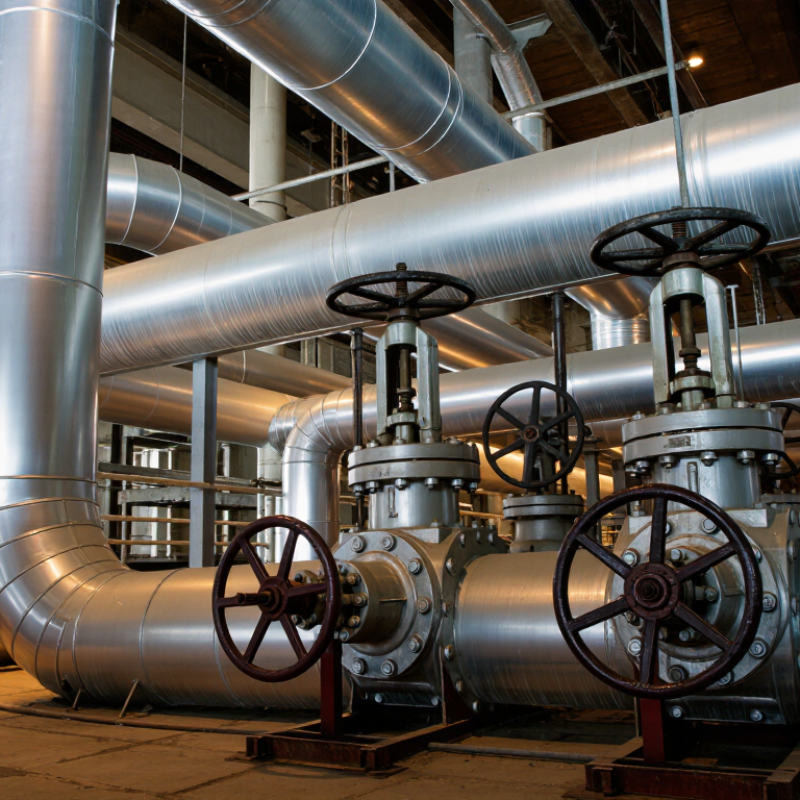
Gate valves are used mainly to start or stop flow, rather than regulate it. When fully open, the gate withdraws from the flow path, creating a relatively straight passage with limited obstruction. This suits large pipelines and systems that remain open for long periods, such as cooling-water networks or plant utility lines. A handwheel turns the stem; the gate moves slowly into place. Simple in principle. But not effortless in practice.

Their strengths come with limits. Partly open gate valves can experience vibration, wear, and damage, so they are generally poor choices for throttling. They may also require more space and operating time than some alternatives. The U.S. Department of Energy’s Improving Steam System Performance: A Sourcebook for Industry emphasizes the importance of sound steam-system operation and maintenance; valve selection is one practical part of that work. Engineers still need to match materials, pressure ratings, temperature, and service conditions to the application. A gate valve is not automatically the right valve. That distinction is easy to overlook, especially when a familiar design seems to fit every line.
Why Are Gate Valves Used in Industrial Applications?

How Gate Valves Control Flow in Industrial Piping

A gate valve controls flow by moving a flat or wedge-shaped gate across the pipe. Turning a handwheel, or operating an actuator, raises or lowers the gate through its stem. When fully open, the gate clears most of the passage, allowing fluid to move with relatively little obstruction. When closed, it presses against the seats to stop flow. A tactile detail matters: operators may feel rising resistance as the gate meets the seat.

Gate valves suit isolation more than precise flow adjustment. Their opening does not produce a reliably linear change in flow. Left partly open, a gate can create high-velocity jets, vibration, and wear around the disc and seats. Not ideal.

The U.S. Department of Energy’s 2006 Improving Pumping System Performance sourcebook estimates that pumping systems use nearly 20% of the energy consumed by industrial motor systems. That figure does not measure gate-valve losses, but it highlights why piping resistance and operating conditions deserve attention.

In practice, engineers commonly select a gate valve where a line needs dependable shutoff and can remain fully open or fully closed. For example, a maintenance crew may close one branch before removing a pump, while adjacent lines keep running. Specify materials, pressure rating, temperature range, and fluid compatibility for the actual service. A gate valve can still be misapplied when operators use it as a routine throttle; checking the process duty is a small step, but an easy one to overlook.

Design Features That Support Full-Bore Flow

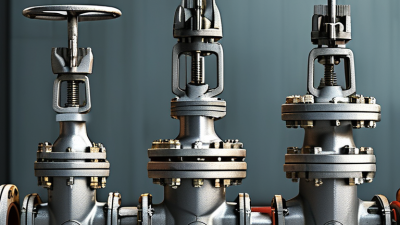
In a fully open gate valve, the gate lifts clear of the main passage, leaving a nearly straight, full-bore route for fluid. This geometry avoids the narrowed throat found in many globe-style valves and can limit pressure loss when the valve is correctly sized. The benefit is practical: a scraper or cleaning pig may pass through compatible pipeline designs, and operators can inspect a continuous bore more easily. That matters. The opening is not automatically unrestricted; the pipe, fittings, and valve must have suitable dimensions.

Gate valves typically use a wedge or parallel gate moving between seats, guided by the body and stem. When fully withdrawn, the gate leaves little obstruction across the flow path. This can reduce turbulence in large process lines, though actual performance depends on the fluid, valve trim, and installation. Still, the benefit is easy to overstate. Gate valves are generally intended for isolation, not fine flow control; a partly open gate can vibrate, erode, or wear its seating surfaces. A stiff handwheel or delayed shutoff may also point to deposits or seat damage, not only an actuator problem. Engineers should check pressure rating, materials, and operating conditions. Full bore is a design feature, not a promise of zero pressure loss.

Operating Conditions Suited to Gate Valves

Gate valves suit pipelines that need a clear, straight-through passage when fully open. They work well for infrequent isolation in water, oil, gas, and steam service, especially on larger lines where pressure loss matters. Technical Paper 410, Flow of Fluids Through Valves, Fittings, and Pipe, lists a representative loss coefficient of about 0.15 for a fully open gate valve. The figure is an estimate, not a guarantee; trim, size, and flow conditions change actual losses. That matters.

They are a poor choice for routine flow control. A partly open gate can create a high-velocity jet that erodes the seating surfaces and causes vibration. In a plant, that may appear as a valve that leaks after repeated throttling. Gate valves also move slowly, which can help avoid abrupt flow changes, but operators should still assess water-hammer risk and closure time. For hot or pressurized service, check the selected material’s pressure-temperature rating against ASME B16.34. The valve must match the actual fluid, temperature, pressure, and operating frequency—not just the pipe size. Bulkier handwheels and long travel can be inconvenient in cramped galleries; this is easy to underestimate during design.

Why Are Gate Valves Used in Industrial Applications? — Operating Conditions Suited to Gate Valves

Operating condition Typical service examples Why a gate valve can be suitable Important operating considerations
Full-open or full-closed service Pipeline isolation, equipment isolation, and distribution headers Gate valves are designed primarily for on/off isolation. When fully open, the gate is generally withdrawn from the flow path, allowing a relatively direct passage. They are not intended for routine flow regulation. Partial opening can cause high-velocity flow, vibration, and damage to the gate or seats.
Low pressure-drop requirements Long water, oil, or gas lines where minimizing resistance is important A full-port design can provide low flow resistance when the valve is fully open compared with many more obstructive valve designs. Actual pressure loss depends on valve design, size, flow rate, and installation. Confirm the manufacturer’s flow data for the selected valve.
Infrequent operation Plant sections or utility lines that are isolated mainly for maintenance The rising or non-rising stem mechanism provides a clear means of moving the gate between open and closed positions. Gate valves generally require multiple turns and can take longer to operate than quarter-turn valves. They may be unsuitable where rapid or frequent cycling is required.
Large-diameter piping Water transmission, power, and general process piping Gate valves are available in a wide range of sizes and are commonly used for isolation in larger pipelines. Large valves can require substantial operating torque and space. Check actuator requirements, support, and installation clearance.
Liquid service with compatible materials Water, selected oils, and other compatible process liquids They can provide effective shutoff when the body, trim, packing, and seat materials are selected for the fluid and service conditions. Fluid chemistry, suspended solids, temperature, and pressure can affect sealing and service life. Material compatibility must be verified.
Steam or other elevated-temperature service Selected utility and process steam lines Suitable designs and materials are available for some high-temperature services, and the straight-through flow path can be useful when the valve is open. Temperature and pressure ratings depend on the specific design and materials. Thermal cycling, seat leakage requirements, and applicable codes must be considered.
Clean or moderately dirty fluids, depending on design General-purpose process and utility lines Some gate-valve designs can handle a range of fluids when selected for the service and kept in the intended operating position. Slurries, fibrous material, and solids can obstruct seating surfaces or impair operation. Use a valve specifically designed and specified for such media.

Note: These are general selection guidelines, not universal ratings. Confirm pressure, temperature, fluid compatibility, end connections, materials, and applicable standards for each installation.

Industrial Systems That Commonly Use Gate Valves

Gate valves are widely used for isolation in power stations, water-treatment plants, pumping networks, and industrial steam systems. Their gate lifts clear of the flow when open, leaving a relatively unobstructed passage. They suit pipelines that normally remain fully open or fully closed, rather than lines needing frequent flow adjustment. Not a throttling valve.

In power plants, operators may use them on cooling-water lines, boiler-feed systems, and steam headers. The U.S. Energy Information Administration reported that natural gas supplied about 43% of U.S. utility-scale electricity generation in 2023. That figure reflects the scale of thermal generation, where dependable isolation matters during maintenance. Water utilities also use gate valves on large distribution mains, where crews may need to shut off a section without draining an entire network. Industrial facilities install them on utility and process lines, though corrosive fluids, solids, pressure, and temperature can change the best choice. The details matter.

A gate valve is not automatically the safest or cheapest option. Poor installation, infrequent operation, or unsuitable materials can make it difficult to close when needed. In practice, I would check the service conditions and maintenance access before specifying one. A valve buried beneath a road is harder to inspect than one beside a clear pump-room walkway.

Limitations and Factors in Gate Valve Selection

Why Are Gate Valves Used in Industrial Applications?

Limitations and Factors in Gate Valve Selection

Gate valves are designed mainly for fully open or fully closed service. They offer a relatively clear flow path when open, but they are usually a poor choice for regulating flow. A partly open gate can vibrate, wear unevenly, and suffer damage from high-velocity fluid. Keep that in mind.

Selection starts with the actual operating conditions, not just the pipe size. Check the fluid’s temperature, pressure, and chemistry against the valve’s body, gate, and seal materials. A corrosive liquid may need different materials than clean water. Solids or scale can also collect in the valve cavity and interfere with closing. Small details matter.

Consider how often the valve will operate and who will maintain it. Gate valves can take more turns to open than some quarter-turn alternatives, and large units may need powered actuators. Allow room for the stem and handwheel, especially in crowded pipe racks. Check access before installation. It is easy to overlook. For critical service, confirm the pressure rating, end connections, and maintenance requirements with qualified engineering staff. No selection table can replace a review of the real operating conditions; site assumptions are sometimes wrong.

How to read this chart: Ratings are qualitative guidance on a 1–5 scale, not measured performance data. Gate valves are well suited to on/off isolation and offer low flow resistance when fully open, but are generally unsuitable for throttling and can be slow to operate. Actual performance depends on valve design, size, materials, and service conditions.

Request a Quote/Further Information

    Download