Choosing a triple offset butterfly valve is a process decision, not a simple catalog exercise. The correct valve must match the media, pressure, temperature, line size, and operating cycle. Greg Johnson, a recognized valve-industry educator, states, “The right valve starts with the process, not the product.” That principle matters when a valve controls hot steam, abrasive slurry, or corrosive chemicals.
A triple offset butterfly valve uses a cam-like disc movement and a metal seat. This design reduces rubbing during operation and supports tight shutoff at demanding temperatures. However, performance depends on more than the offset geometry. Engineers should examine seat materials, body construction, pressure class, flange standards, actuator torque, and fire-safe requirements. A 24-inch valve may need different actuation than a smaller valve, even under similar pressure. The pipeline layout also affects access, maintenance, and disc clearance.
Small details matter.
This guide explains how to compare valve designs, calculate operating requirements, and identify unsuitable specifications before purchase. It also considers installation conditions, cycling frequency, fugitive emissions, and long-term maintenance. A neat spreadsheet can still miss erosion caused by dirty media. That is an uncomfortable possibility, but it deserves attention. Product data should be checked against verified test reports, applicable standards, and the supplier’s technical experience. No single triple offset butterfly valve fits every service. Careful selection reduces leakage risk, unexpected torque problems, and costly shutdowns. It also creates a more defensible engineering decision for operators, designers, and procurement teams.
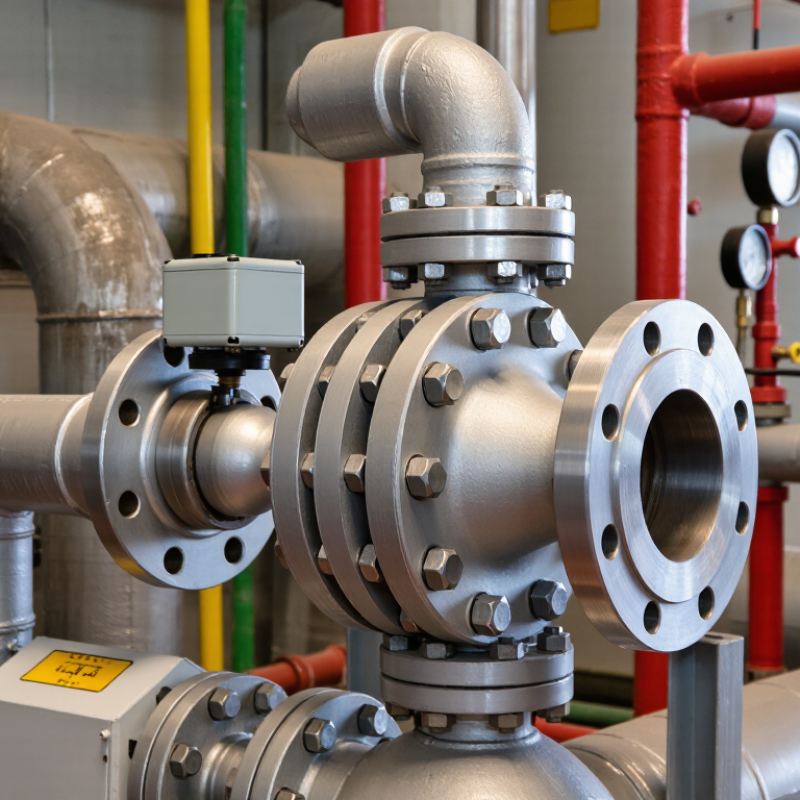
A triple offset butterfly valve uses three carefully arranged offsets to control disc movement. The first offset moves the stem behind the sealing centerline. The second shifts the stem away from the pipe centerline. The third offset creates a conical sealing surface. This geometry makes the disc lift away from the seat during opening. Metal surfaces then avoid continuous rubbing. Less friction usually means lower operating torque and longer sealing life.
The operating principle is practical, not mysterious. During closing, the disc follows the cone and contacts the seat only near the final rotation. A properly selected valve can handle high temperatures, pressure changes, and demanding isolation duties.
Seat materials, body construction, pressure class, and actuator size still require careful review. Small details matter. For example, abrasive particles can damage sealing surfaces, even when the valve is well designed.
Field experience shows that specifications do not always predict actual service. Flow turbulence, installation position, and thermal cycling may change performance. A valve that suits clean steam may perform poorly in a dirty process line. That assumption needs testing.
Check shutoff requirements, maintenance access, emergency operation, and applicable inspection standards before choosing. Review torque data across the full pressure range, not only at normal conditions. The best choice often comes from matching the valve’s geometry to the process, rather than selecting the most advanced-looking design.
Pressure, temperature, and media define the real service conditions. Do not select a valve from line size alone. Record normal pressure, maximum pressure, pressure differential, operating temperature, and upset conditions. API 609 provides dimensional and performance guidance for butterfly valves, while ASME B16.34 establishes pressure-temperature rating principles. A valve rated for 16 bar at ambient temperature may tolerate much less pressure at elevated temperatures. That difference matters.
Temperature affects body strength, sealing, and actuator performance. Specify both continuous and short-term temperatures. Steam, hot oil, oxygen, seawater, and abrasive slurry demand different materials and seat designs. The NACE IMPACT study estimated global corrosion costs at about 2.5 trillion dollars annually, equal to roughly 3.4% of global GDP. Media compatibility is not a minor detail. Check chloride levels, solids concentration, moisture, toxicity, and chemical reactivity before choosing alloys or coatings.
A pressure number alone can mislead. I have seen specifications copied from older projects, even when the process had changed. That is risky. Ask whether the valve must isolate, throttle, or handle emergency shutdown. Confirm leakage requirements and cycle frequency. Triple offset geometry can reduce rubbing during operation, but it cannot correct an unsuitable material choice. The imperfect step is often the most valuable: review real operating records, not only the design sheet.
(Sources: API 609; ASME B16.34; NACE IMPACT Study)
How to Choose a Triple Offset Butterfly Valve?
Selecting the correct material begins with the process medium, temperature, and corrosion risk. Carbon steel may suit dry, moderate services, while stainless steel offers better resistance in wet or corrosive environments. For high-temperature applications, verify the disc, shaft, and sealing materials separately. They do not always share the same limits. Not every selection is obvious.
Valve size should match the required flow, not simply the existing pipe diameter. Review flow rate, pressure drop, velocity, and available installation space. An oversized valve can operate poorly at low openings. An undersized valve may create excessive velocity and noise. Measure twice. I have seen project teams select by line size alone, then struggle with unstable control and difficult maintenance access.
Pressure class must cover both normal operating pressure and realistic temperature effects. Always check the pressure-temperature rating in the applicable standard. Thermal expansion, water hammer, and occasional surges deserve attention. The connection type also affects reliability. Choose wafer, lug, or flanged construction according to piping loads, maintenance plans, and available bolt access. Flanges need accurate alignment. Poor alignment can transfer stress into the valve body. This is a common, avoidable mistake. Confirm face-to-face dimensions, flange standards, actuator torque, and testing requirements before ordering. A technical datasheet may look complete, yet small omissions can delay installation.
Selecting materials, size, pressure class, and connection type requires checking the process medium, operating temperature, design pressure, pipe standard, and required shut-off performance.
The chart shows approximate ASME B16.34 pressure ratings at 100°F (38°C) for ASTM A216 WCB carbon-steel pressure-temperature ratings. Actual allowable pressure depends on body and trim materials, temperature, valve design, applicable standards, and the manufacturer’s certified data.
Use corrosion-resistant alloys or suitable seat materials when the medium, concentration, or temperature requires them.
Select the nominal diameter from the required flow rate, velocity, pressure drop, and pipe inside diameter.
Choose a class that exceeds the design pressure at the actual operating temperature, including transient loads.
Match wafer, lug, or flanged construction to the pipeline standard, maintenance requirements, and installation space.
How to Choose a Triple Offset Butterfly Valve?
Sealing performance should guide the selection. Triple offset geometry reduces rubbing between the disc and seat during operation. This design supports tight shutoff and lowers seat wear. Metal-to-metal sealing also handles high temperatures and abrasive service better than soft seats. However, leakage ratings still depend on installation, pressure, and temperature. Confirm the required class through recognized standards, such as ISO 5208 or API 598.
Actuation must match the valve’s torque curve, not only its nominal diameter. A larger safety margin helps during start-up and emergency closure. Pneumatic actuators suit frequent cycling, while electric actuators can simplify remote control. The fail position deserves careful review. A valve that closes safely in one process may create dangerous pressure elsewhere. I have seen projects specify oversized actuators, then struggle with slow movement and unnecessary energy use. A perfect choice is rare.
Tips: Check the torque at breakaway, running, and seating stages. Record the real medium temperature. Inspect flange alignment before tightening bolts. During maintenance, examine the seat edge, stem packing, and actuator linkage. Keep spare seals and documented torque data nearby. Also, test the valve after installation, not months later.
Choosing a triple offset butterfly valve starts with verifying the required standards. API 609 covers butterfly valve design and testing categories. ASME B16.34 addresses pressure-temperature ratings and materials. ISO 5752 helps confirm face-to-face dimensions. Do not assume they are interchangeable.
Ask for pressure-test records, material certificates, welding procedures, and a traceable serial number. The 2024 MarketsandMarkets Industrial Valves report identifies energy, water, and chemical processing as major demand sectors. Each sector applies different corrosion, temperature, and emissions controls. A valve suitable for water may fail quickly in hot steam service. Small detail, large consequence.
Installation conditions deserve equal attention. Check flange alignment, pipe stress, flow direction, actuator torque, and thermal expansion. Remove welding debris before commissioning. Even a strong metal seat can leak after one trapped particle. The U.S. Department of Energy reports that compressed-air systems may lose 20–30% of their capacity through leaks, showing why sealing and inspection matter. That figure is not a valve-specific guarantee, but it is a useful warning.
Supplier reliability requires more than a polished website or an ISO 9001 certificate. Review recent project references, factory acceptance testing, calibration records, spare-parts support, and response times. Request a witnessed hydrostatic and seat-leakage test when the service is critical. I would also compare the supplier’s stated torque with real operating conditions. Datasheets can be optimistic. A practical site review may reveal a better answer.
© Shipham Valves 2025. All Rights Reserved.
Website By PS Website Design Ltd
Request a Quote/Further Information
Download
We use cookies on this website, by continuing to browse the site you are agreeing to our use of cookies. Find out more.