Call us on: +44 (0) 1482 323163
Request a Quote
Buying gas valves across borders is more complex than comparing prices on a supplier website. A valve may look suitable in a product photograph, yet fail when pressure, temperature, or gas composition changes. Global buyers must examine every detail, from body materials and seal quality to connection size and flow direction.
A reliable purchasing decision begins with the application. Will the valve serve a residential heater, an industrial burner, or a large distribution system? Each use creates different safety and performance demands. Check pressure ratings carefully. Confirm whether the valve supports natural gas, propane, biogas, or another approved medium. A small mismatch can cause leakage, unstable operation, or expensive downtime.
Supplier evidence matters too. Look for traceable test reports, clear technical drawings, and consistent quality records. Independent certifications can strengthen confidence, but certificates should match the exact model and market requirements. Do not accept vague claims.
Details reveal competence.
Experienced buyers also assess production capacity, packaging, spare parts, and after-sales support. A shipment may pass inspection but still arrive with damaged threads or missing instructions. Factory audits, sample testing, and written specifications reduce these risks. They do not remove every uncertainty.
No checklist is perfect.
This guide presents seven practical gas valve buying tips for global buyers. It focuses on product selection, supplier verification, testing, documentation, and long-term service. The recommendations are designed to support careful decisions, not rushed commitments. When safety-critical equipment is involved, asking one more technical question is usually wiser than correcting one costly mistake later.
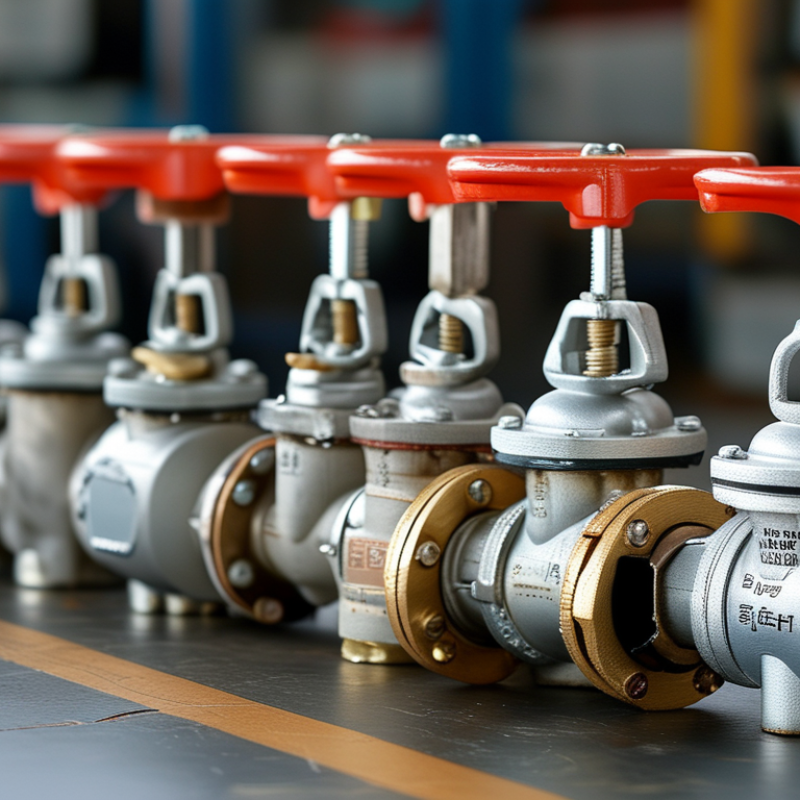
Before comparing suppliers, define where the gas valve will work. “Gas valve” is not a complete specification. Identify the gas, pressure range, temperature, flow rate, and operating cycle. Is it for a burner, laboratory line, commercial kitchen, or industrial process? Each application changes the safety function. A shutoff valve may need rapid closure. A control valve may require stable, repeatable modulation. Record normal and worst-case conditions. Small gaps here become expensive changes later.
Check compatibility with the gas and wetted materials. Ask for body, seal, and diaphragm materials, not only a catalog description. Confirm connection size, thread standard, electrical supply, enclosure rating, and installation direction. For outdoor equipment, moisture and temperature swings matter. For dusty areas, ingress protection deserves attention. Request pressure-drop data at your actual flow, plus leakage and endurance test methods. Test reports should identify the model, sample quantity, test conditions, and date.
Only then compare suppliers on more than unit price. Review traceability, production controls, calibration records, spare-part access, and technical response time. A supplier should explain how each valve matches your defined duty. Ask for drawings and a sample for fit checks. Do not assume a higher pressure rating solves every problem. It may increase cost or reduce control accuracy. I have seen clean tables hide unclear assumptions. That is a warning to revisit the specification, not a reason to rush the purchase.
| Tip | Gas Valve Type | Typical Application | Key Selection Criteria | Relevant Standards or Requirements | Buyer Verification Point |
|---|---|---|---|---|---|
| 1 | Ball Valve | Gas isolation in transmission, distribution, industrial piping and equipment skids. | Choose a full-port design when low pressure drop and pipeline pigging are important. Confirm body material, bore size, pressure class, temperature range, fire-safe design and whether the valve is suitable for buried or above-ground service. | Pipeline valves are commonly specified to API 6D or ISO 14313. General industrial valve design may reference ASME B16.34. Flanged dimensions may follow ASME B16.5 or EN 1092-1. | Request the pressure-temperature rating, seat material, leakage classification, fire-test documentation where required, and end-connection drawings. |
| 2 | Gate Valve | Full-open or full-closed isolation on pipelines, storage systems and high-flow gas lines. | Gate valves are intended primarily for isolation, not routine throttling. Compare wedge or slab-gate construction, stem arrangement, bore, sealing arrangement, operating torque and installation space. | Common specifications include API 6D or ISO 14313 for pipeline service and ASME B16.34 for industrial valve requirements. | Confirm that the valve will not be used for continuous flow control and verify actuator or handwheel torque at the minimum and maximum operating pressures. |
| 3 | Globe or Control Valve | Gas flow, pressure or temperature control in process plants, boilers, burners and regulating stations. | Size the valve using required flow rate, inlet and outlet pressure, gas specific gravity, allowable pressure drop, noise, cavitation risk and expected operating range. Select the trim characteristic and actuator according to control behavior. | Control-valve sizing and terminology are commonly associated with IEC 60534. Actuator and positioner requirements may be specified separately for the control system and hazardous area. | Provide minimum, normal and maximum flow conditions, upstream and downstream pressure, gas composition, temperature and required fail position. |
| 4 | Pressure-Reducing Regulator | Reducing high or medium inlet pressure to a stable downstream pressure for distribution networks, industrial users and appliances. | Compare inlet-pressure range, outlet-pressure set range, flow capacity, droop, lock-up pressure, shutoff behavior, sensing method and relief or monitor arrangement. A regulator is not automatically a substitute for an emergency shutoff valve. | Applicable requirements vary by country and installation category. Gas pressure regulators may be assessed against regional appliance, distribution or industrial gas regulations and relevant national standards. | Verify the required set pressure, maximum incidental pressure, overpressure protection method, venting arrangement and downstream equipment pressure limit. |
| 5 | Safety Shutoff Valve | Rapid isolation of fuel-gas lines when flame failure, excessive pressure, leakage or another unsafe condition is detected. | Define normal-open or normal-closed operation, closing time, reset method, leakage class, proof-of-closure indication, solenoid voltage, manual reset requirements and compatibility with the safety control system. | Burner and gas-train applications commonly reference EN 161 or equivalent national requirements. Industrial installations may also require functional-safety documentation and hazardous-area approvals. | Confirm the safety function, response time, electrical protection, allowable gas family, ambient temperature and required certification for the destination market. |
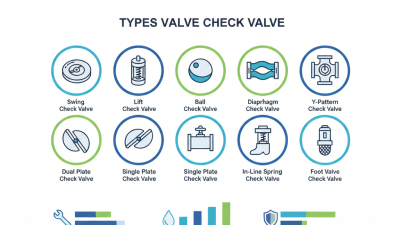
| 6 | Check Valve | Preventing reverse gas flow in compressor discharge lines, fuel systems, manifold connections and parallel equipment. | Select a suitable swing, lift, piston or wafer design according to flow direction, installation orientation, cracking pressure, reverse-pressure requirement, closing speed and susceptibility to chatter. | Valve design may be specified under API 6D, API 594 or ASME B16.34 depending on the service and construction. End dimensions must match the selected piping standard. | Check minimum flow for stable operation, allowable installation orientation, reverse leakage rate and water-hammer or pressure-pulse risk. |
| 7 | Emergency Isolation Valve | Remote or automatic isolation of gas facilities, storage areas, loading systems and high-consequence process sections. | Define the emergency scenario, required isolation time, actuator type, fail-safe position, manual override, remote-control interface, fire exposure, position feedback and availability requirements. | Pipeline and process specifications may reference API 6D or ISO 14313, while actuator interfaces may use ISO 5211. The complete system may also require local fire, pressure-equipment and hazardous-area compliance. | Request the cause-and-effect diagram, actuator sizing calculation, emergency power or stored-energy data, partial-stroke testing method and maintenance intervals. |
Note: Actual pressure ratings, temperature limits, materials, certifications and allowable gas compositions depend on the final valve design, applicable regulations and installation conditions.

© Shipham Valves 2025. All Rights Reserved.
Website By PS Website Design Ltd
Request a Quote/Further Information
Download