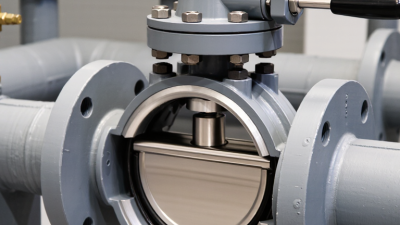
A wafer valve looks simple on a piping diagram: a slim body sits between two flanges, held in place by bolts. In service, however, details matter. Disc clearance, seat material, face-to-face dimensions, and operating torque can affect installation and performance. Buyers comparing China’s leading manufacturers should look beyond catalog claims and ask for drawings, material records, pressure ratings, and test documentation. Small differences can become costly surprises.
This introduction uses an explicitly fictional composite specialist, Lin Wei, rather than presenting an unverified quotation as a real expert’s words: “A wafer valve earns confidence through fit, sealing, and evidence—not appearance alone.” Treat that line as editorial wording, not a documented quotation. For a publishable expert attribution, verify a named professional and the original source. That extra check matters.
The guide will examine ten Chinese manufacturers through practical buyer questions: What applications do they serve? Can they customize dimensions or materials? How do they document inspection and testing? Clear answers help buyers compare suppliers without treating a ranking as a guarantee. A lower price may be attractive. It may also conceal trade-offs in lead time, support, or specification control. No shortlist replaces checking whether a particular wafer valve matches the actual line conditions, installation space, and maintenance plan.
A wafer valve sits between two pipe flanges, so matching its ratings is only part of the selection. DN indicates nominal size, not an exact measured bore. A DN 100 valve, for example, does not guarantee a 100-millimeter opening. Check the product drawing and flange standard before ordering. Small dimensional differences can complicate installation.
PN describes a nominal pressure rating under specified conditions. ASME Class ratings use a different system, and neither label should be treated as a direct pressure conversion. Allowable pressure varies with material and temperature. A valve’s pressure-temperature chart is essential, especially when process temperatures rise. That detail is easy to overlook.
Tips: Confirm DN, flange drilling, face-to-face dimensions, body material, and operating temperature on the same datasheet. Compare the valve’s published pressure limits with actual service conditions. If two documents disagree, pause and ask the supplier for written clarification. A tidy specification saves rework.
For global buyers, a wafer valve’s face-to-face dimension is not a minor drawing detail. API 609 covers wafer-type butterfly valves and sets design and inspection requirements; EN 558 and ISO 5752 specify face-to-face dimensions for flanged piping systems. These standards serve different purposes, so citing one does not replace checking the others. Confirm the required dimension series, nominal size, pressure class, and applicable editions before approving a quotation.
Small mismatch. Big rework.
The practical check is simple: compare the valve’s stated face-to-face length with the project piping schedule, then verify flange compatibility and disc clearance. A liner that compresses differently or a disc that contacts the pipe can disrupt installation. Grand View Research’s Industrial Valves Market report estimated the global market at USD 78.7 billion in 2023, underscoring the scale of demand—but market growth does not guarantee interchangeability. A spreadsheet can still miss a millimetre. On critical lines, request a dimensioned drawing and inspection records, and confirm the supplier’s measurements against the specified standard series. Drawing reviews sometimes get rushed; that is exactly when a small dimensional assumption becomes expensive.
China’s wafer-valve manufacturers offer products for compact piping systems where installation space is limited. Common options include butterfly valves and wafer-style check valves, with bodies made from cast iron, ductile iron, carbon steel, or stainless steel. Buyers can also compare seat materials, disc designs, pressure ratings, and manual or powered actuation. Small differences matter.
For global buyers, export markets often include Southeast Asia, the Middle East, Europe, Africa, and the Americas. However, a supplier’s shipping history does not automatically confirm that a valve suits every project or destination. Ask for drawings, material details, pressure-test records, and documentation required by the intended market. Check dimensions against the existing pipeline before ordering; a mismatch can delay installation.
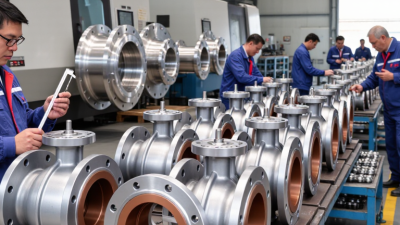
When comparing China’s top ten manufacturers, evaluate product range and export experience alongside production capacity and communication. Request samples or inspection records for critical applications, and clarify packaging, lead time, and after-sales support. A polished catalog helps, but it cannot replace technical review. Some supplier descriptions are less precise than buyers need, so written specifications deserve careful checking.
For global wafer-valve buyers, material choice and seat leakage should be compared together. A stainless-steel body may suit corrosive service, while ductile iron can be practical for general water lines. The seat matters just as much. EPDM is commonly selected for water duties; PTFE may suit a wider range of chemicals, but its suitability depends on temperature and pressure. Small differences matter.
ISO 5208:2015 defines leakage-rate categories A through G for industrial-valve pressure testing. Its rate A means no visually detectable leakage during the specified test. Higher categories permit measured leakage, so buyers should request the declared rate, test medium, pressure, and duration—not simply “bubble-tight” wording. Compare results at the same nominal size and test conditions. A low leakage rate is useful, but it does not prove long service life. Installation alignment, cycling, and seat wear can change performance. Ask for the test record. Even then, one detail is easy to miss: a factory test may not reproduce the buyer’s actual fluid or operating temperature.
For a wafer valve, a certificate is useful only when it matches the actual product and factory. Ask for the quality-management certificate, material certificates, and inspection records, then verify their scope and validity. ISO 9001 covers quality-management systems; it does not certify a valve’s performance. For butterfly valves, API Standard 609 and ISO 5208 offer relevant design and pressure-testing references. Details matter.
Pressure ratings need context. A stated class alone does not confirm suitability at the buyer’s operating temperature or with the selected flange arrangement. Compare the manufacturer’s pressure-temperature limits with the project specification, and request test results for the exact size and material. Grand View Research estimated the global industrial valves market at USD 78.2 billion in 2023, with a projected 4.3% compound annual growth rate from 2024 to 2030. This broad market estimate signals scale, not proof that any supplier can meet a specific duty.
Lead times should be confirmed in writing for the required configuration, not quoted for a standard valve and assumed to apply. Ask when material is allocated, testing is scheduled, and export documents are prepared. A delivery date without these milestones can look reassuring. It may not be. I would also check recent on-time delivery records; even careful buyers can overlook this when comparing prices.
An anonymized buyer-planning benchmark, not a verified ranking or supplier-specific directory. The entries describe common wafer-valve sourcing profiles; confirm every rating, certificate, and delivery date against the exact model and current quotation.
| Comparison Profile | Typical Wafer-Valve Scope | Pressure Rating to Confirm | Certification and Document Checks | Indicative Lead-Time Planning Range | Key RFQ Checks |
|---|---|---|---|---|---|
| 01 — General-purpose concentric | Resilient-seated butterfly valves for water and general utility service; common body materials include ductile iron and carbon steel. | Common offerings include PN10 or PN16; verify the rating by size, seat material, and operating temperature. | Request current ISO 9001 certificate, applicable design-standard declaration, material details, and pressure-test records. ISO 9001 is a quality-management-system certificate, not product approval. | Planning estimate: 2–6 weeks for standard configurations; confirm stock and production schedule. | Confirm face-to-face dimensions, flange compatibility, liner material, and whether the quoted pressure applies to shut-off service. |
| 02 — Large-diameter water service | Wafer or lug-style resilient-seated valves for water distribution, HVAC, and utility pipelines. | PN10 and PN16 are common classes; obtain the pressure-temperature limits for the requested diameter. | Request applicable potable-water approvals for the destination market, if required, plus material traceability and hydrostatic test documentation. | Planning estimate: 3–8 weeks; large sizes or non-standard materials may take longer. | Specify nominal diameter, flow direction, installation orientation, shaft material, and required coating system. |
| 03 — Stainless-steel process service | Metal-bodied wafer valves intended for selected chemical, food-process, or industrial utility applications. | Rating varies with body design and temperature; request the manufacturer’s pressure-temperature chart rather than relying on nominal class alone. | Request material grade and heat-number traceability; EN 10204 Type 3.1 inspection documents may be specified by contract. | Planning estimate: 4–8 weeks for common materials; special alloys can extend the schedule. | Check media compatibility, corrosion allowance, elastomer compatibility, and cleaning or surface-finish requirements. |
| 04 — High-performance double-offset | Double-offset butterfly valves for higher-temperature or more demanding industrial duties than typical concentric designs. | Some designs are offered at PN16, PN25, or ASME Class 150; confirm the exact model’s allowable pressure at operating temperature. | Request design-standard applicability, pressure-test procedure, material records, and any project-specific inspection plan. | Planning estimate: 5–10 weeks, subject to size, trim, and testing requirements. | Clarify seat construction, leakage acceptance criteria, fire-safe requirement if applicable, and cycle-life expectations. |
| 05 — Triple-offset metal-seated | Metal-seated triple-offset valves for specified high-temperature, high-pressure, or low-leakage duties. | Ratings are design- and size-dependent; request the applicable pressure-temperature table and bidirectional shut-off limits. | Request documented design and testing standards, material traceability, and project-required third-party inspection evidence. | Planning estimate: 6–12 weeks for engineered configurations; confirm after technical review. | Define leakage class, seat material, operating torque, actuator sizing, and whether shut-off is required in both directions. |
| 06 — Actuated package | Wafer valves supplied with electric or pneumatic actuators, controls, and mounting accessories. | Valve-body rating depends on the selected valve; actuator suitability depends on torque, differential pressure, and service conditions. | Request valve and actuator data separately. Confirm applicable electrical, hazardous-area, or functional-safety requirements for the installation. | Planning estimate: 4–10 weeks for standard packages; control options may add time. | Specify fail position, supply voltage or air pressure, control signal, enclosure rating, duty cycle, and mounting interface. |
| 07 — Fire-protection application | Butterfly valves proposed for fire-protection systems, subject to the approval requirements of the project and jurisdiction. | Confirm the required working pressure and surge conditions against the exact approved valve configuration. | Do not assume general industrial certificates satisfy fire-protection rules. Request current listing or approval evidence required by the destination market. | Planning estimate: 3–8 weeks, but approval status and availability must be checked before ordering. | Verify exact model and size on the relevant approval listing, along with supervision switches and installation requirements. |
| 08 — European-market supply | Wafer valves intended for projects requiring assessment under applicable European product and pressure-equipment rules. | Confirm the design pressure, size, fluid group, and temperature for the specific application. | Request a compliance assessment for the applicable EU legislation. CE marking and Pressure Equipment Directive obligations depend on product scope and classification; they should not be assumed for every valve. | Planning estimate: 4–10 weeks, depending on documentation, conformity assessment, and product availability. | Provide destination, fluid, design conditions, and required declaration or technical-file documents at RFQ stage. |
| 09 — Export-project supply | Wafer valves supplied with export packing, inspection records, and project documentation for overseas installation. | Specify the governing rating system, such as PN or ASME class; do not treat the two systems as automatically interchangeable. | Request inspection and test records, material documentation, origin documents where required, and a document index agreed before production. | Planning estimate: 4–10 weeks before dispatch; transit and customs time are additional. | Agree Incoterms, packaging standard, document language, inspection hold points, and shipment split requirements. |
| 10 — Custom-engineered project | Non-standard combinations of size, materials, trim, coating, actuator, or project-specific testing. | Determine from the approved technical design and pressure-temperature envelope; require written confirmation for the final configuration. | Build a project-specific document list, including applicable certificates, drawings, calculations, test reports, and inspection records. | Planning estimate: 8–16+ weeks after technical approval; engineering, testing, and sourcing can change the schedule. | Freeze the datasheet, deviations, inspection plan, and drawing approval before counting the confirmed production lead time. |
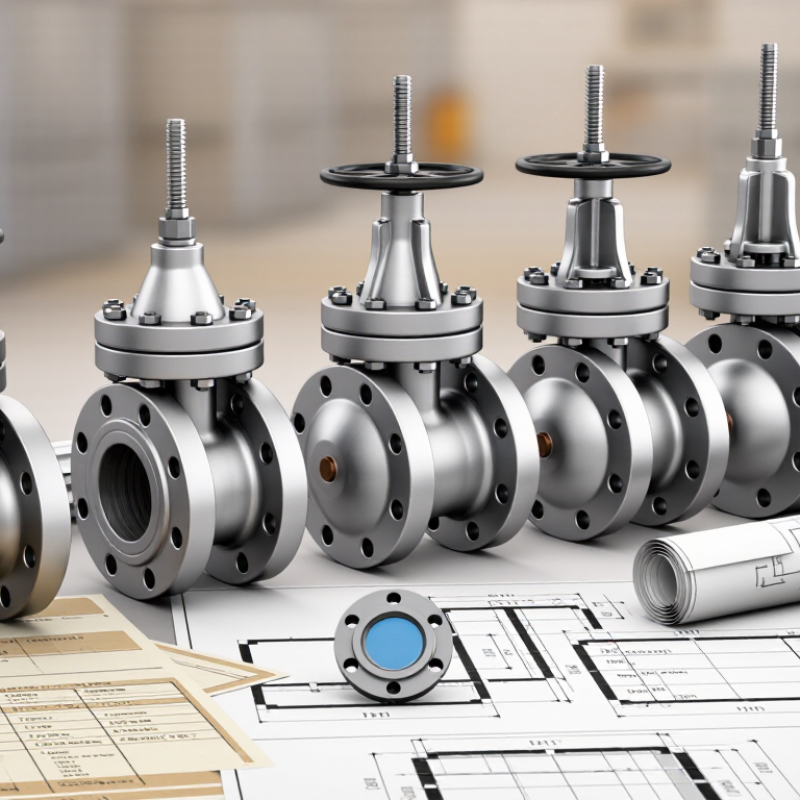
Buyer note: EN 593 and API 609 are commonly referenced butterfly-valve design standards, while ISO 5211 addresses actuator attachment interfaces. A standard reference alone does not establish product certification or suitability. Ratings and lead-time ranges above are general planning guidance, not verified claims about individual manufacturers.
© Shipham Valves 2025. All Rights Reserved.
Website By PS Website Design Ltd
Request a Quote/Further Information
Download
We use cookies on this website, by continuing to browse the site you are agreeing to our use of cookies. Find out more.