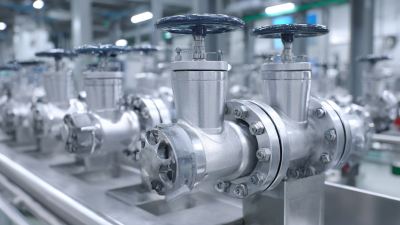
Global demand for industrial valves is expanding as water treatment, energy, chemical processing, and infrastructure projects modernize. MarketsandMarkets reports that the industrial valves market is projected to grow from approximately USD 78 billion in 2023 to more than USD 97 billion by 2028. Within this wider market, the butterfly valve remains attractive because it offers compact installation, low weight, and efficient flow isolation.
Yet global purchasing is not simply a price comparison. A valve rated for one pipeline may fail in another because of pressure, temperature, media, or flange differences. Small details matter. Buyers should verify body materials, seat compatibility, disc design, actuator torque, and pressure ratings before approving a quotation. Standards such as API 609, EN 593, ISO 5752, and relevant drinking-water requirements can support a more reliable technical review. Certification claims still require checking.
A professional supplier should provide drawings, material certificates, test records, traceability, and clear warranty terms. Factory experience also matters, especially when valves serve corrosive media, abrasive slurry, or frequent cycling applications. Grand View Research and Fortune Business Insights both identify infrastructure investment and process-industry demand as important drivers for valve-market growth. Their forecasts are useful, but market reports cannot replace project-specific engineering.
That is the uncomfortable truth. A forecast may look precise while a specification remains incomplete. These ten butterfly valve buying tips help global buyers compare suppliers, control lifecycle costs, and reduce avoidable commissioning problems. Fit is not universal. Careful questions usually save more money than a discounted purchase price.
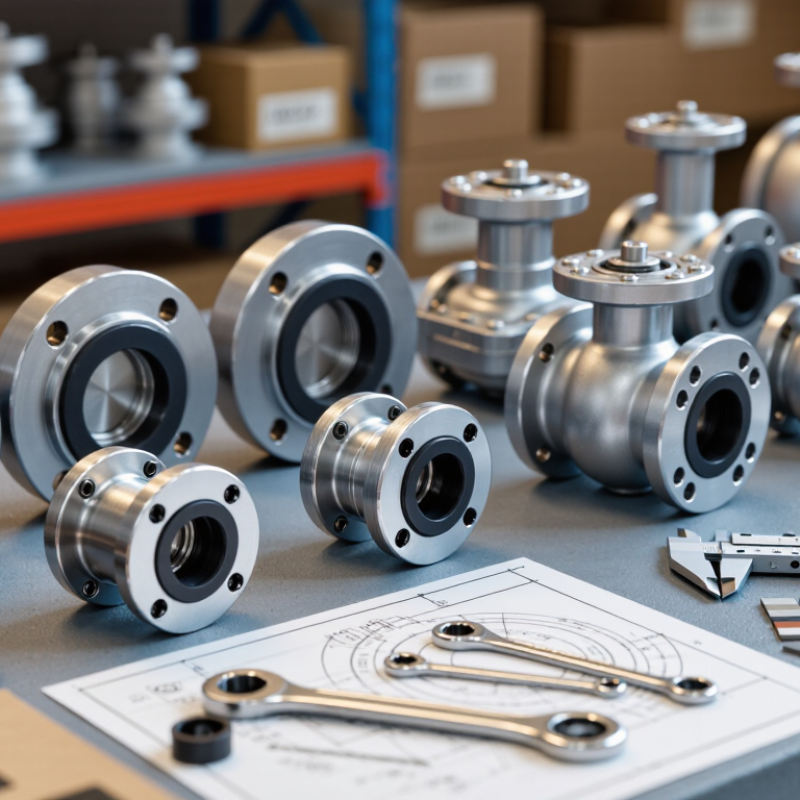
10 Butterfly Valve Buying Tips for Global Buyers
Understanding Butterfly Valve Types and Global Applications
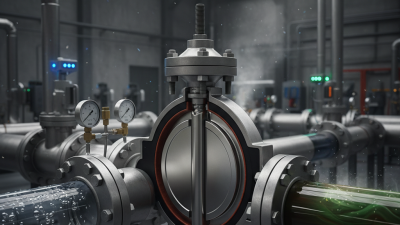
Butterfly valves suit many systems because they are compact, lightweight, and quick to operate. Their performance still depends on the valve type, fluid, pressure, and installation space. A concentric butterfly valve often works well in clean water, irrigation, HVAC, and low-pressure utility lines. Its elastomer seat seals around the disc. Temperature and chemical compatibility require careful checking.
Double-offset valves reduce disc-to-seat contact during opening. This design can lower wear in larger pipelines and demanding service. Triple-offset valves use a metal seat and may handle higher temperatures, steam, or severe process conditions. Wafer, lug, and flanged bodies also affect installation. A wafer valve saves space, while a lug valve supports easier section isolation. Flanged designs can simplify removal in heavy industrial systems.
Global applications create practical complications. Seawater may require corrosion-resistant materials, while abrasive slurry can damage unsuitable seats. Confirm the medium, flow direction, pressure class, temperature range, and actuator torque. Check face-to-face dimensions against local piping standards. Regional certification and documentation also matter during inspection and customs clearance. I have seen buyers focus on purchase price and overlook spare-seat availability. That decision can extend downtime later. Cheap is not always efficient. Even experienced teams sometimes select by pipe size alone, which is an unreliable shortcut. A valve should match the complete operating condition, not just the line diameter.
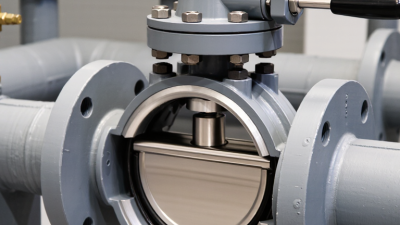
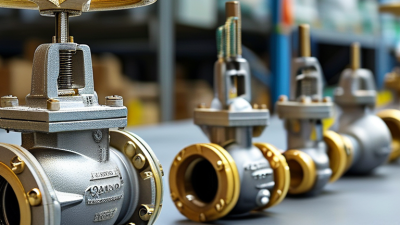
When buying butterfly valves globally, check the wetted materials before comparing prices. Ductile iron suits many water lines, while stainless steel handles corrosive fluids better. Carbon steel may work well, but coating damage can quickly become a problem. Seat selection matters too. EPDM fits many water applications; PTFE usually offers stronger chemical resistance. Confirm temperature, pressure, and media compatibility from the manufacturer’s test data.
Standards should match the installation, not merely appear on a quotation. EN 593 covers metallic butterfly valves for industrial service. API 609 addresses resilient-seated and high-performance designs. ISO 5211 helps verify actuator mounting dimensions. Ask for pressure-test records, material certificates, and EN 10204 type 3.1 documentation. Small paperwork gaps create large delays at customs and commissioning. I have seen buyers check the disc material, but forget the stem and seat.
Certification requirements depend on the destination and fluid. Drinking-water projects may require NSF/ANSI/CAN 61 or an accepted local equivalent. Pressure equipment may fall under the EU Pressure Equipment Directive, depending on category and service. The ISO Survey 2023 reported 1,265,216 ISO 9001 certificates across 189 countries and economies. That figure supports supplier quality screening, but ISO 9001 alone does not certify valve performance. Request independent test evidence. A certificate can still be incomplete. Check its scope, validity, issuing body, and product model. Also verify whether the quoted valve matches the tested configuration.
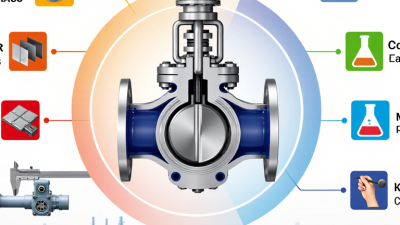
Butterfly valve selection starts with the line, not the catalogue. Measure pipe size, medium, temperature, and required flow before comparing prices. Tip 1: Match the nominal diameter to the actual piping standard. Tip 2: Check flange drilling and face-to-face dimensions. Tip 3: Confirm the pressure rating at operating temperature. ASME B16.34 warns that allowable pressure changes with temperature. A cold-water rating can mislead.
Flow performance needs closer attention. Tip 4: Request the valve’s Cv or Kv curve, not only a maximum flow figure. Tip 5: Compare pressure loss at normal and peak flow. Tip 6: Review the shutoff class and test method. ISO 5208 defines leakage testing, while IEC 60534-2-1 provides recognized flow-sizing methods. The U.S. Department of Energy’s Pumping System Assessment Tool guidance also shows how unnecessary pressure loss increases pumping demand. Small losses repeat every operating hour.
Tips 7–10: Select resilient or metal seating for the medium; verify shaft and disc materials; specify actuator torque with a safety margin; and confirm spare-part availability across regions. EN 1092-1 and ASME B16.5 help verify flange compatibility, but local piping practice still matters. I would not trust a size-only quotation. It may fit physically yet throttle poorly. Flow data can also be incomplete. Ask for test conditions, Reynolds-number assumptions, and certified documentation before approval. And leave room for uncertainty. Real systems rarely match the spreadsheet perfectly.
Evaluating Size, Pressure Ratings, and Flow Performance
The chart shows the theoretical water flow for common nominal valve sizes at a pipe velocity of 2 m/s. Values are calculated from the nominal circular pipe area using Q = A × v and are expressed in cubic metres per hour. Actual flow depends on the valve bore, disc position, pressure drop, fluid properties, and manufacturer flow coefficients.
When buying globally, confirm the nominal size and connection standard, compare pressure and temperature ratings at the operating conditions, check the required differential pressure, select a compatible seat and body material, verify the actuator torque, and request certified flow data such as Cv or Kv. Do not treat a nominal pressure class as a constant rating across all temperatures and materials.
10 Butterfly Valve Buying Tips for Global Buyers
Compare actuator torque before comparing prices. The actuator must overcome breakaway torque, line pressure, and seat friction. Add a sensible safety margin, but avoid excessive sizing. An oversized actuator can cause harsh closing and unnecessary energy use. Choose manual, pneumatic, or electric operation based on cycle frequency and available utilities. Check the required fail position. Confirm enclosure protection for outdoor installations. Small details matter.
Sealing material should match the medium and temperature range. Elastomer seats suit many water services, but heat and chemicals can shorten their life. PTFE handles broader chemical exposure, although it may need careful compression control. Metal seats tolerate higher temperatures and abrasive particles, but they can permit slightly more leakage. Ask for tested leakage data, not only a catalogue claim. Verify shaft, disc, and body materials against corrosion risks.
Operating conditions deserve a realistic review. Record minimum and maximum pressure, temperature, flow velocity, vacuum, and cycling frequency. A valve rated for static pressure may perform poorly during throttling. Check whether the disc creates unacceptable pressure loss at partial opening. Installation space also affects actuator selection and maintenance access. Request drawings, material certificates, inspection records, and pressure-test results. I have seen buyers focus on nominal size and overlook dirty media or low-temperature start-up. That mistake is easy to repeat.
When buying butterfly valves globally, supplier review should begin beyond the quotation. Ask for factory capacity, inspection procedures, material traceability, and references from comparable projects. A serious supplier should provide dimensional drawings, pressure-test records, material certificates, coating details, and packing lists before shipment. Check whether documents match the exact valve size, seat material, actuator, and serial number. Small mismatches create expensive delays.
Compare total cost, not only unit price. Include freight, customs handling, installation, spare seals, actuator energy, inspection, and possible downtime. The U.S. Department of Energy’s Improving Compressed Air System Performance report states that system leaks may waste 20–30% of compressor output. A poorly sealed valve can contribute to this loss, even when its purchase price looks attractive. Request torque data and leakage-class evidence. Then estimate energy and maintenance costs over five years. The spreadsheet may still lie.
After-sales support deserves measurable terms. Confirm response times, replacement-part availability, troubleshooting procedures, and technician access across time zones. Ask for a commissioning checklist and a clear warranty process. Keep one spare seat and compatible fasteners where downtime is costly. ISO 14224 highlights the value of consistent equipment failure and maintenance data for reliability analysis. Suppliers should support that discipline with repair records and failure feedback. I would also test one sample before approving a full shipment; this extra step is easy to skip, and regrettable.
| No. | Buying Tip | What to Review | Practical Data or Benchmark | Documents or Evidence to Request | Risk-Control Action |
|---|---|---|---|---|---|
| 1 | Define the service conditions first | Medium, pressure class, temperature, fluid composition, flow direction, shut-off requirement, and operating frequency. | Specify normal and maximum pressure, minimum and maximum temperature, valve size, and required leakage class before requesting quotations. | Approved datasheet, piping and instrumentation diagram, operating envelope, and applicable design standard. | Reject quotations based only on nominal diameter and pressure rating; confirm compatibility with the actual process conditions. |
| 2 | Match materials to the medium | Body, disc, stem, seat, fasteners, coating, and elastomer compatibility with water, chemicals, seawater, gas, or abrasive media. | Common seat materials include EPDM, NBR, and PTFE; the suitable choice depends on temperature and chemical exposure. | Material specification, chemical compatibility statement, coating specification, and material test certificates where required. | Obtain written confirmation for temperature limits and fluid compatibility rather than relying on generic catalogue statements. |
| 3 | Verify standards and pressure ratings | Design, face-to-face dimensions, flange drilling, pressure testing, marking, and inspection requirements. | Typical project references may include EN, ASME, API, ISO, or equivalent national standards; the selected standard must match the installation. | Declaration of conformity, dimensional drawings, pressure-test procedure, and test reports showing the selected standard. | Check flange compatibility and face-to-face dimensions before purchase to avoid field modifications and installation delays. |
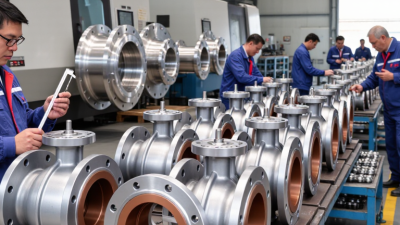
| 4 | Assess supplier production capability | Manufacturing scope, machining capacity, assembly controls, testing equipment, quality personnel, and production lead time. | A reliable supplier should provide a clear process from raw-material inspection through assembly, testing, preservation, and shipment. | Quality manual, process flow chart, equipment list, inspection plan, audit report, and recent non-confidential test records. | Use a supplier questionnaire and, for critical projects, arrange a remote or on-site quality audit before order placement. |
| 5 | Compare total cost of ownership | Purchase price, actuator, accessories, inspection, packaging, freight, duties, installation, maintenance, and expected replacement parts. | The lowest quotation may become more expensive when special testing, expedited freight, spare parts, or import charges are added. | Itemized quotation, Incoterms, packing dimensions, estimated shipment weight, tariff classification, and spare-parts price list. | Build a landed-cost comparison using the same specification, delivery term, currency, warranty period, and inspection scope. |
| 6 | Confirm actuation and control requirements | Manual lever or gearbox, pneumatic or electric actuator, torque margin, fail position, control signal, duty cycle, and enclosure rating. | Actuator sizing should account for seat friction, differential pressure, safety factor, and the required open-close frequency. | Torque calculation, actuator datasheet, wiring diagram, control philosophy, limit-switch details, and functional test report. | Require confirmation that the actuator can operate the valve at the maximum specified differential pressure. |
| 7 | Review inspection and testing scope | Shell test, seat leakage test, dimensional inspection, visual inspection, coating checks, actuator testing, and witness or hold points. | The inspection level should reflect service criticality; essential isolation valves generally require more documentation than non-critical utility valves. | Inspection and test plan, pressure-test certificates, calibration certificates, inspection release note, and nonconformance records if applicable. | Define acceptance criteria and third-party inspection requirements in the purchase order, not after production is complete. |
| 8 | Check documentation and traceability | Valve identification, serial numbers, heat numbers, material traceability, revision control, operating instructions, and preservation details. | Each valve should be traceable from the nameplate and packing list to the relevant inspection and material records. | General arrangement drawing, data sheet, manual, certificates, packing list, nameplate photograph, and spare-parts recommendation. | Make document submission and approval a contractual milestone linked to payment or shipment release. |
| 9 | Evaluate delivery and export readiness | Manufacturing schedule, inspection date, packing method, moisture protection, shipping marks, export documents, and logistics responsibility. | Lead time should distinguish engineering approval, production, testing, packing, and transport; these are separate schedule activities. | Manufacturing schedule, commercial invoice, packing list, certificate of origin where needed, transport document, and insurance details. | Set a required delivery date, agreed delay notification process, and packaging standard suitable for the transport route and storage period. |
| 10 | Measure after-sales support | Warranty terms, response time, troubleshooting support, replacement parts, repair instructions, training, and claims procedure. | A practical warranty should state coverage, exclusions, claim documentation, response targets, and the method for handling defective components. | Warranty certificate, service contact list, troubleshooting guide, recommended spare-parts list, and replacement lead times. | Score after-sales support separately and obtain written service commitments before approving the supplier. |
Note: Specifications, standards, testing requirements, and costs should be confirmed against the project datasheet, applicable regulations, and the final purchase contract.
© Shipham Valves 2025. All Rights Reserved.
Website By PS Website Design Ltd
Request a Quote/Further Information
Download
We use cookies on this website, by continuing to browse the site you are agreeing to our use of cookies. Find out more.