2026 Top Floating Ball Types for Global Buyers

Global buyers entering the 2026 valve market need more than a list of products. They need a clear way to compare floating ball designs, materials, pressure ratings, and operating conditions. A floating ball valve uses line pressure to press the ball against the downstream seat. This simple action can provide reliable shutoff in water, oil, gas, and many industrial services.

Philip L. Skousen, author of Valve Handbook, offered a practical selection principle: “Select the valve for the service, not simply for its price.” That advice remains relevant. A carbon steel floating ball may suit ordinary process lines, while stainless steel is often better for corrosive fluids. PTFE seats can support clean, low-friction operation, but temperature limits still matter. The details decide performance.

Small errors become expensive.

This guide examines the top floating ball types expected to attract global buyers in 2026. It considers one-piece, two-piece, and three-piece bodies, along with reduced-port and full-port configurations. It also reviews fire-safe features, anti-static design, locking handles, and automated actuation. These features may look minor on a product page. They are not minor in a crowded plant, where a leaking joint can stop production.

Real purchasing decisions are rarely perfect. A lower-cost valve may appear attractive, yet its seat material or certification may not match the service. Buyers should verify pressure-temperature charts, end connections, testing documents, and traceability before ordering. Specifications can be misunderstood. That is why this overview focuses on practical comparison, not marketing language alone.
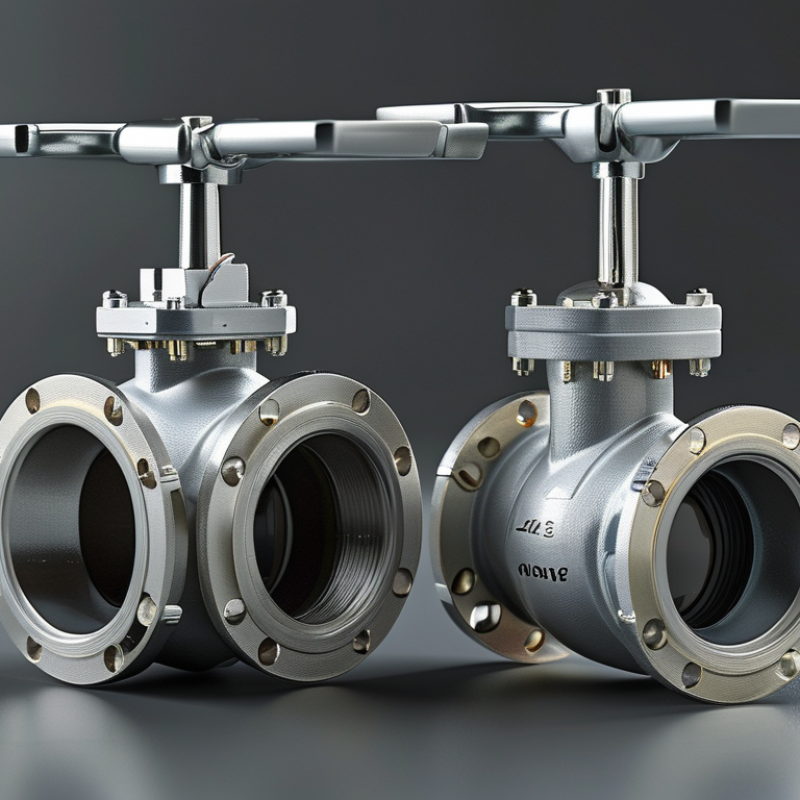
2026 Top Floating Ball Types for Global Buyers

What Are Floating Balls and How Do They Work?

2026 Top Floating Ball Types for Global Buyers

Floating balls are lightweight spheres designed to rest on a liquid surface. Their buoyancy comes from trapped air or low-density materials. When placed in a tank, they form a moving layer above the liquid. This layer can reduce evaporation, sunlight exposure, heat transfer, and surface contamination. The balls move as the liquid level changes. They also separate around pipes, walls, and filling equipment.

Common types include hollow plastic balls, foam-filled balls, and corrosion-resistant metal balls. Hollow plastic models are often economical and easy to handle. Foam-filled designs can remain afloat after minor surface damage. Metal options offer stronger resistance in demanding industrial environments. However, higher weight may increase handling and shipping costs. Material selection should match the liquid, temperature, ultraviolet exposure, and cleaning method.

A reliable buyer should request density data, diameter tolerance, chemical-resistance information, and aging-test results. Check whether the balls maintain coverage during pumping and wind movement. In real tanks, perfect coverage is difficult. Turbulence can create temporary gaps. Smaller balls may cover irregular spaces better, but they can complicate removal. Larger balls are easier to collect, yet they may leave wider openings near tank fittings. Practical trials with the actual liquid often reveal problems that product sheets miss. Safety access, inspection, and replacement planning also deserve attention.


2026 Top Floating Ball Types for Global Buyers

Floating balls are hollow or low-density spheres used for liquid coverage, level indication, tank sealing, and buoyancy applications. The chart compares typical reference densities of common materials with water.

A material or sealed ball floats when its overall average density is lower than water. Polypropylene and HDPE naturally have densities below water, while PVC, EPDM rubber, and stainless steel usually require a hollow, sealed, or specially foamed construction. According to Archimedes’ principle, the displaced water creates an upward buoyant force equal to the weight of the displaced water. Actual performance also depends on ball diameter, wall thickness, trapped air, liquid density, temperature, and surface conditions.

Reference values are approximate material densities at room temperature; actual product specifications may vary.

Which Materials Are Used in Floating Ball Manufacturing?

Floating ball valves rely on carefully selected materials for sealing, strength, and reliable movement. Common ball materials include stainless steel, carbon steel, brass, bronze, and engineered plastics such as PTFE, PEEK, and reinforced nylon. Stainless steel performs well in corrosive water, chemical, and food-processing environments. Carbon steel offers strength and cost efficiency for general industrial service.

Plastic components remain important where low weight and chemical resistance matter. PTFE seats reduce friction and support tight shutoff, while PEEK can tolerate higher temperatures and mechanical loads. However, plastic is not automatically the safer choice. Temperature, pressure, fluid chemistry, and abrasion must be checked together. A poor material match may cause swelling, cracking, or leakage.

Industry demand supports this material diversity. Grand View Research reported that the global industrial valves market was valued at approximately USD 77 billion in 2023, with continued growth expected through 2030. ISO 17292 and API 6D also emphasize pressure testing, dimensional control, and material traceability for industrial ball valves. These standards do not replace engineering judgment. They guide it.

In practical production, manufacturers often combine a metal ball with a polymer seat and corrosion-resistant stem. That balance can reduce torque and extend service life. Yet every application is different. A material chart alone is insufficient. Temperature cycling and real-fluid testing still deserve attention.

What Are the Main Types of Floating Balls?

Floating balls serve different jobs, so buyers should match the design to the liquid, temperature, and contact conditions. Hollow plastic balls are lightweight and economical. They suit water tanks, evaporation-control systems, and chemical covers when the polymer resists the fluid. Solid foam balls offer stronger impact resistance, but they can absorb liquid if their outer skin is damaged. Stainless-steel balls provide higher strength and temperature stability. They are useful in valves, level-control devices, and industrial processing equipment.

Size and density also change performance. A larger ball creates more buoyancy but needs more storage space. A small ball responds faster to changing liquid levels. Rubber-coated or elastomer balls can improve sealing against uneven valve seats. However, coatings may swell or crack after long chemical exposure. This is where real operating records matter more than a catalog claim. Test samples first. Small differences in density can cause unstable movement.

Environmental data is becoming harder to ignore. The UNEP report Turning off the Tap states that global plastic pollution could fall by 80% by 2040 through reuse, recycling, and better product design. The World Bank’s What a Waste 2.0 projects municipal waste could reach 3.4 billion tonnes annually by 2050. These figures support recyclable polymer choices and longer service life. Still, recycled material is not automatically suitable for drinking-water contact or high-temperature service. Buyers should verify buoyancy, chemical compatibility, dimensional tolerance, and applicable safety documentation before approval.

How to Choose the Right Floating Ball for Different Applications?

Choosing the right floating ball starts with the medium, pressure, temperature, and operating frequency. A floating ball valve uses line pressure to push the ball against the downstream seat. This design often suits water, compressed air, fuel, and general chemical service. For higher pressures or larger diameters, a trunnion-mounted design may reduce operating torque. ASME B16.34 remains a key reference for pressure-temperature ratings, while API 6D supports pipeline valve selection and testing. Do not select by pipe size alone.

Seat material changes the result.

PTFE works well with many clean fluids and moderate temperatures. Reinforced PTFE or PEEK can better resist wear and pressure cycling. Metal seats are more suitable for abrasive media, but they may require tighter manufacturing control. For cryogenic service, verify low-temperature impact performance and stem sealing. ISO 15848-1 provides a useful framework for fugitive-emission testing. Recent industrial-valve market reports also place oil and gas, water, and chemical processing among the largest demand sectors, showing how widely applications differ. Market size is useful context, not a design answer.

Tips:

Write down the fluid, concentration, pressure range, temperature, flow direction, and number of cycles. Check whether the valve must throttle or only isolate. Floating valves are not always ideal for continuous throttling. A small mistake in seat selection can cause leakage, torque growth, or early shutdowns. Ask for test records, material certificates, and pressure data. No selection chart is perfect. Field conditions often expose what catalog tables miss.

What Quality Standards Should Global Buyers Check?

For 2026 floating ball valve purchases, global buyers should check quality before comparing prices. A 2024 industrial valve market assessment by Grand View Research valued the sector at about USD 78 billion in 2023. This scale increases the risk of inconsistent specifications. Confirm the valve’s design against API 6D or an equivalent standard. Check pressure class, face-to-face dimensions, body material, and ball finish. The nameplate should match the test documents.

Ask for pressure-test records based on ISO 5208. These records should show shell and seat-test pressure, duration, medium, and leakage result. For hazardous or low-emission service, review ISO 15848-1 fugitive-emission data. Stem sealing deserves close attention. A dry stem, uneven packing, or rough movement can reveal poor assembly. Small details matter.

Material certificates should identify heat numbers and traceability. For sour environments, verify compliance with NACE MR0175/ISO 15156, where applicable. Fire-safe service may require API 607 testing. Do not accept “tested” without a report number and acceptance class. A recurring inspection lesson is simple: paperwork can look perfect while machining remains average. Buyers should sample key dimensions, inspect cavity relief, and operate the valve through several cycles. The final specification may still need revision after field feedback. That is not failure; it is quality control working properly.

2026 Top Floating Ball Types for Global Buyers - What Quality Standards Should Global Buyers Check?
Floating Ball Type Typical Application Common Size Range Typical Pressure Classes Typical Bore and Seat Design Primary Quality Standards to Check Key Buyer Inspection Points
Two-Piece Side-Entry Floating Ball Valve General isolation for water, hydrocarbons, compressed air, gas and non-corrosive process fluids. DN15–DN300
(NPS ½–12)
ASME Class 150, 300 and 600; PN16–PN100 configurations are also common. Full-bore or reduced-bore; resilient seats commonly made from PTFE or reinforced PTFE. API 6D ASME B16.34 ISO 17292 ASME B16.5 Verify body-wall thickness, pressure boundary material, stem retention, seat leakage, hydrostatic shell testing and gas-seat testing where specified.
Three-Piece Floating Ball Valve Skid systems, instrumentation, chemical lines and applications requiring easy cleaning or in-line maintenance. DN8–DN100
(NPS ¼–4)
ASME Class 150–600; PN16–PN63 is common. Usually reduced-bore or full-bore; bolted body with replaceable seats and seals. ASME B16.34 ISO 17292 API 598 EN 12266-1 Check body-bolt material and tightening, anti-blowout stem construction, body-joint sealing, dimensional interchangeability and seat replacement quality.
Full-Bore Floating Ball Valve Pipeline isolation, piggable lines, high-flow services and systems where pressure loss must be minimized. DN25–DN300
(NPS 1–12)
ASME Class 150–600; higher ratings depend on design and size. Port diameter closely matches the connected pipe bore; soft or metal-reinforced soft seats may be used. API 6D ISO 17292 ASME B16.10 API 598 Confirm actual port diameter, face-to-face dimensions, allowable pressure-temperature rating, internal cleanliness and suitability for pipeline pigging.
Reduced-Bore Floating Ball Valve Utility services, process isolation and applications where compact size, lower weight or reduced cost is important. DN15–DN300
(NPS ½–12)
ASME Class 150–600; PN16–PN100 configurations are available. Smaller ball port than the nominal pipeline bore; typically provides higher flow resistance than a full-bore design. ASME B16.34 ISO 17292 ASME B16.10 API 598 Compare the calculated pressure drop with the process requirement; verify the marked bore, flow direction where applicable and pressure-temperature derating.
Soft-Seated Floating Ball Valve Clean liquids, natural gas, air, water and many general chemical services within the seat-material limits. DN15–DN300
(NPS ½–12)
ASME Class 150–600; temperature capability depends strongly on seat material and pressure. PTFE, reinforced PTFE, PEEK or other engineered polymer seats; normally intended for tight shutoff. API 6D ISO 17292 API 607 ISO 15848-1 Check seat compatibility with temperature, pressure, chemicals and additives; request leakage class or test results and verify low-emission stem sealing when required.
Metal-Seated Floating Ball Valve High-temperature, abrasive, erosive or service conditions that can damage polymer seats. DN25–DN200
(NPS 1–8)
ASME Class 150–600 and selected higher-pressure designs. Metal-to-metal seating, often with hard-facing or carbide-based surface treatment; shutoff performance depends on design and service. API 6D ASME B16.34 API 6FA API 598 Review allowable leakage criteria, coating hardness and thickness, ball-seat lapping, particle tolerance, thermal expansion allowance and high-temperature pressure rating.
Fire-Safe Floating Ball Valve Hydrocarbon, fuel-gas and other flammable-fluid services where external fire exposure must be addressed. DN15–DN300
(NPS ½–12)
ASME Class 150–600 is widely used; rating depends on body, trim and temperature. Usually soft-seated with secondary metal-to-metal sealing or fire-resistant design features. API 607 API 6FA ISO 10497 API 6D Require a valid fire-test report for the exact design family; inspect anti-static continuity, stem secondary sealing, gland construction and post-fire operability.
Cryogenic Floating Ball Valve Liquefied natural gas, liquid nitrogen, oxygen, argon and other low-temperature services. DN15–DN150
(NPS ½–6)
ASME Class 150–600; rating must be confirmed at the specified cryogenic temperature. Extended bonnet, low-temperature materials, polymer seats selected for cryogenic use and controlled thermal contraction. BS EN 1626 ASME B16.34 API 6D ISO 15848-1 Verify impact toughness, material certificates, cleaning for oxygen or cryogenic service where applicable, bonnet length, thermal-cycle testing and low-temperature leakage.
Anti-Static Floating Ball Valve Flammable liquid and gas services where electrostatic charge dissipation is required. DN15–DN300
(NPS ½–12)
ASME Class 150–600; project specifications may require additional electrical resistance limits. Conductive ball, stem and body path with springs or other anti-static provisions. ISO 17292 API 6D ASME B16.34 Request continuity and resistance test records; verify electrical contact after assembly, coating application and repeated operation.
Low-Emission Floating Ball Valve Natural gas, volatile organic compound control and process services with strict fugitive-emission limits. DN15–DN300
(NPS ½–12)
ASME Class 150–600; temperature and cycle limits must be stated in the test documentation. Live-loaded or high-integrity stem packing, optimized stem finish and controlled manufacturing tolerances. ISO 15848-1 ISO 15848-2 API 624 API 641 Check the applicable test class, temperature, mechanical cycles, methane or helium test medium, packing arrangement and documented emission rate.
Corrosion-Resistant Floating Ball Valve Seawater, sour gas, acidic fluids, chloride-containing media and aggressive chemical services. DN15–DN300
(NPS ½–12)
ASME Class 150–600; material and temperature determine the final rating. Stainless steel, duplex, nickel-alloy or corrosion-resistant trim; seat and seal materials selected for the process fluid. NACE MR0175 / ISO 15156 NACE MR0103 API 6D EN 10204 Confirm fluid composition, hydrogen sulfide exposure, chloride level, material grade, hardness limits, heat-treatment records, PMI results and corrosion allowance.
Buyer reference: Nominal size and pressure ranges shown above are typical industry configurations, not universal limits. Final selection should be based on the valve datasheet, pressure-temperature chart, applicable piping code, fluid compatibility, leakage requirement and project specification.

Request a Quote/Further Information

    Download