Choosing the best fire protection system in 2026 starts with risk, not a product label. A warehouse with high racks, a hotel corridor, and a commercial kitchen face different fire scenarios. For buyers, reliable fire protection means detection, notification, suppression, and monitoring working together under real operating conditions. No single system fits every building.
NFPA’s Fire Loss in the United States During 2023 report estimated 1.389 million fires nationwide. These fires caused 3,670 civilian deaths and $23.2 billion in direct property damage. The figures make one point clear: prevention and early response matter. They do not, by themselves, prove that one technology is best.
A practical comparison should examine detection speed, coverage, compatibility, service access, and documented testing. Look closely at the details. Will alarms remain audible in a noisy plant? Can technicians inspect concealed sprinkler piping? Does the suppression method suit the equipment and materials in the room? NFPA guidance and manufacturer documentation can help buyers frame these questions, while qualified fire protection professionals can assess site-specific risks.
Price still matters. But a low purchase cost may hide difficult maintenance, limited parts availability, or system changes later. Some trade-offs are easy to miss. Buyers should compare lifecycle costs and request clear evidence of testing, certifications, and service support. Even a well-designed system can underperform when inspections are missed or staff do not understand alarms. The strongest choice is the one matched to the building, maintained consistently, and supported by verifiable technical information.
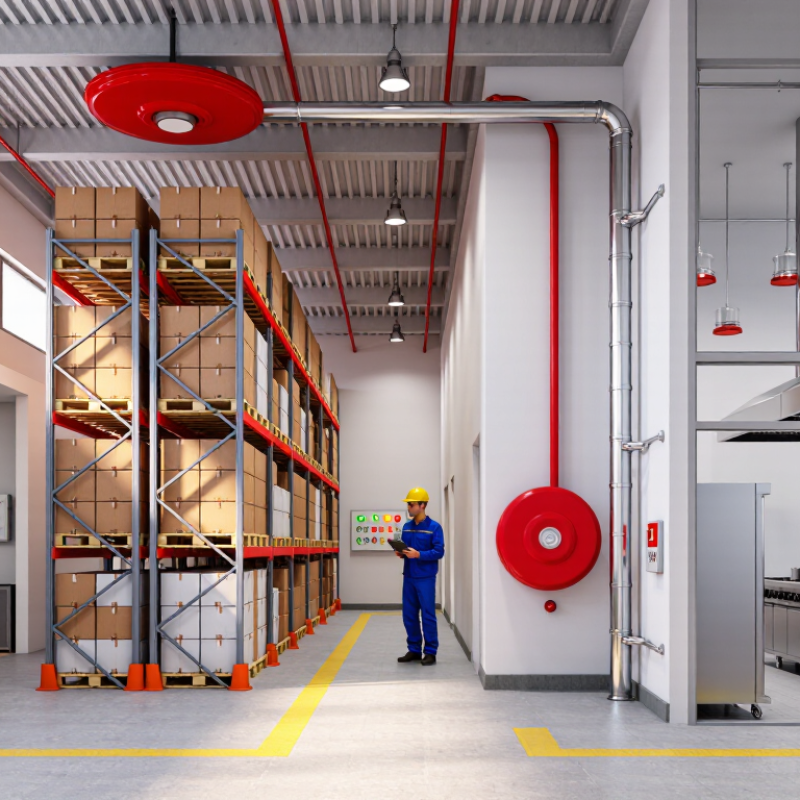
Fire protection starts with detecting a developing fire early. Smoke detectors sense airborne particles, while heat detectors respond to rising temperatures. In some settings, flame detectors identify specific light patterns. A control panel receives these signals and checks them against programmed conditions. Then it can activate alarms or send a signal to a monitoring service.
Small details matter. A detector placed near a supply vent may respond differently because airflow can carry smoke away. Dust, steam, or cooking aerosols can also trigger unwanted alarms. System design should reflect the building’s layout, occupancy, and likely fire hazards, rather than rely on a standard device count. No system is flawless.
Once a fire is detected, control measures help limit danger and support evacuation. Audible and visual alarms alert occupants; connected systems may also close fire doors, manage ventilation, or signal emergency responders. Sprinkler heads typically operate individually when heat reaches their activation point, helping control fire near its source. Other hazards may need a different suppression approach. Regular inspections and functional tests can reveal blocked heads, weak batteries, or faulty connections. A plan may look sound on paper, yet maintenance gaps can undermine it.
Buyers in 2026 can choose among active and passive fire protection systems. Automatic sprinklers detect heat and discharge water near the fire; fire alarms detect smoke or heat and alert occupants. NFPA’s 2021 U.S. Experience with Sprinklers report found that civilian death rates were 89% lower in reported fires in properties with sprinklers than in properties without them. That is a strong reason to assess coverage, water supply, and maintenance—not just equipment price. Fit matters.
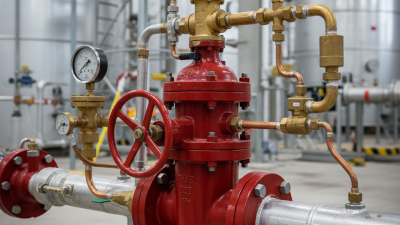
Other options serve different risks. Standpipes provide firefighters with water connections in taller buildings, while clean-agent or water-mist systems may suit rooms where water could damage sensitive equipment. Their performance depends on room layout, hazard assessment, and correct installation. Passive protection works differently: fire-rated walls, doors, and sealed penetrations help slow fire and smoke spread. Not every room needs the same package.
Before buying, map likely ignition sources, occupancy, ceiling height, and critical equipment. Ask for a design basis, inspection schedule, and clear explanation of system limits. A detector alone does not suppress a fire; a sprinkler alone may not warn occupants soon enough. I would also check whether alarms, suppression, and building controls can communicate reliably. That detail is easy to overlook, and real buildings are rarely as tidy as drawings.
2026 Best Reliable Fire Protection Systems for Buyers?
A reliable fire protection system does more than sound an alarm. It detects danger early, alerts people clearly, and supports a safe response. Choose smoke, heat, or flame detectors that suit the building’s actual risks. A kitchen, warehouse, and office do not need identical sensing. Devices should communicate with a control panel, while audible and visible alarms remain noticeable in noisy rooms. Backup power matters, too. During an outage, the system should keep operating for its specified duration and show faults clearly.
Suppression equipment must match the hazards and room layout. Sprinklers, clean-agent systems, and other options each have limits; poor placement can leave blind spots. Ask for design documents, commissioning records, and a clear maintenance schedule. Reliable equipment is also serviceable: parts are accessible, labels are legible, and test results can be recorded. Qualified professionals should handle installation and inspection. Even well-designed systems can underperform when sensors are dirty or staff do not know the alarm plan. Details matter.
Tips: Walk the building during selection. Check alarms behind closed doors, exit visibility, and whether the panel identifies the affected zone. Request a demonstration, not just a brochure. Revisit the plan after renovations; this step is easy to miss.
A reliable fire protection system begins with a site-specific assessment, not a generic equipment list. The design should reflect the building’s use, layout, occupancy, and likely fire hazards. Check that proposed components meet applicable safety standards and local requirements. A qualified fire protection professional can confirm coverage, water supply, alarm audibility, and access for emergency responders. Small details matter. A storage rack moved beneath a sprinkler head may obstruct water coverage.
Installation quality is just as important as equipment selection. Pipes, detectors, alarms, and control panels must be installed and tested according to approved plans and manufacturer instructions. Ask for commissioning records and clear guidance on system limits. Keep records. Ongoing maintenance should follow local rules and the equipment’s service schedule, with inspections and tests documented by competent personnel. Staff should know how to report faults and recognize warning signals. A system can look ready while a shut valve or disconnected detector quietly undermines protection. That is easy to miss. Review maintenance logs, investigate recurring faults, and reassess the design after renovations or changes in building use. Fire protection is not a one-time purchase; it depends on consistent care.
| System Type | Typical Applications | Relevant Standards and Codes | Installation Considerations | Ongoing Maintenance | Buyer Reliability Checks |
|---|---|---|---|---|---|
| Automatic sprinkler system | Many commercial, residential, storage, and industrial buildings; system design depends on occupancy and hazard. | NFPA 13; inspection, testing, and maintenance of water-based systems are addressed by NFPA 25. Local building and fire codes also apply. | Requires a hazard-based hydraulic design, suitable water supply, correctly located sprinklers, and coordination with ceilings, storage, and building services. | Inspect, test, and maintain components at the intervals required by the adopted code and applicable standard; keep valves accessible and in their required position. | Confirm water-supply capacity, design documentation, alarm and supervisory connections, valve monitoring, and access for future inspections. |
| Fire alarm and detection system | Buildings needing automatic fire detection, occupant notification, or monitoring of fire-protection equipment. | NFPA 72; applicable building and fire codes determine required system features and coverage. | Detector and notification-device placement should reflect the building layout, environmental conditions, audibility or visibility needs, and emergency response plan. | Test and inspect devices, power supplies, signaling pathways, and monitored functions as required by the adopted code and standard; document impairments and corrective work. | Check standby power, fault and trouble reporting, system zoning or addressability, monitoring arrangements, and compatibility with other life-safety systems. |
| Portable fire extinguishers | Accessible first-response protection for incipient fires, with extinguisher type selected for the potential fire classes and site risks. | NFPA 10; workplace requirements may also be set by applicable occupational-safety rules and local codes. | Choose type, size, number, and placement based on hazards and travel distance requirements; keep units visible and unobstructed. | Perform required visual inspections, maintenance, and testing; check accessibility, pressure or charge indication where applicable, physical condition, and service records. | Verify the extinguisher is rated for the identified hazard, properly mounted, clearly identified, and supported by a documented inspection program. |
| Fire pump and water-supply equipment | Sites where the available water supply or pressure requires pumping to serve sprinklers, standpipes, or other fire-protection systems. | NFPA 20 addresses stationary fire pumps; NFPA 25 addresses inspection, testing, and maintenance of water-based fire-protection systems. | Confirm the water source, required flow and pressure, pump-room conditions, power or driver arrangements, and coordination with the connected systems. | Conduct inspections and performance tests at intervals required by applicable standards; maintain drivers, controllers, water supplies, and records. | Review documented flow and pressure data, power reliability, controller status, test arrangements, and any dependencies on a single water or energy source. |
| Standpipe system | Certain multi-story or large buildings where firefighters need hose connections at designated locations. | NFPA 14; inspection, testing, and maintenance requirements may also be addressed by NFPA 25 and local codes. | Design must account for building height, hose-valve locations, water supply, pressure needs, and access for fire-service operations. | Inspect and test valves, piping, water supply, and related equipment at required intervals; keep connections accessible and clearly identified. | Confirm the system type and design basis, connection locations, pressure availability, and coordination with the fire department and building plans. |
| Clean-agent suppression system | Selected enclosed spaces with sensitive equipment or contents where an engineered gaseous agent may be appropriate. | NFPA 2001; fire alarm, building, environmental, and occupational-safety requirements may also apply. | Requires an engineered design for the protected hazard and enclosure; assess room integrity, agent concentration, occupant safety, and alarm sequences. | Inspect and maintain cylinders, piping, detection, controls, alarms, and enclosure features according to the adopted standard and system documentation. | Verify the agent is suitable for the hazard, the enclosure can retain the required concentration, and personnel evacuation and warning measures are addressed. |
| Commercial kitchen hood suppression | Commercial cooking equipment, hoods, and associated grease-removal areas. | NFPA 17A addresses wet chemical extinguishing systems; NFPA 96 addresses ventilation control and fire protection of commercial cooking operations. | Nozzles and detection must match the protected appliances and hood arrangement; coordinate fuel or power shutoff and manual actuation. | Arrange required system inspections and maintenance, and keep the hood, filters, and ducts clean in accordance with applicable requirements. | Check that appliance changes trigger a system review, the manual release is accessible, and suppression actuation is coordinated with cooking-fuel controls. |
Selection note: No single system is best for every building. Confirm the applicable code editions and local amendments with the authority having jurisdiction, and use qualified fire-protection professionals for design, installation, inspection, testing, and maintenance.
Choosing a fire protection system begins with the building, not the price tag. A warehouse with high racks has different risks from a small office or apartment block. Consider occupancy, fire hazards, ceiling height, water supply, and how quickly people can evacuate. NFPA’s U.S. fire-loss estimates for 2023 report about 1.39 million fires and $23 billion in direct property damage. That scale matters. A suitable design may combine detection, alarms, sprinklers, or specialized suppression, depending on the site and applicable local codes.
Compare total ownership costs, not just installation quotes. Include design, equipment, water or electrical upgrades, inspections, testing, and future repairs. Ask qualified fire-protection professionals to explain what each option covers, what it cannot protect, and how maintenance affects performance. Request itemized bids and check that proposed equipment suits the building’s actual hazards. Even a tidy budget can miss costly upgrades. That deserves a second look.
Tips: Walk the building before comparing systems. Photograph blocked exits, unusual storage, and areas with limited water access. Keep a reserve for maintenance, and confirm who will arrange routine testing. If a system is temporarily out of service, ask for a clear response plan.
Compare common automatic sprinkler system configurations to help match a system to your building conditions and budget.
The chart compares typical design characteristics, not reliability rankings: 1 means “Yes” and 0 means “No.” Wet systems keep water in the piping; dry and preaction systems typically keep it out until activation. Deluge systems use open outlets that discharge together when the deluge valve opens. Actual designs vary, so consult a qualified fire-protection professional and applicable codes before choosing a system.
© Shipham Valves 2025. All Rights Reserved.
Website By PS Website Design Ltd
Request a Quote/Further Information
Download
We use cookies on this website, by continuing to browse the site you are agreeing to our use of cookies. Find out more.