Best Double Offset Butterfly Valve Buying Guide?
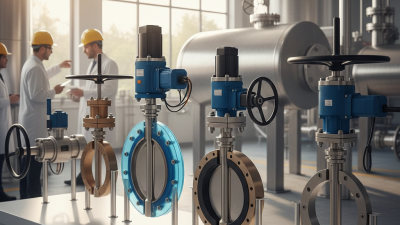
When considering the best double offset butterfly valve, expertise is crucial. Industry expert Dr. Emily Thompson states, "Choosing the right valve can significantly impact operational efficiency." This statement reflects the vital role of the double offset butterfly valve in various applications.
The double offset butterfly valve is known for its superior sealing capabilities and reduced friction. This design minimizes wear and prolongs valve life, making it essential in demanding environments. However, not all valves are created equal. The variations in materials, sizes, and pressure ratings can lead to confusion.
It is important to evaluate your specific needs. Are you dealing with high temperatures or corrosive fluids? An ill-suited valve can lead to failures and costly repairs. Reflecting on past mistakes can guide your current choice. Careful consideration and expert advice are paramount for making an informed decision.
Understanding Double Offset Butterfly Valves and Their Benefits
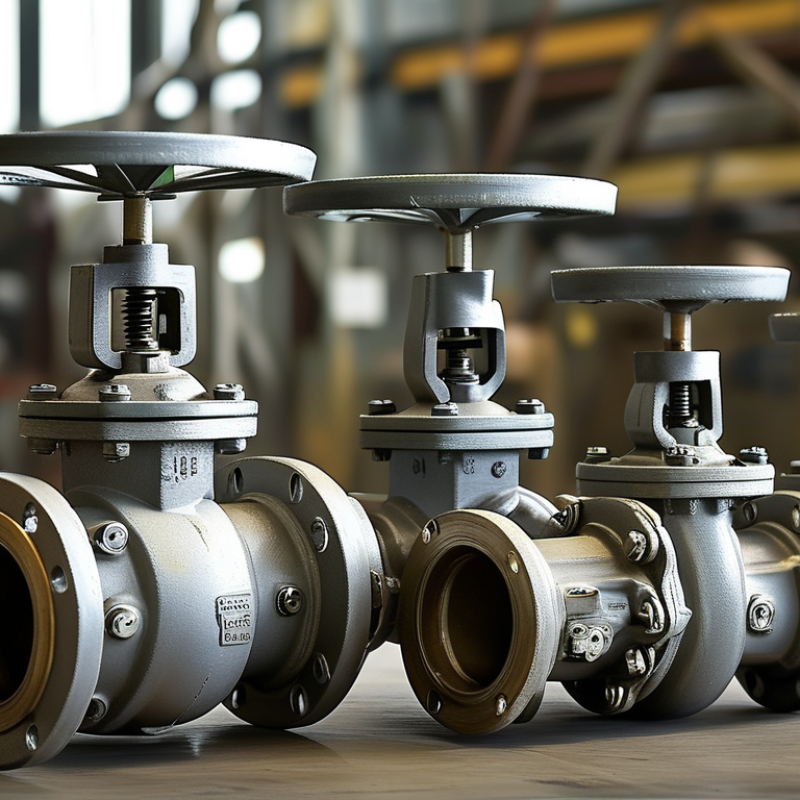
Understanding double offset butterfly valves is essential for effective fluid control. These valves feature two offset stems, allowing for a tight seal when closed. This design reduces wear and tear, enhancing durability. Many industries benefit from their efficiency, which leads to reduced maintenance costs and improved performance. Users appreciate how they prevent flow turbulence, resulting in lower energy consumption.
When choosing a double offset butterfly valve, consider the sealing materials. The right choice ensures compatibility with various fluids. Look for options that tolerate temperature and pressure extremes well. Proper sizing is equally important. An oversized valve can lead to inefficiencies, while an undersized one can restrict flow, causing pressure drops.
Evaluate the installation environment. Harsh conditions require robust materials. Regular inspections help identify wear and tear early. Always check for leaks, as they indicate potential failures. Remember, even with quality valves, installation mistakes can lead to significant issues. Regular training and updates on best practices can greatly reduce these risks.
Comparison of Different Types of Butterfly Valves
Key Features to Consider When Buying Double Offset Butterfly Valves
When considering a double offset butterfly valve, several key features are essential. Start with the construction material. Valves made from stainless steel or carbon steel offer durability and corrosion resistance. The choice between these materials impacts the valve's longevity and performance in different environments. For industrial applications, robust materials can prevent leaks and ensure reliability.
Next, focus on the valve's design specifics. A double offset design allows for higher sealing efficiency. This feature enables easier operation and reduced wear on the seals. Look for valves with a streamlined flow path. This design minimizes pressure loss and enhances flow characteristics. Understand the valve seat’s material as well. Choices like PTFE provide excellent sealing capabilities but must suit your application’s temperature and pressure requirements.
Don't overlook the size and connection type. Ensure compatibility with existing piping systems. Many users mistakenly select the wrong size, leading to installation issues. Consider the operational torque as well. A valve that requires excessive torque may not perform reliably over time. This can lead to maintenance complications and increased operational costs. Always weigh the details carefully before making a purchase.
Best Double Offset Butterfly Valve Buying Guide - Key Features to Consider
| Feature |
Details |
| Valve Type |
Double Offset |
| Body Material |
Cast Iron, Stainless Steel, PVC |
| Size Range |
2" to 48" |
| Temperature Range |
-20°F to 300°F |
| Pressure Rating |
150 psi to 300 psi |
| Seat Material |
EPDM, PTFE, NBR |
| Connection Type |
Wafer, Lugged, Flanged |
| Actuation Method |
Manual, Electric, Pneumatic |
| Applications |
Water, Oil, Chemical Processing |
| Maintenance |
Low Maintenance, Easy to Service |
Materials and Construction Types for Enhanced Valve Longevity
When selecting a double offset butterfly valve, material choice significantly impacts durability and performance. Common materials include stainless steel, cast iron, and plastic composites. According to industry reports, stainless steel valves excel in corrosion resistance, making them ideal for harsh environments. These valves can last up to 25 years with proper maintenance, underscoring the importance of material selection.
The construction type also plays a crucial role in valve longevity. Double offset designs provide a unique advantage by minimizing wear on the sealing surfaces. This design allows for a tighter seal and reduces torque during operation. Research suggests that a well-constructed valve can handle pressure fluctuations effectively, reducing the long-term costs associated with frequent replacements.
Should the wrong materials be chosen, the consequences can be severe. For example, using subpar coatings may lead to premature failure, especially in corrosive applications. Thus, understanding the specific needs of the application is vital. Proper material and design choices can make a substantial difference in performance and lifespan. Investing in quality is an important consideration for any operation aiming for reliability.
How to Properly Size a Double Offset Butterfly Valve for Your Application
When sizing a double offset butterfly valve, understanding your application is crucial. Start by determining the pipe diameter. Obtain accurate measurements because improper sizing causes inefficiencies. The valve's size significantly impacts flow rate and pressure loss. Use a flow calculator to estimate the required specifications.
Consider the material of the valve as well. It must be compatible with your fluid. For corrosive substances, select robust materials. Sometimes, this leads to delayed procurement. Remember the importance of pressure rating. Valves must withstand the specific pressure in your system. Evaluating the operating environment can help identify potential risks, ensuring longer valve life.
Don’t ignore the need for accessibility. A poorly placed valve complicates maintenance efforts. Think about future changes in your system as well. A valve that's too small may not meet growing demands. Balancing current needs and future projections is challenging yet essential. This reflection can prevent wasted resources and ensure seamless operations.
Maintenance Tips for Optimal Performance of Double Offset Butterfly Valves
Double offset butterfly valves are essential in various industries. Proper maintenance ensures their optimal performance. Regular inspection is crucial for detecting wear and tear. A study by the Valve Manufacturers Association states that well-maintained valves can operate efficiently for over 20 years. Neglecting maintenance could reduce their lifespan significantly.
Lubrication of the packing and disc is vital. Use suitable lubricants to minimize friction. This practice enhances the valve's sealing capabilities. Implementing routine cleaning schedules prevents debris accumulation. A clean valve operates more efficiently, promoting better flow dynamics. Properly aligning the valve also reduces unnecessary stress on components. Misalignment can lead to premature failure.
Monitor the operating temperature and pressure. Extreme conditions can degrade materials over time. Consistent monitoring can prevent issues before they escalate. Training staff on maintenance protocols is essential for prolonging valve life. Untrained personnel might overlook critical maintenance steps. Regular audits of maintenance practices help identify areas for improvement. Continuous learning about valve technology can enhance operational reliability.