What Is a Gas Brick Oven?

A Gas Brick Oven combines a gas burner with a masonry cooking chamber. The burner supplies controllable heat, while the brick floor and dome absorb and radiate it. That pairing can create a steady baking environment for pizza, bread, and roasted dishes. The flame is only part of the story.

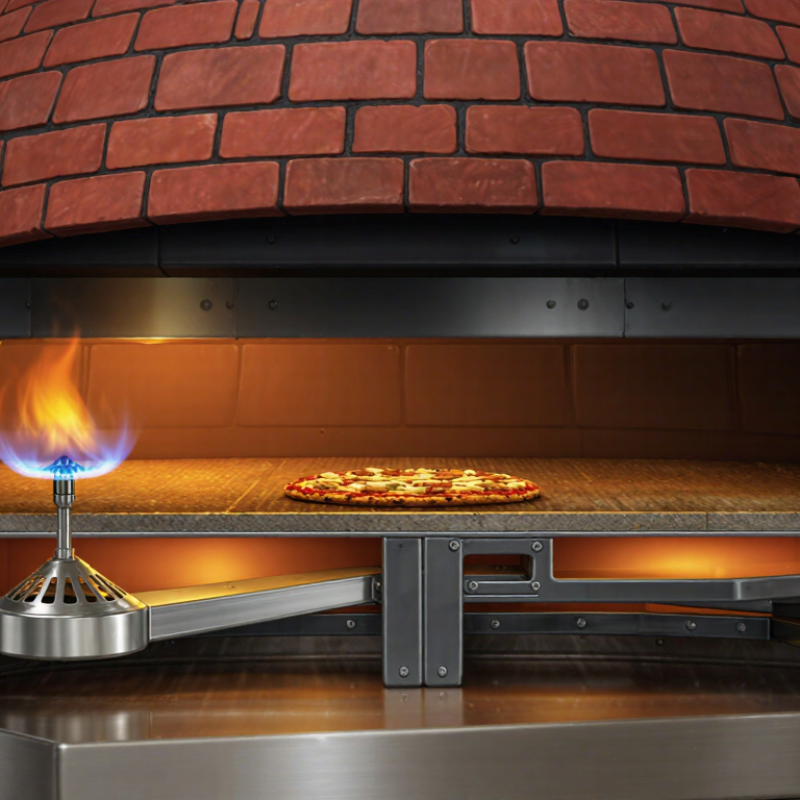
Think of a pizza placed on the hot floor. The base meets stored heat, while the dome directs radiant warmth toward the toppings. A visible flame can add intensity, but it does not guarantee an evenly heated oven. Stone thickness, insulation, burner placement, and preheating all matter. Small details count.

Unlike a wood-fired oven, a gas model does not require users to manage logs or ash. It can also offer simpler temperature adjustment. Yet “easy to control” does not mean “effort-free.” The brick still needs time to heat through, and opening the door too often can disrupt the chamber’s balance.

A useful design maxim is: “The flame heats; the brick holds.” No source was provided to verify this as a named Gas Brick Oven expert’s quotation, so it should not be attributed to one. That distinction matters. A reliable introduction should explain how the oven works without inventing authority. Still, performance varies between models, and a brick chamber alone cannot promise perfect results. The cook, the recipe, and the oven’s actual temperature all have a say.
What Is a Gas Brick Oven?

What a Gas Brick Oven Is and How It Works

A gas brick oven combines a gas burner with a heat-storing masonry cooking chamber. The burner supplies heat, while refractory bricks absorb and hold it. It still behaves like a masonry oven, even though gas replaces wood as the main fuel.

When the burner is lit, its flame warms the oven floor and curved inner dome. Hot gases rise and move across the chamber before leaving through a vent or chimney. Meanwhile, the bricks store heat and release it back toward the food. That radiant heat can help a pizza crust brown while its toppings cook. The oven needs time to warm through; a hot-looking flame alone does not mean the floor is ready.

Heat is not perfectly even. The area near the burner may run hotter, so cooks often rotate food and check its underside. A simple infrared thermometer can help reveal cooler patches across the floor. Gas controls make the flame easier to adjust, but they do not remove the need to manage heat. Venting and installation matter, too; follow the oven maker’s specifications and use a qualified professional where required. I would not assume every brick oven responds the same way. Chamber shape, brick thickness, and airflow all affect how it cooks.

Key Components and Materials of a Gas Brick Oven

A gas brick oven has several working layers: the cooking floor, dome, insulation, burner, and outer shell. The floor is usually made from dense refractory firebrick, which stores heat and gives dough a hot, steady surface. The curved dome uses refractory brick or castable refractory, materials designed to tolerate repeated high temperatures. Joints need refractory mortar; ordinary masonry mortar can crack under oven heat. Small cracks matter.

Insulation sits outside the hot face. Ceramic-fiber blanket or insulating refractory board helps keep heat inside, while a weather-resistant shell protects the assembly. The burner and gas train must be matched to the oven’s size, with a flue that carries combustion products safely outdoors. In practice, insulation thickness and burner placement deserve careful checking; a beautiful dome can still heat unevenly.

The U.S. EPA’s 2024 GHG Emission Factors Hub assigns natural gas combustion 53.06 kilograms of carbon dioxide per MMBtu. That figure is fuel-use data, not an oven-performance rating, but it shows why burner efficiency and operating time matter.

A qualified installer should verify clearances, ventilation, and local requirements. I’d still inspect mortar joints after the first few heating cycles.

How Gas Heat Cooks Food in a Brick Oven

What Is a Gas Brick Oven?
How Gas Heat Cooks Food in a Brick Oven

A gas brick oven uses a burner to heat the cooking chamber. Hot gases warm the brick floor and dome, which store heat and radiate it toward the food. Heat also moves through circulating air and directly into food touching the oven floor. These three processes—radiation, convection, and conduction—work together. A browned crust forms where the dough meets the hot brick, while the dome’s radiant heat cooks the top. Gas provides adjustable heat, but the masonry responds more slowly than the flame. That delay matters. A steady burner setting does not guarantee an evenly heated floor.

Give the oven time to preheat, then check the floor with an infrared thermometer. Rotate food if one side browns faster; burner placement and airflow can create hot spots. A small practical caveat: surface color alone cannot confirm that thicker foods are safely cooked. USDA FSIS guidance recommends checking internal temperature with a food thermometer, including 165°F for poultry and 145°F for whole cuts of beef, pork, and lamb, followed by a three-minute rest.

Tips: Keep the oven door closed between checks to limit heat loss. Dust excess flour from the peel; it can scorch on the brick. For meat, measure the thickest part, not the crust.

What Is a Gas Brick Oven? - How Gas Heat Cooks Food in a Brick Oven
Dimension How It Works What It Means for Cooking
Heat source A purpose-built gas burner uses natural gas or propane to create heat inside the oven. The oven must be designed and configured for the specific fuel type. The burner supplies heat without requiring a wood fire, while the cooking chamber and masonry provide the oven’s thermal environment.
Brick and refractory mass The refractory floor and dome absorb heat and release it gradually. Their performance depends on materials, thickness, insulation, and oven design. Stored heat helps maintain cooking temperatures and reduces rapid temperature changes when food is added.
Radiant heat The heated dome and oven walls radiate energy toward the food. Radiant heat cooks the top and sides, helping brown toppings and crust surfaces.
Conduction Food placed directly on the hot oven floor receives heat through contact. Conduction cooks and browns the underside of items such as pizza and flatbread. A floor that is too hot can scorch the base.
Convection Hot gases circulate through the cooking chamber, with their movement influenced by the burner and oven design. Moving hot air contributes to cooking around the food. The amount and pattern of circulation vary between ovens.
Temperature control Burner output can typically be adjusted, but controls and temperature response differ by oven model. Allow time for the masonry to heat through; changing the flame does not instantly change the temperature of the brick floor or dome.
High-heat pizza cooking Some gas-fired masonry ovens are designed for pizza cooking at roughly 370–480°C (700–900°F). Actual operating temperatures vary by oven and cooking method. Use the oven maker’s guidance and check floor and chamber temperatures with suitable instruments. These figures are indicative, not universal settings.
Cooking results Food receives heat from the hot floor, radiant masonry, and circulating hot gases at the same time. Cooking time and browning depend on temperature, food thickness, placement, burner setting, and how fully the oven has been preheated.

Common Types and Configurations of Gas Brick Ovens

What Is a Gas Brick Oven?
Common Types and Configurations of Gas Brick Ovens

A gas brick oven combines a gas burner with a refractory-brick cooking chamber. Direct-fired models place the flame inside the chamber, heating the oven floor and dome. They can produce strong top heat, though flame position affects browning. Indirect-fired designs keep combustion separate from the cooking space. They often offer steadier cooking, but may heat more slowly. Some ovens use hybrid systems, allowing gas to maintain heat while wood adds flavor. Results vary with insulation and operating habits.

Configurations range from compact, single-deck ovens for small kitchens to larger commercial models with broad cooking floors. A single chamber is simpler to manage. Stacked decks increase output but need careful heat balancing. Built-in ovens suit fixed kitchens; mobile units can be repositioned, but may sacrifice thermal mass. Check burner location, flue path, door opening, and clearance before choosing. These details affect heat distribution, ventilation, and how comfortably a cook can turn a pizza. Installation should be reviewed by a qualified oven or ventilation professional. A neat layout is not always a practical one.

Tips: Let the oven fully preheat, then check the floor with an infrared thermometer. Rotate food when one side colors faster. Small temperature swings are normal; note them before changing the flame. That takes judgment.

Common Gas Brick Oven Configurations

Indicative operating-temperature ranges by configuration and typical use. Actual temperatures vary with oven design, fuel settings, and cooking requirements.

Direct-fired ovens heat the chamber directly with a burner; indirect-fired designs heat it through a separate path. Multi-deck ovens provide separate baking chambers, often with adjustable heat by deck.

Typical Uses and Practical Considerations

A gas brick oven is commonly used for pizzas, flatbreads, and roasted vegetables. Its masonry floor stores heat, while a gas burner provides adjustable flame and temperature. For a busy kitchen, that control can make cooking times more predictable than relying only on a wood fire. Still, the oven needs time to preheat. A hot flame does not mean the brick floor is ready.

Check the floor temperature with a suitable thermometer before baking. If one side runs hotter, rotate the pizza and note where the flame sits. Small habits matter. Brick ovens also suit bread and slow roasting, but each food needs a different balance of heat and airflow. Insulation affects fuel use and how steadily the oven holds heat. Ventilation, burner servicing, and cleaning access deserve attention during installation, not after smoke or uneven cooking becomes a problem. Gas gives convenience, but it does not remove the need for practice. I would keep a simple temperature and cooking-time log; even experienced cooks can misjudge a newly installed oven.

Article Source:

Request a Quote/Further Information

    Download