Why Valve Ball Is Essential for Efficient Fluid Control Systems?
In the realm of fluid control systems, the valve ball plays a crucial role. It is the core component that regulates the flow. Without a reliable valve ball, the efficiency of a system suffers.
A valve ball ensures smooth operation in pipes and other equipment. Its shape allows for quick opening and closing. This is essential for processes that require precision. Any malfunction can lead to leaks or system failures.
The quality of the valve ball directly impacts operational costs. A subpar valve ball might need more frequent replacements. This leads to increased downtime and maintenance efforts. In industries relying on fluid control, such issues can be costly. Overall, the valve ball's functionality is a key factor in achieving efficiency.
Overview of Fluid Control Systems and Their Components
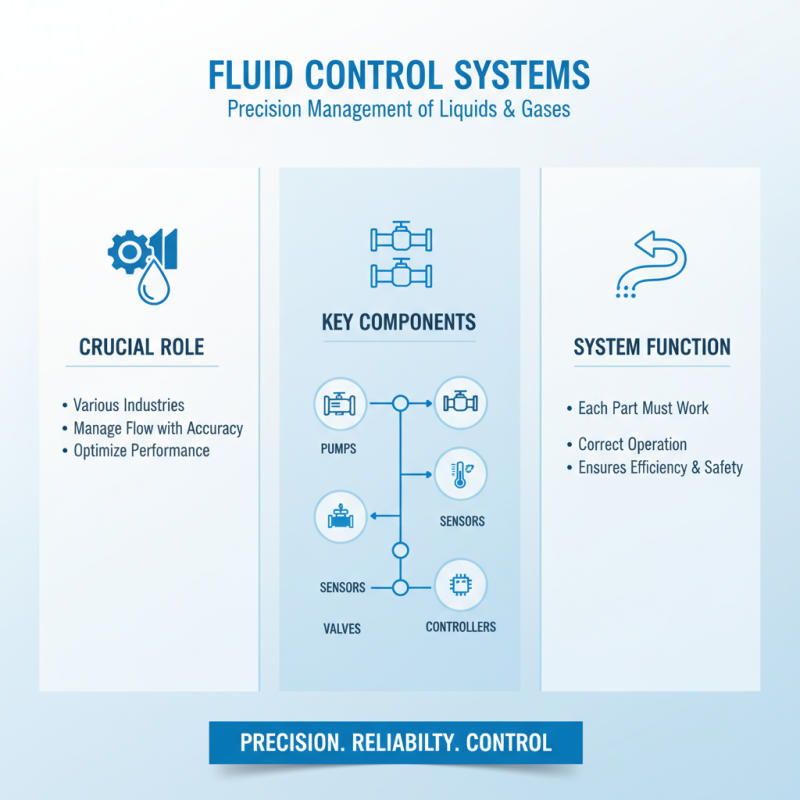
Fluid control systems play a crucial role in various industries. They manage the flow of liquids and gases with precision. These systems consist of several key components. Each part must function correctly for optimal performance.
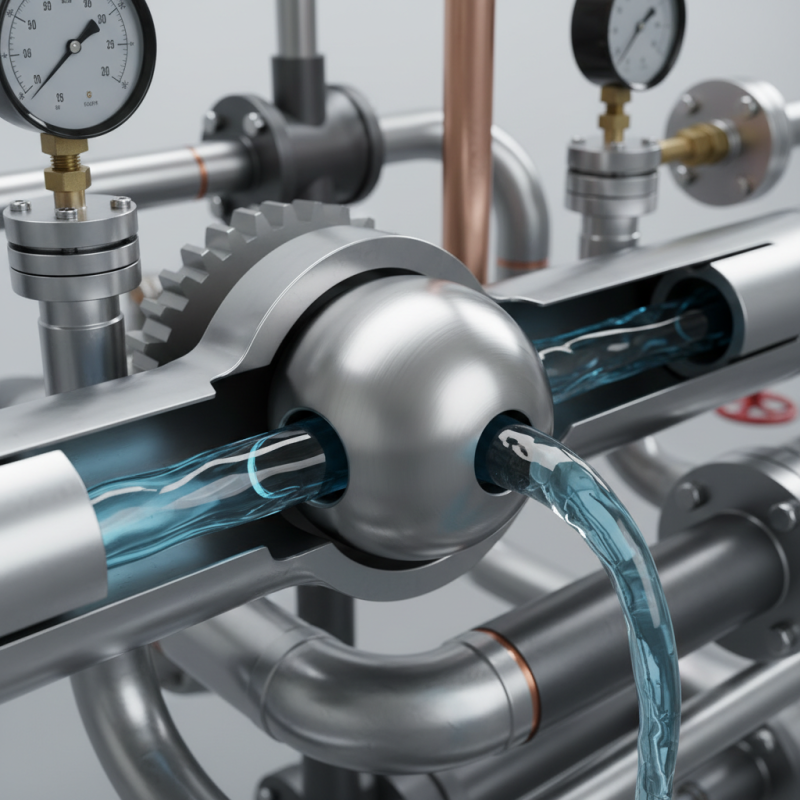
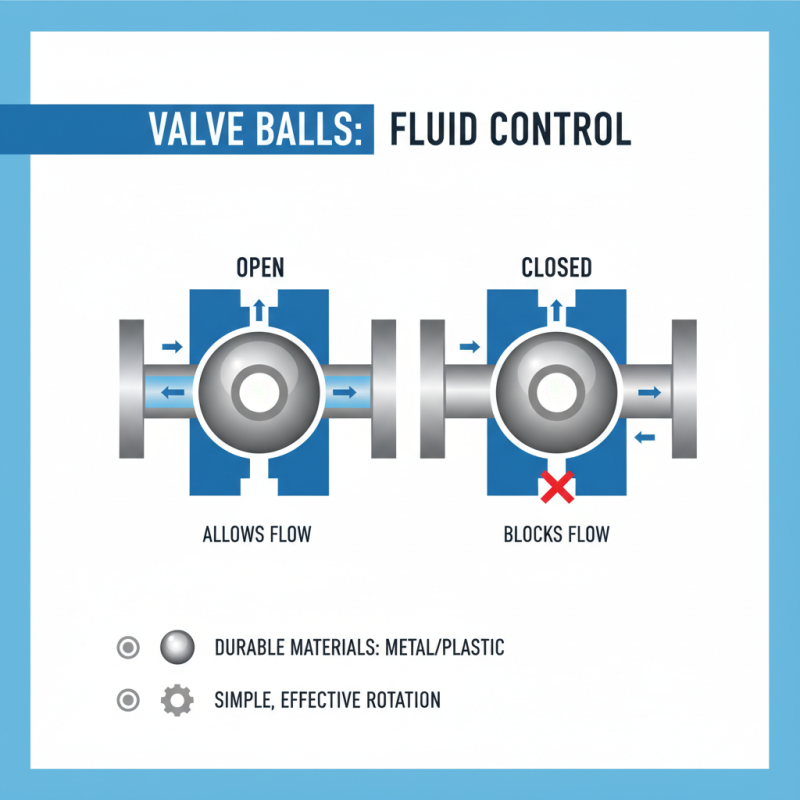
One essential element is the valve ball. It provides tight sealing and easy regulation of fluid flow. The ball can rotate within the valve body. This rotation opens or closes the pathway. The design ensures minimal leakage and efficient control. However, maintenance is often overlooked. Regular checks are necessary to avoid issues.
Pipes, pumps, and gauges are also vital components. Pipes transport fluids, while pumps maintain pressure. Gauges monitor flow rates and pressures. Each part must be compatible. Compatibility ensures integrity and performance. When components fail, the entire system can suffer. This interconnectedness highlights the importance of quality materials and design.
Understanding the Function of Valve Balls in Fluid Control
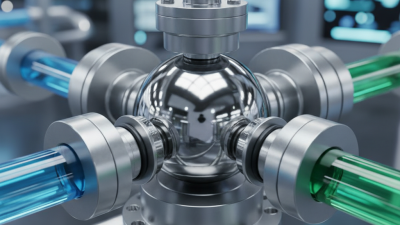
Valve balls are crucial for the functionality of fluid control systems. They provide a simple yet effective way to manage fluid flow. These small yet powerful components are typically made from durable materials like metal or plastic. Their round shape allows for smooth operation. When a valve ball is rotated, it either permits or blocks fluid movement.
The design of valve balls makes them versatile. They can be used in various applications, from water systems to industrial processes. However, maintaining them is essential. A dirty or damaged valve ball can lead to leakage or limited flow. Users often overlook proper maintenance. This neglect can result in unexpected system failures.
Understanding how valve balls work can help improve efficiency. They need to fit snugly within the valve body. This ensures a tight seal, preventing unwanted leaks. Poorly fitted balls can waste resources and create pressure problems. Regular inspections can catch these issues before they escalate. The importance of valve balls cannot be underestimated. They are a small part of a larger system, yet their role is significant.
Benefits of Using Valve Balls in Various Applications
Valve balls play a crucial role in fluid control systems. Their effectiveness simplifies the control of liquids and gases in various applications. These balls create a tight seal, minimizing leaks. In industries like oil, water, and chemicals, efficiency is key. A small imperfection can lead to significant issues, such as waste and safety hazards.
Using valve balls can provide many benefits. They enhance flow control and reduce pressure drops. In pipelines, a smooth surface facilitates better connectivity. Moreover, their design allows for easy maintenance. This can save time and costs over the system's lifespan. However, it’s essential to select the right material. Compatibility with fluids is vital. Otherwise, the durability of the valve balls may suffer.
In applications like heating systems, valve balls work effectively under high temperatures. They withstand corrosive substances, which can compromise other materials. But there are challenges. For instance, sediment buildup may impact performance. Regular checks are necessary for optimal operations. Failure to address this could lead to bigger problems, highlighting the need for diligent maintenance.
Factors Influencing the Performance of Valve Balls
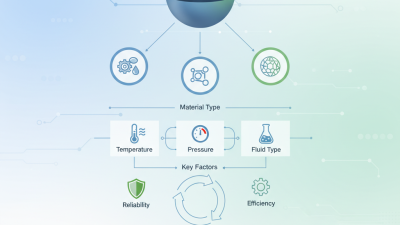
The performance of valve balls is critical in fluid control systems. Several factors influence their efficiency. Material choice plays a significant role. Different materials exhibit varying resistance to wear and corrosion. A poor selection can lead to premature failure or leaks.
Geometry and size are also essential. A well-designed ball ensures a tight seal, minimizing fluid loss. An improper fit can cause turbulence, which affects performance. Additionally, surface finish impacts fluid dynamics. A rough surface may trap debris, altering flow rates.
Temperature and pressure conditions further complicate matters. Valve balls must withstand extreme situations without losing integrity. It's not always easy to predict how they'll respond. Regular assessments can identify potential issues early. Understanding these factors helps in making informed decisions for optimal fluid control.
Maintenance and Troubleshooting for Optimal Valve Ball Functioning
Proper maintenance of valve balls is crucial for optimal performance in fluid control systems. According to a recent industry report, nearly 30% of valve failures are attributed to poor maintenance practices. Regular inspection can prevent these costly failures and extend the lifespan of the valve components. For instance, a simple visual examination can reveal signs of wear or corrosion that may affect operation.
Troubleshooting often starts with identifying common issues. Clogged passages or misalignment can hinder fluid flow. Reports indicate that improper installation is a primary cause of malfunction. A valve ball that doesn't fit correctly can lead to increased leakage and inefficiency. Maintaining precise alignment during installation is key.
In addition to physical inspections, regular cleaning is vital. Build-up of debris can disrupt flow and pressure. Around 25% of breakdowns are linked to sediment accumulation. A systematic cleaning schedule can mitigate this risk. However, too much cleaning, using harsh chemicals, can damage the surface of the valve ball. Balancing maintenance efforts is an ongoing challenge for operators in the field.
Why Valve Ball Is Essential for Efficient Fluid Control Systems? - Maintenance and Troubleshooting for Optimal Valve Ball Functioning
| Parameter |
Importance |
Maintenance Tips |
Troubleshooting Steps |
| Ball Material |
Affects durability and corrosion resistance |
Inspect for wear; choose suitable materials |
Check for leaks; replace if necessary |
| Seal Integrity |
Crucial for preventing leaks |
Regularly inspect seals for damage |
Test for leakage under pressure |
| Ball Operating Mechanism |
Ensures smooth operation during cycles |
Lubricate bearings and moving parts |
Check for jams; verify alignment |
| Pressure Rating |
Determines suitability for application |
Ensure application does not exceed ratings |
Monitor system pressure regularly |
| Temperature Range |
Affects materials used and performance |
Use materials rated for expected temperatures |
Inspect for any thermal deformation |