Top 10 Vinyl Flooring Options for Your Home Renovation Needs?
Vinyl flooring has gained immense popularity in recent years. A report by Grand View Research shows that the global vinyl flooring market was valued at over $24 billion in 2022. This figure is expected to grow substantially, reaching $36 billion by 2030. The appeal lies in its affordability, aesthetics, and ease of maintenance.
Homeowners appreciate vinyl flooring for its versatility. With designs that mimic hardwood and stone, it can complement various interior styles. Additionally, it is often equipped with water-resistant properties, making it suitable for kitchens and bathrooms. However, choosing the right option can be challenging given the plethora of available products.
There are some drawbacks to vinyl flooring. Some lower-quality options may not withstand heavy foot traffic. Additionally, over time, colors can fade, which is a concern for many homeowners. Considering these factors is essential when reviewing top vinyl flooring options for your renovation needs.
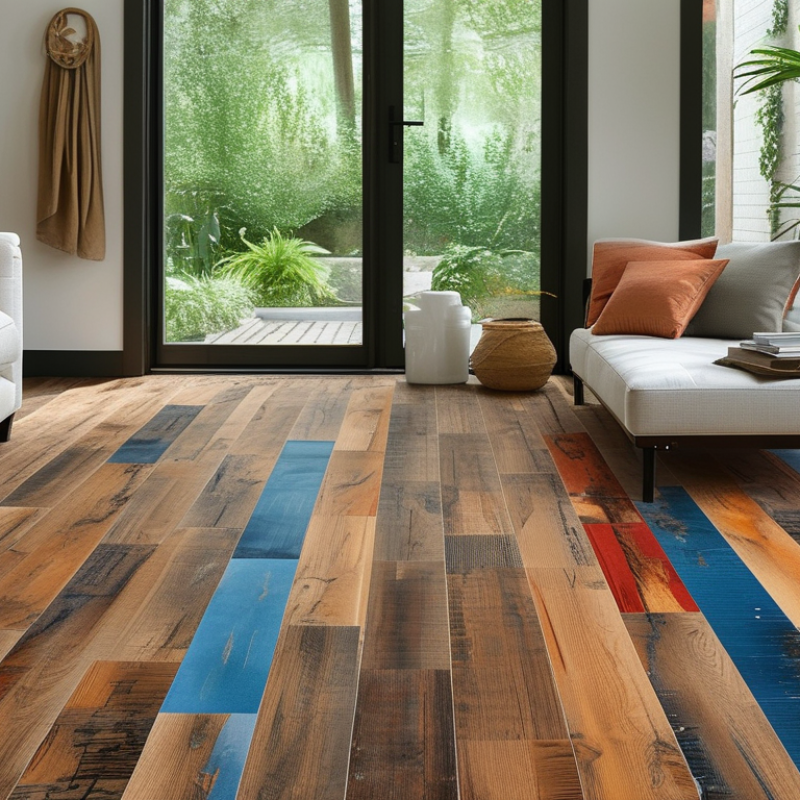
Top 10 Benefits of Choosing Vinyl Flooring for Home Renovations
Vinyl flooring has gained popularity in home renovations due to its numerous benefits. One significant advantage is its affordability. According to industry reports, vinyl flooring typically costs 50% less than hardwood. This makes it an attractive option for homeowners on a budget. Additionally, vinyl is easy to install, which can save costs on labor. Many DIY enthusiasts find it manageable to handle on their own.
Another benefit lies in durability. Vinyl floors are resistant to scratches, stains, and moisture. Studies show that homes with vinyl flooring tend to require less frequent maintenance compared to other options. This resilience can lead to a lifespan of 10 to 20 years, depending on usage. Furthermore, vinyl has improved in aesthetics, mimicking natural materials like wood and stone effectively.
Comfort is another factor worth considering. Vinyl flooring offers a warmer, softer surface underfoot compared to tiles or concrete. Many homeowners appreciate this comfort, especially in kitchens or play areas for children. However, not all vinyl products guarantee the same level of comfort. Some options can feel hard or cold during winter months, which is an important consideration. Balancing between style and comfort can sometimes be challenging in the renovation process.
Top 10 Vinyl Flooring Options for Your Home Renovation Needs
| Vinyl Flooring Type | Key Features | Ideal For | Average Price (per sq. ft.) |
| Luxury Vinyl Tile (LVT) | Realistic textures and patterns | Living rooms, dining areas | $3.00 - $7.00 |
| Vinyl Plank Flooring | Water-resistant, easy to install | Kitchens and bathrooms | $2.50 - $6.00 |
| Sheet Vinyl Flooring | Seamless and easy to clean | Commercial spaces, high moisture areas | $1.50 - $4.00 |
| Rigid Core Vinyl Flooring | Strong and durable, resistant to dents | High-traffic areas | $3.50 - $8.00 |
| Glue-Down Vinyl Flooring | Solid adhesion for longevity | Residential and commercial spaces | $2.00 - $5.00 |
| Floating Vinyl Flooring | Easy installation, no glue needed | DIY renovations | $2.50 - $6.50 |
| Eco-Friendly Vinyl Flooring | Made from recycled materials | Sustainable homes | $3.00 - $7.50 |
| Acoustic Vinyl Flooring | Soundproofing properties | Apartments, multi-story homes | $3.00 - $6.00 |
| Vinyl Composite Tile (VCT) | Durable, easy to maintain | Commercial and industrial settings | $1.50 - $4.00 |
Top 10 Benefits of Choosing Vinyl Flooring for Home Renovations
| Benefit | Description |
| Cost-Effective | Affordable compared to other flooring options |
| Durability | Resistant to scratches, dents, and moisture |
| Low Maintenance | Easy to clean with regular sweeping and mopping |
| Variety of Styles | Available in numerous colors, patterns, and textures |
| Water Resistance | Ideal for moisture-prone areas like bathrooms and kitchens |
| Comfort | Warm underfoot and softer than tile or stone |
| Sound Absorption | Reduces noise in multi-story homes |
| Easy Installation | Can often be installed over existing floors without professional help |
| Eco-Friendly Options | Some vinyl flooring is made from recycled materials |
| Resale Value | Can enhance property value with appealing aesthetics |
Key Types of Vinyl Flooring: Understanding Sheets, Planks, and Tiles
Vinyl flooring has gained popularity for home renovations due to its versatility and durability. Understanding the different types—sheets, planks, and tiles—can help homeowners make informed decisions. According to industry reports, the vinyl flooring market is projected to reach $82 billion by 2027, illustrating its rise in homeowner preference.
Sheet vinyl offers a seamless design, minimizing water damage risks. It's ideal for large areas and can mimic wood or stone textures effectively. Meanwhile, vinyl planks are known for their easy installation and authentic appearance. They are highly resistant to scratches and dents. Vinyl tiles are another option, allowing for creative layouts and patterns. Each type has its unique advantages and challenges.
When selecting vinyl flooring, consider the specific needs of each room. Tips include choosing the right thickness, as thicker planks tend to be more durable. Also, remember the importance of proper installation. Even minor mistakes can lead to dissatisfaction later. Research estimates that poorly installed flooring can reduce lifespan by up to 30%. Prioritize quality over cost; investing in reliable materials can save headache and expense in the long run.
How to Select the Right Vinyl Flooring for Your Home Style
Choosing the right vinyl flooring can significantly enhance your home’s aesthetic. Start by considering your home style. Is it modern, rustic, or traditional? Each style requires a different texture and pattern. For a sleek, contemporary look, opt for matte finishes. They provide a clean and streamlined appearance that pairs well with minimalist decor.
Texture matters too. Hand-scraped finishes can add a rustic charm, ideal for farmhouse styles. Think about the colors that will complement your furniture. Darker shades offer a dramatic contrast, while lighter tones can make spaces feel larger. Patterns also play a crucial role; geometric designs can energize a room, while softer patterns bring warmth.
Finally, durability is key. Assess foot traffic in each area. Heavy traffic zones need sturdier options. Remember, not every choice has to be perfect. Sometimes, a slight imperfection can enhance character. Reflect on your lifestyle and maintenance preferences. This will guide your decision and ensure that you select a flooring option that truly fits your home’s unique identity.
Maintenance Tips for Long-lasting Vinyl Flooring Solutions
Vinyl flooring is an excellent choice for home renovations, known for its durability and aesthetic appeal. To ensure your vinyl flooring remains in top condition, regular maintenance is essential. Frequent sweeping and vacuuming can prevent dirt from scratching the surface. Use a damp mop with a mild flooring cleaner to keep your floors shining without damaging them.
Avoid using harsh chemicals. They can wear down the finish over time. Spills should be wiped promptly to avoid staining, yet it is easy to overlook this step. Grime can accumulate if not addressed quickly. Additionally, consider using felt pads under furniture to avoid unsightly scratches.
Temperature fluctuations can also affect vinyl. Extreme heat may cause warping, while cold can lead to cracking. Monitoring your home's climate and keeping the flooring away from direct sunlight can prevent these issues. Regular inspections for any signs of damage can help catch problems early. Proper care can enhance the longevity of vinyl flooring, making your investment worthwhile.
Costs and Budgeting for Your Vinyl Flooring Renovation Project
Vinyl flooring can be an affordable and versatile option for home renovations. Costs for vinyl flooring installation typically range from $2 to $7 per square foot, depending on the type and quality. According to industry reports, the average cost for a DIY project is around $600 to $1,200 for a standard-sized room, including materials and tools. For professional installation, homeowners can expect to spend an additional $1 to $3 per square foot.
One essential tip is to research various types of vinyl flooring. Luxury vinyl planks tend to be more durable and offer better aesthetics but come at a higher price. While sheet vinyl is usually more affordable, it may lack the visual appeal and longevity. Balance your budget with the look you desire for your space.
Another important factor is to factor in additional costs. Underlayment, adhesives, and other supplies can increase your budget. If you are renovating multiple rooms, buying flooring in bulk can save money. Check for promotions, discounts, or clearance sales to get the best deal. Renowned reports indicate that homeowners might save between 10% to 20% when purchasing larger quantities. Be prepared for unforeseen expenses as well, which could stretch your budget.
Top 10 Vinyl Flooring Options for Your Home Renovation Needs