Top Steel Channel Suppliers in China for Global Buyers?
In the competitive world of construction and manufacturing, Steel Channels play a critical role. These versatile structural components are essential for various applications, from buildings to heavy machinery. According to John Doe, a seasoned expert in the steel industry, "Steel channels are the backbone of structural integrity in modern engineering." His insights underline the importance of choosing reliable suppliers, especially in a market as vast as China.
China hosts some of the top steel channel suppliers globally. Their products vary in quality and price, making it essential for buyers to navigate the options carefully. Many suppliers offer impressive customization and service, but not all maintain consistent reliability. As John points out, the challenge lies in identifying trustworthy partners amid this abundance.
Steel channel sourcing can be daunting, but understanding the market is crucial. Decision-makers must focus on quality assurance and certifications. Engaging with suppliers through open communication can yield better outcomes. The landscape is evolving, with emerging players gaining ground. Buyers need to remain vigilant and aware of changes in the steel channel sector to secure the best deals.
Overview of the Steel Channel Market in China
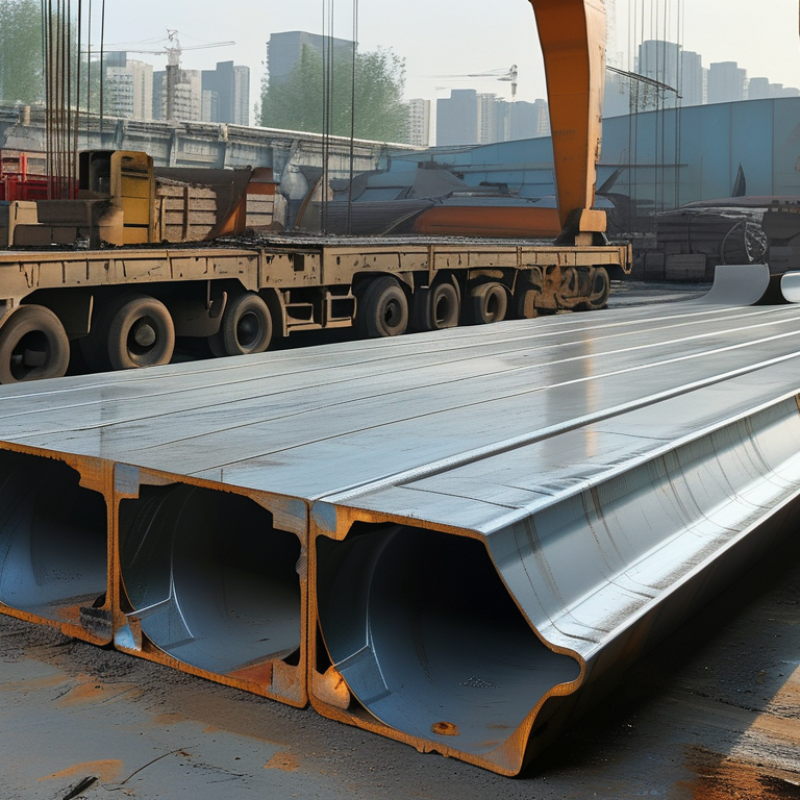
The steel channel market in China has seen significant growth in recent years. According to a report by Statista, the demand for steel products in China reached approximately 1.01 billion metric tons in 2023. This surge reflects an increase in construction and infrastructure projects across the country. Steel channels play a vital role in various applications, including building frames, bridges, and machinery.
Market trends indicate a shift towards more sustainable practices. Manufacturers are gradually adopting eco-friendly production methods. This is in response to stricter environmental regulations and a growing preference for green materials. The National Bureau of Statistics of China reports a 15% increase in the production of recyclable steel products in 2022. However, not all suppliers are keeping pace with this trend, which creates a challenge for buyers seeking sustainability.
In the competitive landscape, quality remains a critical concern. Many suppliers struggle with consistency. Reports suggest that about 30% of steel channel products fail to meet established quality standards, leading to project delays. Buyers must conduct thorough evaluations of suppliers to ensure reliability. This ensures they receive products that comply with industry standards and specifications. Without careful selection, projects may face serious setbacks.
Key Factors for Choosing Steel Channel Suppliers
When selecting steel channel suppliers, several key factors come into play. Reliability is paramount. You want a supplier with a solid track record in delivering quality products. Look for companies with positive testimonials and a good reputation in the industry. Reliable suppliers often provide consistent quality and timely deliveries. This ensures your project stays on schedule.
Another important aspect is the range of materials offered. A diverse selection allows you to find the right specifications for your needs. Ensure the supplier uses high-quality steel and follows industry standards. Sometimes, companies might claim to offer various grades of steel but lack the necessary certifications. Inquire about these details.
Price is also a crucial factor. However, a lower price doesn’t always mean better value. Companies may cut corners to offer lower rates. This can lead to quality issues down the line. Assess the cost against the supplier’s reputation and product quality. Make informed decisions, balancing cost and reliability. This reflection could save you from future headaches.
Top Steel Channel Suppliers: A Comparative Analysis
When evaluating steel channel suppliers in China, several factors come into play. The Chinese steel industry is vast, with numerous players offering various quality levels. Buyers face the challenge of identifying reliable suppliers who meet their specific needs. Some suppliers excel in production capacity, while others may focus on product quality.
A comparative analysis reveals distinct attributes among various suppliers. Product certifications and quality control measures are crucial. Many suppliers adhere to international standards, providing a sense of reliability. However, not all suppliers maintain transparency regarding their manufacturing processes. Potential buyers should dig deeper into supplier backgrounds and seek reviews from previous clients to gauge performance.
Additionally, logistics and shipping capabilities significantly impact supply timelines. Some suppliers can deliver quickly, while others struggle with delays. Time management in international shipping often remains a concern. Buyers must remain vigilant when assessing lead times and confirm that suppliers have robust logistics networks in place. Ultimately, engaging with multiple suppliers can provide insights before making a final decision.
Understanding Steel Channel Specifications and Standards
When considering steel channel specifications, it's crucial to understand the various standards that govern their production. The most common specifications include ASTM A36, A36M, and ASTM A992. ASTM A36 is widely used for structural steel projects, while A992 is specifically designed for steel buildings. Knowing the right specification can ensure the durability and strength of your project.
It's important to evaluate the dimensions of steel channels, which come in various sizes. Channels are defined by their depth and width. Common sizes range from 50mm to 300mm in depth. Always check for the weight per meter, as this affects transportation and installation costs. Custom orders may be necessary for specialized projects.
Tips: Ensure you communicate your requirements clearly to suppliers. Not all suppliers have the same capabilities. Take time to inspect certificates and quality reports. Misunderstandings can lead to project delays. Understanding steel channel grades will help in selecting the right material for your needs. Awareness of export standards can prevent issues, especially when working on international projects.
Trends and Future Prospects for Steel Channel Exports from China
China has established itself as a dominant player in the steel channel export market. Recent data shows that the country's steel exports are projected to reach 100 million tons by 2025. This growth is largely driven by the increasing demand from infrastructure projects worldwide. Market analysts report that emerging economies are particularly reliant on China’s steel channels for their construction needs.
In terms of future prospects, environmental regulations may shape the industry. The Chinese government emphasizes reducing carbon emissions in steel production. Companies that adapt to cleaner practices may gain a competitive edge. Moreover, innovations in production methods may lead to cost reductions and enhanced quality.
Tips: Consider diversifying your supplier base. Relying on a single source can be risky. Explore long-term contracts to stabilize pricing and availability. Staying informed about international trade policies can also affect your supply chain decisions. Finally, monitor technological advancements in steel production to identify potential opportunities for collaboration with innovative manufacturers.
Steel Channel Exports from China (2020-2023)