In the rapidly evolving world of renewable energy, Solar Panel Connectors play a crucial role in system efficiency and safety. John Smith, a leading expert in solar technology, emphasizes that “the right connectors can significantly enhance the performance of solar installations.” Understanding these components is vital for anyone involved in solar panel systems.
Solar Panel Connectors come in various types and designs. Each type serves a specific purpose and impacts overall system reliability. For installers and users alike, making informed choices is imperative. A poor connector can lead to energy losses and safety hazards, highlighting the need for quality and compatibility.
Despite the advancements in technology, many still overlook the importance of these connectors. Ultimately, integrating high-quality Solar Panel Connectors could lead to better energy outcomes. It's a small detail, but it can make a significant difference. As the industry grows, awareness about these components must keep pace. Understanding their function and benefits is more important than ever.
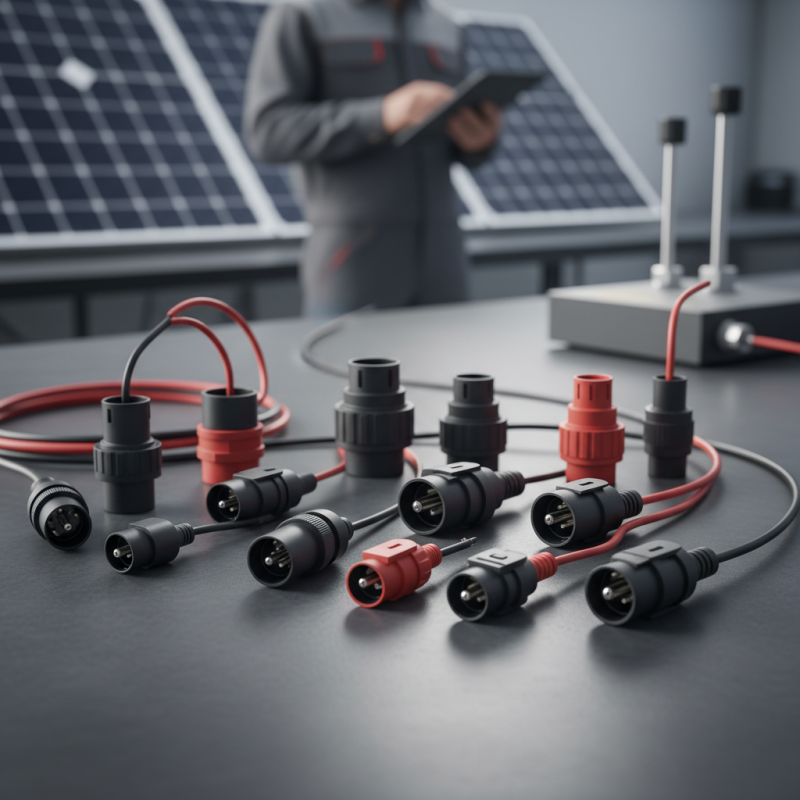
Solar panel connectors play a crucial role in solar energy systems. They link solar panels to inverters and charge controllers. A reliable connection is essential for optimal energy transfer. Poorly connected systems can lead to energy loss. This situation diminishes the overall efficiency of solar installations.
Different types of connectors exist, each designed for specific applications. Some connectors are waterproof, offering durability against harsh weather. Others prioritize ease of installation, making them user-friendly. However, not all connectors are created equal. Choosing the wrong type can compromise system performance. Research is vital to make informed decisions.
Understanding connector specifications matters more than many realize. A mismatch in voltage ratings can lead to failures or hazards. Regular inspections can prevent potential issues. Many users overlook this critical maintenance step. By prioritizing the right connectors, the lifespan and efficiency of solar systems can significantly improve.
| Connector Type | Description | Use Case | Advantages | Disadvantages |
|---|---|---|---|---|
| MC4 | Standard connector for solar panels. | Most solar panel installations. | Reliable, weather-resistant. | Limited to specific diameters. |
| Tyco | Alternative connector system. | Commercial solar systems. | Good for high-voltage systems. | More complex installation. |
| H4 | Compact solar connector. | Small rooftop installations. | Easy to handle, space-efficient. | Not as widely supported. |
| Solar Snap | Quick-connect solar connectors. | Residential systems. | Fast installation, user-friendly. | Higher cost compared to MC4. |
| BIPV | Building-integrated photovoltaics connectors. | Architectural solar installations. | Aesthetic integration, efficient. | More expensive installation. |
| Anderson | High amperage connectors. | Utility-scale projects. | Durable, high current capacity. | Bulky and heavy. |
| Amphenol | Heavy-duty connectors for solar. | Commercial installations. | Robust and reliable. | Higher cost and weight. |
| RCA | Audio/video connectors adapted for solar. | Integration with monitoring systems. | Easy to connect and disconnect. | Not weather-resistant. |
| T4 | Versatile connectors designed for PV modules. | Mixed installations (roof + ground). | Highly adaptable for various setups. | Can be more expensive than basic options. |

When it comes to solar panel installations, the type of connectors used can significantly affect performance and reliability. There are primarily two types of connectors: MC4 and Tyco-style. MC4 connectors are the most common, favored for their durability and weather resistance. Reports indicate that around 70% of solar installations use MC4 connectors. They can withstand extreme environmental conditions, which is crucial for outdoor systems.
Tyco-style connectors, although less popular, also hold merit. They offer a lower profile, making them easier to use in tight spaces. Studies show they can provide efficient performance in specific applications, especially where space is a constraint. Solar professionals should weigh the pros and cons of each connector type based on their unique installation scenarios.
While choosing connectors, attention to detail is vital. Poor quality connections can lead to energy loss and even system failures. Research suggests that subpar connectors can cause an efficiency drop of up to 10%. It's essential to select connectors that meet industry standards and are reliable over time. Assessing the long-term implications of connector choices can help ensure a smoother operation in the years to come.
When selecting solar panel connectors, several features are essential to ensure efficiency and safety. One key aspect is the connector type. MC4 connectors are widely used due to their compatibility and ease of installation. They allow for quick connections, which is crucial during setup.
Weather resistance is another factor to consider. Connectors made from durable materials can withstand harsh environments. Look for connectors that are UV-resistant and waterproof to maintain long-term performance. Proper sealing is vital to prevent moisture ingress, which can lead to failures or system inefficiencies over time.
A good tip is to always check the connection rating. Make sure the connectors can handle the voltage and current specifications of your solar setup. This prevents overheating and potential fires. Additionally, it’s beneficial to pay attention to the ease of installation. Some connectors may require special tools or skills. Ensuring that you can easily connect and disconnect them simplifies maintenance and enhances safety. Look for user-friendly designs to facilitate this access.
When choosing solar panel connectors, efficiency is key. High-quality connectors play a vital role in maximizing energy output. Reports indicate that poor connections can reduce performance by up to 30%. This inefficiency can lead to significant financial losses over time. Reliable connectors prevent energy loss and promote system longevity.
Among the top recommended options, MC4 connectors are notable for their durability and weather resistance. Data shows they are widely used in the industry, thanks to their high current ratings. Another credible option is the Amphenol connector, known for its robust design and ease of installation. The right connector can greatly impact installation time, with some installers reporting faster setups with optimized designs.
It's important to evaluate your specific needs. Consider environmental factors that may affect choice. For instance, locations with extreme weather require connectors with enhanced weatherproofing capabilities. Some connectors may seem overbuilt for certain applications, leading to unnecessary costs. Assessing efficiency and practicality ensures better long-term decisions in solar installations.
Proper installation and maintenance of solar panel connectors are crucial for maximizing energy output. Start by ensuring that connectors are free from dirt and moisture. This prevents corrosion, which can lead to energy loss. Use dielectric grease in environments with high humidity. This small step greatly reduces the chance of water ingress.
During installation, check the polarity of each connector. Incorrect connections can cause system malfunctions. Regularly inspect connectors for signs of wear or damage. Look for cracks or discoloration that signal potential issues. A visual inspection can catch problems early, saving time and money later on.
Remember that each installation is unique. What works for one system may not work for another. Always refer to installation guidelines or manufacturer recommendations, even if they seem excessive. It’s better to double-check than to face costly repairs. The health of your solar power system relies on these often-overlooked components. Regular attention to connectors ensures optimal performance and longevity.
© Shipham Valves 2025. All Rights Reserved.
Website By PS Website Design Ltd
Request a Quote/Further Information
Download
We use cookies on this website, by continuing to browse the site you are agreeing to our use of cookies. Find out more.