Top 10 LED Screen Types for Global Buyers in 2026?
In recent years, the demand for LED Screens has surged. These displays are now essential across various sectors. The evolution of LED technology has led to diverse types suitable for diverse applications.
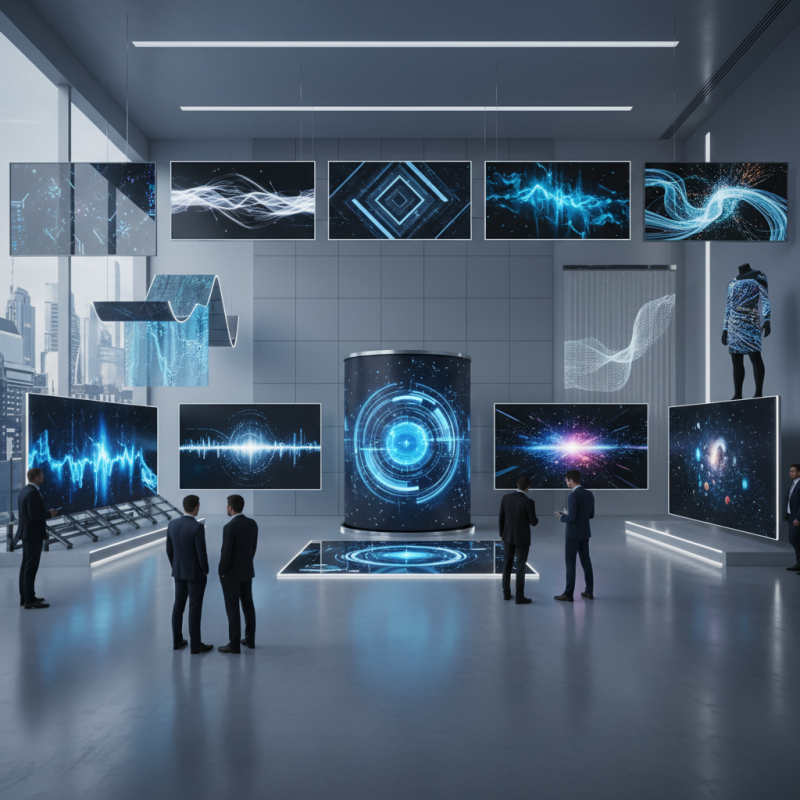
As we approach 2026, understanding the top 10 LED screen types becomes crucial for global buyers. Each type serves unique purposes. From advertising to entertainment, these screens shape our visual experiences daily. Buyers should be aware of these options to make informed decisions.
Moreover, the LED screen market is not without challenges. Rapid technology changes can make it hard for buyers to keep up. Quality and pricing can vary significantly. Therefore, thorough research is necessary to navigate this complex landscape effectively.
Emergence of MicroLED Technology as a Game Changer for Displays
MicroLED technology is rapidly transforming the display industry. Unlike traditional LEDs, MicroLEDs use tiny, self-emissive pixels. These pixels deliver unparalleled brightness and color accuracy. This innovation offers clear advantages over LCDs and OLEDs, particularly in terms of longevity and energy efficiency. Recent reports indicate that the MicroLED market is projected to reach $8.9 billion by 2026, reflecting a compound annual growth rate (CAGR) of 48.3%.
Moreover, the manufacturing process for MicroLEDs is evolving, though challenges remain. Creating smaller LEDs involves complex techniques that may lead to higher production costs. Industry experts believe, however, that with advancements in automation, these costs will drop. Additionally, the need for innovative solutions in the supply chain is paramount. Ensuring consistent quality across millions of tiny LEDs isn't easy. There’s much work to be done in refining these techniques.
Despite these hurdles, the performance of MicroLEDs is impressive. With resolutions reaching 8K and even beyond, they are poised for mainstream adoption. They could redefine applications in various sectors, from consumer electronics to digital signage. The emergence of this technology signifies a crucial shift in display standards, pushing boundaries like never before.
Advantages of OLED Screens in High-End Consumer Electronics Markets
OLED screens are gaining traction in high-end consumer electronics markets due to their superior picture quality. The organic light-emitting diodes in these screens can produce vibrant colors and deep black levels. This technology allows for a more immersive viewing experience, making it popular among filmmakers and gamers.
One key advantage of OLED displays is their energy efficiency. When displaying darker images, OLEDs consume less power. This not only reduces electricity bills but also extends battery life in portable devices. Tips: Always check the brightness settings to maximize battery performance. Lower brightness can enhance battery longevity while providing sufficient visibility.
However, potential buyers should consider some drawbacks. OLED screens can suffer from burn-in, where static images leave permanent marks. This risk may deter some consumers, especially those who use their devices for extended periods. Tips: Enable screen savers or use varied content to reduce burn-in risks. Being aware of these details can help users make informed decisions about their electronics investments.
Top 10 LED Screen Types for Global Buyers in 2026
| LED Screen Type | Resolution (Pixels) | Brightness (Nits) | Lifespan (Hours) | Advantages |
| OLED | 3840 x 2160 | 1000 | 50,000 | Superior color accuracy, deep blacks |
| Mini LED | 3840 x 2160 | 1200 | 30,000 | High brightness, better contrast ratios |
| Micro LED | 3840 x 2160 | 1500 | 100,000 | Individual pixels for stunning image quality |
| QLED | 3840 x 2160 | 2000 | 100,000 | Vibrant colors, high brightness levels |
| LED Backlit LCD | 1920 x 1080 | 600 | 50,000 | Cost-effective, broadly used |
| E-Paper Displays | 800 x 600 | 100 | 100,000 | Ultra-low power consumption, excellent readability |
| Flexible LED | 1280 x 720 | 800 | 30,000 | Curved designs, versatile applications |
| Transparent LED | 1920 x 1080 | 300 | 20,000 | Innovative design, unique display solutions |
| Outdoor LED | 3840 x 2160 | 5000 | 100,000 | Weather-resistant, high visibility |
| Indoor LED | 1920 x 1080 | 800 | 50,000 | High resolution, excellent color reproduction |
Comparative Analysis of LCD vs. LED: Trends Influencing Buyer Choices
The debate between LCD and LED screens has intensified in recent years. Both technologies have their dedicated followers, yet each comes with distinct advantages. LED screens typically offer higher brightness and better contrast. This can enhance the viewing experience, especially in bright environments. However, the price point for high-quality LEDs can be steep.
LCD screens are known for their affordability and wide availability. They remain a common choice for consumers on a budget. However, image quality can suffer in comparison to LEDs. This discrepancy is noteworthy in areas like color reproduction and viewing angles. Buyers often grapple with these trade-offs while making their choices.
Buyer preferences also reflect broader trends in technology. Eco-conscious consumers may lean towards LED options, which often consume less power. Additionally, advancements in both technologies continue to blur the lines. As new models emerge, understanding the nuances will remain essential for buyers. Making informed choices relies on recognizing these factors.
Projected Market Growth: Size and Demand of each LED Screen Type in 2026
The LED screen market is anticipated to witness significant growth by 2026. Different types of LED screens are gaining traction in various sectors. Their demand is driven by advancements in technology and diverse applications in entertainment, advertising, and education.
Among the types, mini-LED screens and Micro-LED screens are projected to see substantial growth. These screens offer enhanced contrast ratios and color accuracy, attracting industries focused on high-quality visuals. Additionally, transparent LED screens are gaining attention, especially in retail. They seamlessly blend digital content with physical spaces, capturing consumer interest effectively.
However, one must reflect on potential challenges. The rapid pace of innovation can lead to frequent obsolescence. Sustainability is another concern, particularly with e-waste. As the market expands, companies may need to navigate these complexities carefully. Consumers are growing more conscious of environmental impacts. Addressing these issues will be crucial for long-term success in the LED screen industry.
Sustainability Trends: Eco-Friendly Materials in LED Screen Manufacturing
The future of LED screen manufacturing is increasingly aligned with sustainability. Eco-friendly materials are at the forefront of this movement. Manufacturers are exploring options like biodegradable plastics and recyclable metals. These materials significantly reduce the environmental impact of production. By implementing innovative approaches, companies aim to minimize waste.
Sustainability is not just a trend; it is essential for the industry’s growth. Many manufacturers face challenges in sourcing sustainable materials. This often leads to higher costs and limited availability. Yet, the push for greener practices drives innovation. Hybrid materials, combining ecological benefits with performance, show promise.
This journey toward sustainability is not flawless. Manufacturers struggle to balance functionality and ecological impact. Moreover, consumer demand for sustainable options can lead to inconsistencies in quality. As the industry evolves, continuous reflection on practices will be vital. Embracing change while maintaining quality is key to a truly sustainable future in LED screen technology.