Top 10 Hydraulic Vane Actuators for Global Procurement Needs?

In the competitive world of industrial machinery, the Hydraulic Vane Actuator stands out for its efficiency and reliability. Dr. Emma Carter, a leading expert in hydraulic systems, emphasizes this point: "Hydraulic Vane Actuators are pivotal in optimizing performance across various applications." Her insights highlight the critical role these actuators play in industries ranging from aerospace to automotive.

Manufacturers are increasingly turning to Hydraulic Vane Actuators for their superior control and adaptability. The market is diverse, with numerous options available for global procurement. However, navigating this landscape requires careful consideration of performance, durability, and compatibility. It's essential to understand the specific needs of each application to make informed purchasing decisions.

While the advantages are clear, challenges remain. Some Hydraulic Vane Actuators may fall short of expectations under extreme conditions. Others might lack the longevity required for demanding operations. Buyers must weigh these factors, ensuring they select the best technology for their unique requirements.
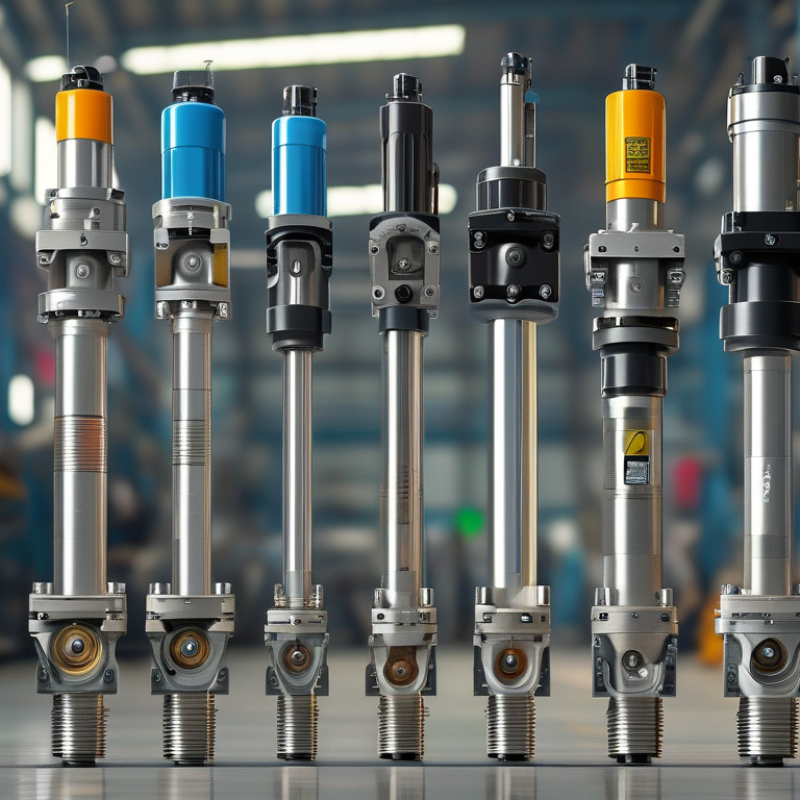
Top 10 Hydraulic Vane Actuators for Global Procurement Needs?

Top Characteristics of Hydraulic Vane Actuators

Hydraulic vane actuators are vital components in various industrial applications. They provide reliable motion control and are essential for precise operations. These actuators use vanes to convert hydraulic pressure into rotational motion. This design allows for smooth and efficient performance.
One key characteristic is their compact size. This makes them suitable for applications where space is limited. Their lightweight design also adds to their versatility. Efficiency is another important feature. Hydraulic vane actuators can achieve high power outputs with minimal energy consumption. This is beneficial for reducing operational costs and enhancing sustainability.

Another aspect worth noting is their adaptability. They can be configured for various tasks, from simple applications to complex systems. However, they may not always perform well under extreme conditions. Temperature fluctuations can affect their efficiency. Users must consider this when selecting an actuator for a specific application. Regular maintenance is also crucial. Neglecting this can lead to performance drops and reduced lifespan. Balancing these elements is essential for optimal use.
Key Applications and Industries Utilizing Hydraulic Vane Actuators

Hydraulic vane actuators are critical components in a variety of industries. These devices transform hydraulic energy into mechanical force, making them ideal for applications like material handling, aerospace, and automotive manufacturing. Their ability to provide precise control and efficiency is valued in sectors where accuracy and responsiveness are key.

In the automotive sector, hydraulic vane actuators are often used in power steering systems. They help drivers maintain better control of their vehicles. For aerospace, these actuators are vital for controlling aircraft movements. Their reliability is crucial for flight safety. Additionally, they find applications in robotics, where precision movement is paramount.

Tips: Regular maintenance is essential for maximizing the lifespan of hydraulic vane actuators. Check for leaks and perform routine inspections. Always ensure that the hydraulic fluid used is of the correct type and specification. Consider potential wear and tear when designing systems that include these actuators.

In industrial settings, these devices cater to intensive applications like molding machines or conveyor systems. They provide consistent performance under high loads. However, the complexity of their design can lead to challenges. Users must be aware of potential issues, such as cavitation or overheating, which can affect functionality. Addressing these problems promptly is vital for ongoing operations.

Comparative Analysis of Popular Hydraulic Vane Actuator Brands

Hydraulic vane actuators are essential in various industries. Their intricate design enables precise control of fluid flow and pressure, making them invaluable in applications ranging from aerospace to manufacturing. Data from industry reports show a projected growth rate of 5.6% annually for hydraulic actuators, indicating strong global demand. This trend signals that sourcing these components effectively is crucial for procurement teams.

Comparing the performance of different brands reveals notable differences. Some brands demonstrate superior efficiency under high temperatures, while others excel in minimal noise operation. A report by the International Fluid Power Society highlighted that hydraulic vane actuators can reduce energy consumption by up to 30% compared to traditional devices. However, reliability varies significantly among manufacturers, prompting a need for thorough evaluations before procurement decisions.

User experiences often reveal mixed results. While some users praise the durability of specific models, others report challenges in maintenance and support. It's essential to analyze user reviews and technical specifications carefully. Industry experts recommend that procurement managers consider factors such as service life and repairability when sourcing hydraulic vane actuators. The balancing act between performance, reliability, and cost remains a critical reflection point for organizations aiming to optimize their hydraulic systems.

Top 10 Hydraulic Vane Actuators for Global Procurement Needs

This chart represents a comparative analysis of the performance ratings of the top 10 hydraulic vane actuators essential for global procurement needs. Each actuator's performance is rated on a scale from 0 to 100, showcasing their efficiency and reliability in various applications.

Criteria for Selecting the Right Hydraulic Vane Actuator

Selecting the right hydraulic vane actuator is crucial for many industrial applications. Understanding the specific requirements of your project is the first step. Consider the force and speed that the actuator needs to provide. Will the actuator be used in a high-pressure environment? This detail significantly influences performance and longevity.

Evaluate factors such as size and weight. Compact designs may be advantageous in limited spaces, yet larger units can offer greater power. It's essential to balance these aspects based on the system’s demand. Additionally, assess the material of the actuator. Corrosion-resistant materials are beneficial in harsh conditions.

Another point to reflect on is the actuator's control response. Some applications require precise control, while others may tolerate variations. Look into the actuator's efficiency ratings and maintenance needs too. Longevity can be affected by how regularly it must be serviced. Engaging with industry professionals can provide insights and help refine your choices. Balancing these criteria will lead to a more informed procurement decision.

Future Trends in Hydraulic Vane Actuator Technology and Design

Hydraulic vane actuators play a crucial role in various industrial applications. As technology advances, the design and function of these actuators are evolving. Emerging trends emphasize energy efficiency and compactness. Manufacturers are focusing on creating smaller units that offer high performance. These developments contribute to meeting growing global procurement demands.

Another significant trend is the integration of smart technology. Actuators are becoming more interconnected. This allows for remote monitoring and automated adjustments. Such innovations can enhance operational efficiency and reduce downtime. However, not all companies are ready to embrace these advancements. Some still rely on outdated systems, which can lead to inefficiencies.

Furthermore, sustainable practices are shaping actuator design. Use of eco-friendly materials is gaining traction. This shift is essential for reducing environmental impact. Yet, balancing sustainability with performance remains challenging. Manufacturers must navigate this complex landscape to meet both performance and ecological standards. The road ahead is full of potential and challenges, prompting continued reflection on industry practices.

Top 10 Hydraulic Vane Actuators for Global Procurement Needs

Model Max Pressure (Bar) Displacement (cm³/rev) Weight (kg) Operating Temperature (°C) Efficiency (%)
Model A 200 20 15 -20 to 80 95
Model B 210 22 17 -15 to 75 93
Model C 190 18 14 -25 to 85 90
Model D 220 25 16 -10 to 70 92
Model E 230 30 19 -5 to 90 94
Model F 240 28 18 -15 to 85 91
Model G 250 33 21 0 to 95 88
Model H 260 35 20 -10 to 100 89
Model I 270 40 22 -20 to 90 87
Model J 280 45 24 -15 to 95 85

Request a Quote/Further Information

    Download