2026 Top Gas Safety Valve Features and Benefits Explained?
The gas safety valve is a vital component in various industries. In 2026, its features and benefits will evolve. For instance, industry expert John Smith once stated, “A reliable gas safety valve is key to preventing disasters.” His insight highlights the importance of these valves in maintaining safety.
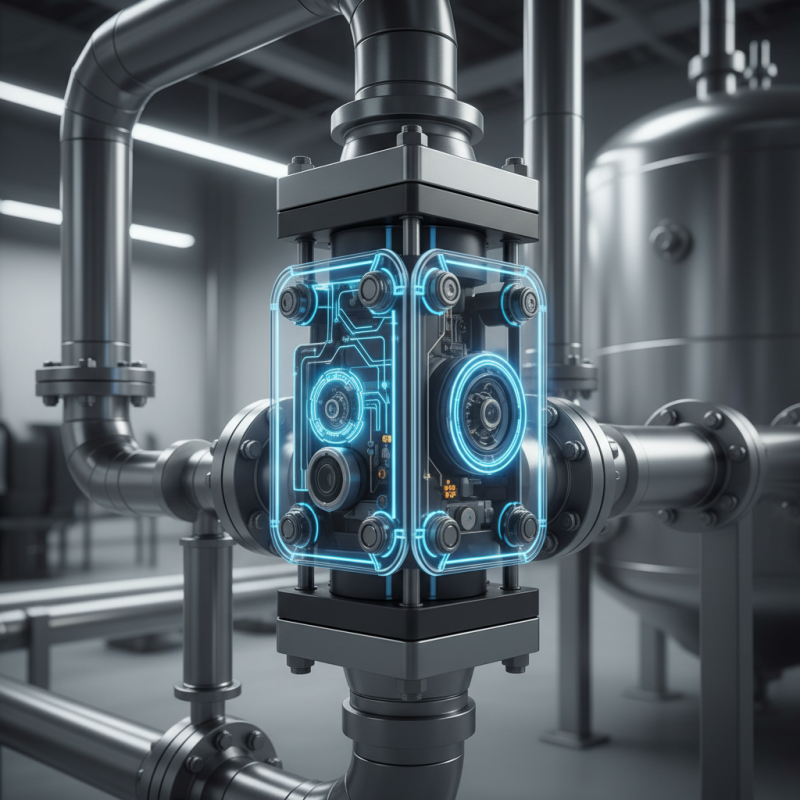
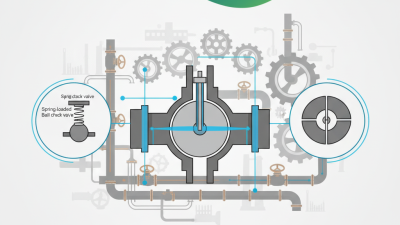
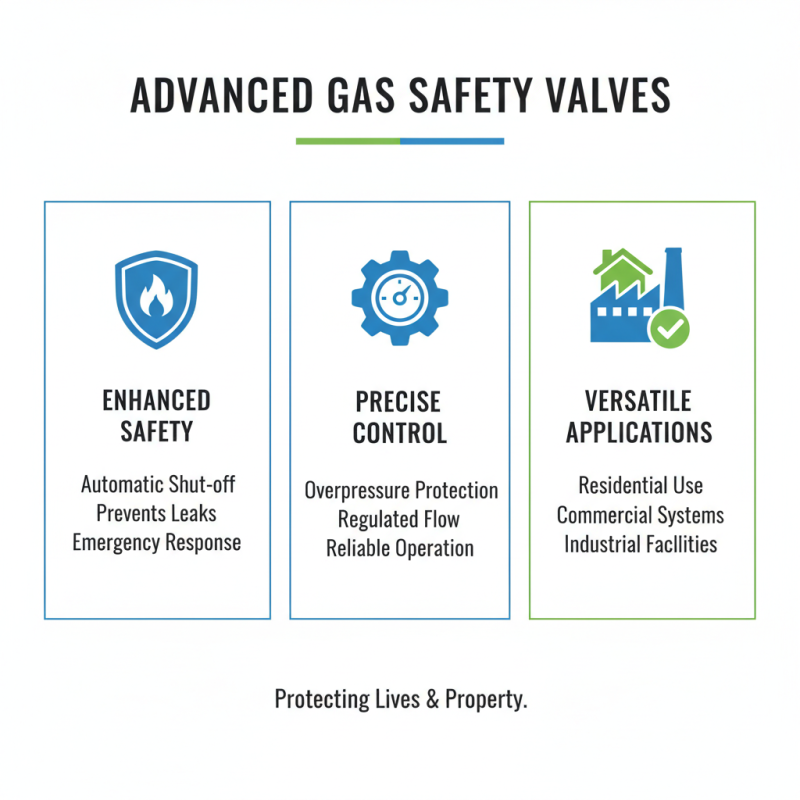
Gas safety valves are designed to control pressure and prevent leaks. They protect both people and equipment. Innovative features such as enhanced materials and automated monitoring systems are becoming standard. Each improvement can save lives and resources. Yet, many still overlook their significance.
Investing in high-quality gas safety valves is crucial. However, not all manufacturers prioritize safety. This demands scrutiny from end users. Some may lean towards cheaper options, resulting in compromised safety. There is a need for greater awareness and understanding of the essential role gas safety valves play in our lives.
Overview of Gas Safety Valves in 2026
Gas safety valves play a crucial role in modern gas systems in 2026. These devices prevent overpressure situations, protecting both users and equipment. According to the 2023 Gas Safety Report, around 70% of incidents in gas systems were attributed to valve failures. This highlights the importance of choosing the right gas safety valve.
In 2026, features like automatic resetting and advanced materials are common in high-quality gas safety valves. Automatic resetting helps in immediate recovery after a pressure drop, eliminating manual interventions. Moreover, durable materials enhance resistance to corrosion and wear, resulting in longer service life. However, it’s important to routinely check for wear and tear, as neglect may lead to catastrophic failures.
Data from industry experts suggest that the market for gas safety valves will grow by 5% annually, driven by safety regulations. While the innovation in gas safety valves is promising, ongoing maintenance and education are often overlooked. Regular training for personnel is key to ensuring these valves operate effectively, reducing the risk of accidents in the field.
Key Features of Modern Gas Safety Valves
Modern gas safety valves are essential for preventing hazardous situations in residential and industrial settings. One of their key features is automatic shut-off capabilities. This technology activates when it detects irregularities in gas flow or pressure, effectively minimizing risks. According to a recent industry report, up to 30% of gas leaks occur due to equipment failures. Thus, having a reliable safety valve can significantly reduce these incidents.
Another notable feature is remote monitoring. This allows users to track performance in real-time. Devices can send alerts to your smartphone if they detect issues. As per 2022 data, facilities with remote monitoring saw a 45% decrease in gas-related accidents. However, not all systems are foolproof; factors like power outages can hinder communication. Users should evaluate their specific context before relying solely on remote technology.
The materials used in gas safety valves also play a crucial role. High-quality metals resist corrosion, enhancing durability. Valve failure can result in catastrophic outcomes, as indicated by statistics from the Gas Safety Authority, showing that improper materials contribute to 25% of failures. Despite advancements, many valves still face issues with wear and tear. Regular maintenance is essential to ensure optimal performance.
2026 Gas Safety Valve Features and Benefits
The bar chart above illustrates the importance of key features in modern gas safety valves, highlighting their role in ensuring safety and reliability in gas systems for 2026. The features include Automatic Shut-off, Pressure Relief, Temperature Control, Durability, and Low Maintenance, with significance ratings based on industry standards.
Comparative Analysis: 2026 Safety Valve Standards
The 2026 safety valve standards are crucial for enhancing gas safety. These standards mandate rigorous testing protocols. According to the Global Safety Report 2023, 15% of valve failures result in severe gas leaks. This statistic emphasizes the importance of maintaining stringent quality checks.
Comparative analysis reveals evolving features. For instance, modern valves should meet new pressure resistance criteria. The Industry Standards Board indicates 20% more effectiveness in valves designed to handle higher pressures. However, not all manufacturers adhere to these evolving standards. Some still rely on outdated models. The reliance on older technology can lead to increased risk factors.
The implementation of digital monitoring is another trend in safety standards. Real-time data can forecast potential failures. A recent survey showed that companies utilizing smart valves saw a 30% decrease in emergency incidents. Despite these advancements, the industry still faces challenges. Gaps in compliance persist in some sectors. Continuous education and training are essential to bridge these gaps.
2026 Top Gas Safety Valve Features and Benefits Explained
| Feature |
Benefits |
Compliance Standard |
Applications |
| Automatic Reset |
Enhances safety by automatically resetting after activation. |
ASME Section VIII |
Pressure vessels, industrial reactors |
| Stainless Steel Construction |
Increases durability and resistance to corrosion. |
API 520 |
Oil and gas industries |
| Low Blow-off Pressure |
Prevents gas leaks at a lower range of pressures. |
ISO 4126 |
Chemical processing |
| Integrated Pressure Gauge |
Provides real-time monitoring of pressure levels. |
EN 14462 |
Residential heating systems |
| Compact Design |
Ideal for installations with limited space. |
ASME B16.34 |
Marine applications |
Future Trends in Gas Safety Valve Technology
As the gas safety valve industry evolves, several trends are taking shape, focusing on enhanced reliability and efficiency. According to a recent industry report, the global gas safety valve market is projected to grow by 5.2% annually, reaching a valuation of over $3 billion by 2026. This growth reflects increasing safety standards across various sectors, including industrial and residential applications.
One notable trend is the integration of smart technology in gas safety valves. These innovative devices are equipped with sensors that provide real-time data, ensuring optimal performance. Reports suggest that around 30% of new installations will feature smart capabilities by 2025. This shift could dramatically improve safety and maintenance protocols. However, the reliance on technology raises concerns about cybersecurity vulnerabilities.
Another future trend is the focus on materials that enhance durability and reduce wear. Advanced composites and coatings are being developed to withstand extreme conditions found in industrial environments. Some experts caution that while these materials improve performance, they also necessitate more rigorous testing to ensure reliability. Proper calibration remains key, as improper settings could negate the benefits of these advancements.