Top 10 Garden Fence Ideas for Your Outdoor Space?
Creating the perfect outdoor space often begins with selecting the right Garden Fence. A well-designed garden fence not only enhances privacy, but also elevates the overall aesthetic of your garden. Renowned landscape designer, Lisa Greene, emphasizes, “A garden fence can be both functional and beautiful.” Her insights reflect a growing trend in combining practicality with artistry in garden designs.
When considering your options, think about materials, styles, and colors that resonate with your home. Wood, metal, and vinyl fences each offer unique benefits. For instance, a rustic wooden fence can provide warmth, while sleek metal options exude modern elegance. Many homeowners overlook how a garden fence defines their outdoor space. Sometimes, a simple change can entirely transform an area.
Reflect on your personal style and needs. Does your garden need a barrier against pets or a safe space for children? These aspects shape your choice. A garden fence should serve your lifestyle while enhancing your environment. This dual purpose is crucial in making the right decision for your outdoor oasis.
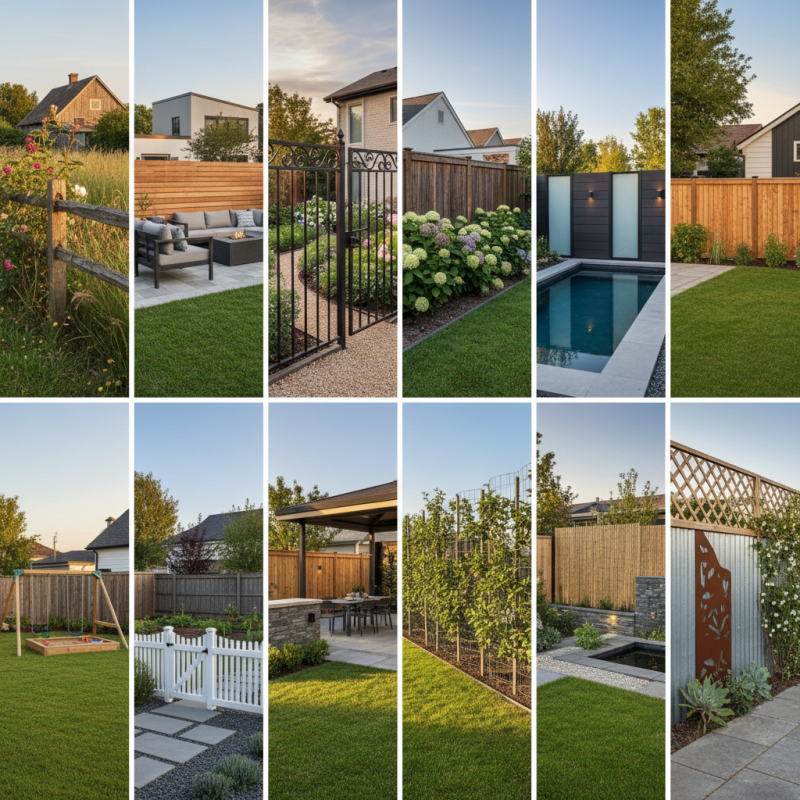
Top 10 Garden Fence Ideas to Enhance Your Outdoor Aesthetic Appeal
Creating a beautiful outdoor space is essential for enjoying nature. A well-designed garden fence can significantly enhance your yard's aesthetic appeal. Choosing the right materials and styles will elevate your garden's look while providing privacy and security. Wood fences are classic and versatile. They can be stained or painted to match your garden theme. Metal fences offer a modern touch and can be adorned with climbing plants.
Consider adding decorative elements to your fence. Planters attached to the fence can bring color and life. String lights can create a cozy atmosphere at night. These small additions can make a big impact.
Tips: Think about your surroundings. Make sure your fence complements your house and the landscape. Over time, maintenance is crucial. Consider how weather affects your materials. Selecting durable options can save you time and money later. Mixing different styles, like bamboo and wrought iron, can create a unique look. Remember, perfection isn’t the goal. A little imperfection can add character to your garden.
Durability and Maintenance: Choosing the Right Material for Your Fence
Choosing the right material for your garden fence can significantly impact durability and maintenance. Wood, vinyl, and metal are popular options, each with unique characteristics. According to a study by the American Society of Landscape Architects, wood remains a favorite for its aesthetic appeal. However, it requires regular staining and sealing. In humid areas, untreated wood can develop rot and mold, leading to costly repairs.
Vinyl has gained traction due to its low maintenance requirements. It resists pests and decay, making it a reliable option for many homeowners. A report from the Fencing Industry Association notes that vinyl fencing can last over 30 years with minimal upkeep. Still, installation costs may be higher initially, which can deter some.
Metal fences, such as aluminum or wrought iron, offer strength and longevity. They are resistant to weather-related wear and do not rust easily when coated appropriately. However, some metal options may require periodic touch-ups to prevent corrosion, especially in coastal areas. Each material has its pros and cons, requiring careful consideration based on your climate and personal preferences. Balancing aesthetics with functionality is key.
Environmental Impact: Sustainable Fencing Solutions for Eco-Friendly Gardens
In today's world, gardens are not just for beauty; they play a role in environmental sustainability. An array of sustainable fencing solutions can enhance your outdoor space while being eco-friendly. Traditional wood fences can lead to deforestation. Instead, consider using bamboo or recycled wood for your fencing. Bamboo, known for its rapid growth, is a strong, renewable resource that creates a lush, natural look.
Metal fences made from recycled materials are another option. Unlike new metal, which requires mining, recycled metals save energy and resources. A 2021 report from the Environmental Protection Agency highlighted that using recycled content reduces greenhouse gas emissions significantly. This eco-friendly approach to fencing is effective in promoting a sustainable garden environment.
When planning your garden fencing, think about integrating living fences. These can be formed with hedges or climbing plants. They not only provide privacy but also support biodiversity. Consider native plants that are low maintenance and beneficial to local wildlife.
Tip: Before you start, research local fencing regulations. This can save time and avoid mistakes.
Tip: Choose fencing materials based on their lifecycle. Look for options that minimize waste and are durable.
Remember, the choices you make today impact the planet tomorrow. Reflect on how your garden can contribute to sustainable practices.
Cost Analysis: Budgeting for Your Ideal Garden Fence Installation
When planning your garden fence, a well-thought-out budget is vital. Different materials, such as wood, vinyl, or metal, can vary significantly in cost. The average installation might range from $1,500 to $4,000, depending on the size and style. Assess your needs first. Consider how long you plan to stay in your home. A more expensive option may not be worth it if your tenure is short.
Don’t forget hidden costs. Installation fees, permits, and maintenance over time add up. Some materials require regular upkeep, while others, like vinyl, may last longer with minimal care. You might find a beautiful wood fence enticing, but remember it may need staining or sealing. Look into DIY options as well. This can reduce labor costs but may require time and skill. Consider both immediate and long-term expenses for the best choice.
Safety Considerations: How Fencing Affects Property Security and Privacy
Fencing is crucial for enhancing property security and privacy. A well-constructed fence acts as a physical barrier, deterring unwanted visitors. It creates a sense of enclosure, which can be comforting. However, not all fences are created equal; some may not offer the protection people expect.
Consider the height and material of your fence. A tall wooden fence can block sight lines, offering privacy. Meanwhile, chain-link fences may provide visibility but lack security. Reflect on your needs and how different styles affect your outdoor space. Aesthetic choices shouldn’t compromise safety.
Think about maintenance, too. Some fences require regular upkeep, which can be time-consuming. Weathering can weaken them, making them less effective over time. Investing in a robust, low-maintenance option may save time in the long run. Balancing beauty with security is essential in creating a safe outdoor sanctuary.