Top 10 Fire Protection Valves You Need for Your Business?
Fire protection valves play a critical role in safeguarding commercial properties against fire hazards. According to the National Fire Protection Association (NFPA), properly maintained fire protection systems can reduce property damage by up to 70%. As fires continue to pose significant risks, businesses must prioritize the selection of effective fire protection valves.
Industry expert Dr. Jane Thompson, a renowned fire safety consultant, emphasizes, “Choosing the right fire protection valves is essential for an effective fire suppression system.” Her insights highlight the importance of not just installation, but ongoing maintenance. Even minor malfunctions in valves can lead to severe consequences during a fire emergency.
Despite advancements in technology, many businesses still overlook the importance of these critical components. In fact, a recent survey revealed that 45% of facilities have inadequate fire protection systems. This statistic illustrates the pressing need for awareness and education about fire protection valves. Prioritizing these essential tools can be the difference between a safe environment and a catastrophic loss.

Key Factors to Consider When Choosing Fire Protection Valves
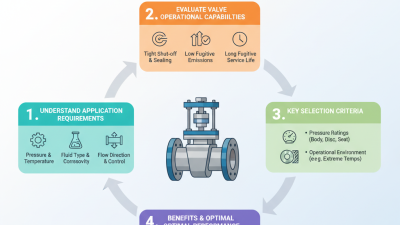
When selecting fire protection valves for your business, consider the material. Different environments may require specific materials. Stainless steel is durable and corrosion-resistant, making it a common choice. However, in certain applications, bronze or PVC may perform better. Assess your facility's conditions to determine the best fit.
Another key factor is the valve's flow rate. This defines the efficiency of the system. An improperly sized valve can lead to inadequate protection during a fire. It is essential to consult with professionals who understand your unique needs. Flow requirements can vary widely depending on the building type and occupancy.
Don't overlook certification standards. Valves must comply with industry regulations to ensure reliability. A valve that meets strict standards may save lives and property. Investigating the certifications can feel overwhelming. However, taking the time to ensure compliance pays off during critical moments. Always seek experts who can provide guidance on these crucial aspects.
Top 10 Fire Protection Valves You Need for Your Business
| Valve Type |
Material |
Size (inches) |
Pressure Rating |
Temperature Range (°F) |
Approval Standards |
| Ball Valve |
Brass |
2 |
150 psi |
-20 to 150 |
UL, FM |
| Gate Valve |
Stainless Steel |
3 |
300 psi |
-40 to 200 |
API, NSF |
| Butterfly Valve |
Ductile Iron |
4 |
150 psi |
-20 to 180 |
AWWA, ANSI |
| Check Valve |
PVC |
2 |
75 psi |
-10 to 140 |
UL, CSA |
| Pressure Relief Valve |
Bronze |
2.5 |
150 psi |
-20 to 180 |
ASME, API |
| Swing Check Valve |
Cast Iron |
6 |
250 psi |
-20 to 200 |
ANSI, AWWA |
| Globe Valve |
Steel |
4 |
200 psi |
-20 to 220 |
ASTM, NSF |
| Ball Check Valve |
PVC |
3 |
100 psi |
-10 to 140 |
UL, NSF |
| Electric Control Valve |
Aluminum |
2 |
200 psi |
-20 to 150 |
CE, UL |
| Solenoid Valve |
Brass |
1 |
150 psi |
-10 to 120 |
UL,CSA |
Overview of Different Types of Fire Protection Valves Available
Fire safety is essential for any business. One critical component is the fire protection valve. These valves control and direct water flow in fire suppression systems. Different kinds of fire protection valves serve unique roles in protecting lives and property.
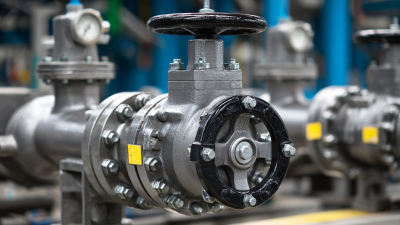
A common type is the check valve. It prevents backflow, ensuring that water flows only in one direction. Another type is the butterfly valve, favored for its lightweight design and quick operation. It allows for rapid opening and closing, making it ideal in emergency situations. Gate valves are also noteworthy; they offer excellent flow control but may take longer to operate. Each valve has pros and cons that require careful consideration.
Businesses must assess their specific needs when choosing valves. The right choice hinges on system requirements and environment. Regular maintenance and testing are also crucial for reliable performance. While the selection process can be tricky, understanding these valve types improves fire safety readiness.
Top 10 Must-Have Fire Protection Valves for Your Business
When it comes to fire protection, having the right valves is crucial for safety and compliance. According to the National Fire Protection Association (NFPA), fire systems need regular maintenance and should include reliable valves. The selection of valves can impact the system's efficiency significantly. Data shows that a well-maintained fire protection system can reduce property damage by up to 70%.
The essential fire protection valves include check valves, gate valves, and post indicator valves. Check valves prevent backflow, protecting your system from contaminants. Gate valves allow for easy shut-off during maintenance. However, many businesses neglect regular inspections for these components. This can lead to hidden failures and jeopardize safety.
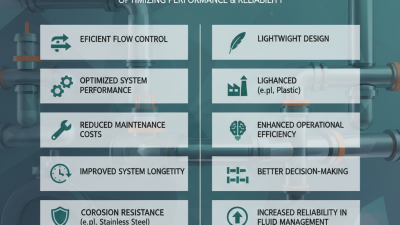
Further, ensuring that your valves are corrosion-resistant is vital. Corrosion can weaken valve performance and lead to leaks, causing unwanted consequences. A recent report highlighted that 50% of fire protection system failures stem from valve issues. Investing time and resources in selecting and maintaining the right fire protection valves is not just advisable; it is a necessity for any business prioritizing safety.
Installation and Maintenance Best Practices for Fire Protection Valves
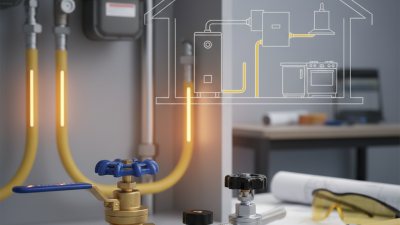
When installing fire protection valves, proper placement is crucial. These valves should be easily accessible for maintenance and inspection. Ideal locations are near the fire suppression system and on pipelines. Ensure that there is adequate space for technicians to work comfortably. Accessibility helps in minimizing downtime during emergencies.
Regular maintenance is vital to ensure these valves function correctly. Schedule inspections at least once a year. During inspections, check for leaks, corrosion, and operational functionality. It's often overlooked, but even small leaks can lead to significant issues. Clean the valves regularly to remove dirt and debris that could affect performance. Document all maintenance activities; this aids in tracking any recurring issues.
Training your team on valve operation is also essential. Ensure they understand how to operate and maintain the valves correctly. Sometimes, staff may feel unsure about these procedures, leading to potential mistakes. Encourage open dialogues about any concerns regarding valve functionality. This proactive approach fosters a culture of safety and reliability in your workplace.
Regulatory Standards and Compliance for Fire Protection Valves
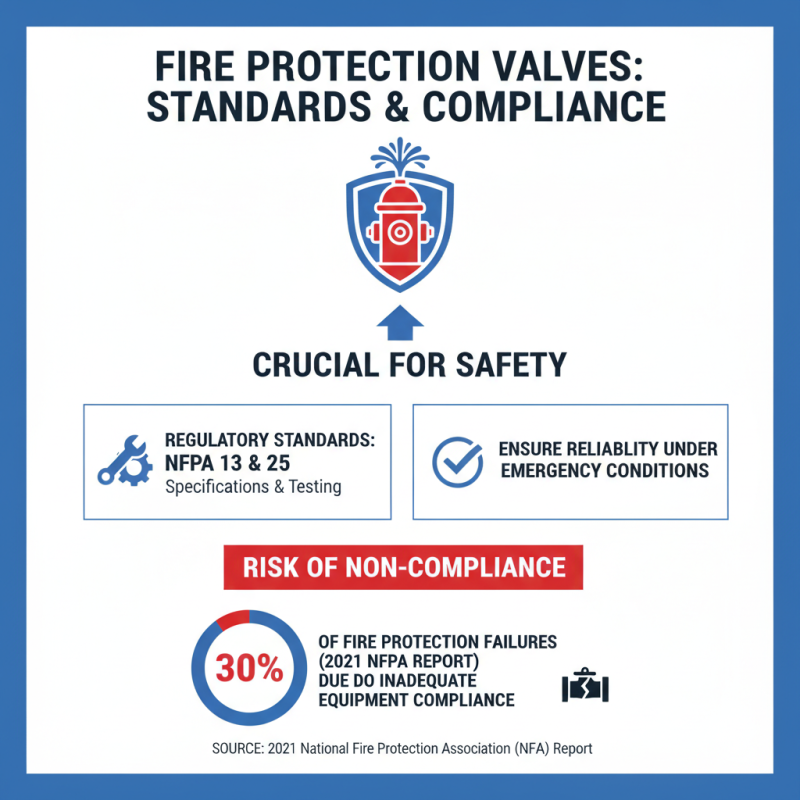
In the realm of fire protection, valves play a crucial role in safety and compliance. Regulatory standards, such as NFPA 13 and 25, dictate the specifications and testing required for fire protection systems. These standards ensure that all equipment, including valves, are reliable under emergency conditions. According to a 2021 report from the National Fire Protection Association (NFPA), more than 30% of fire protection failures were attributed to inadequate equipment compliance.
Different industries may face unique compliance challenges. For example, healthcare facilities must follow stringent regulations regarding fire safety equipment. The frequency of inspections and testing varies across sectors. In manufacturing facilities, valves may need to comply with additional regulations related to hazardous materials. Often, organizations overlook the need for regular maintenance, which can leave them vulnerable to fines or, worse, catastrophic failures.
A significant gap in compliance can arise from a lack of training for maintenance staff. Many facilities prioritize other updates over valve inspections, leading to regulatory breaches. Ensuring staff are educated on the importance of compliance is vital. As industry standards evolve, staying informed about changes is essential. Regular training and updates can bridge this gap and enhance overall safety.