2026 Top Electrical Breakers Guide for Global Buyers
In the fast-evolving world of electrical systems, the importance of reliable Electrical Breakers cannot be overstated. These devices play a crucial role in safeguarding homes and industries. With a plethora of options available globally, buyers face challenges in choosing the right electrical breaker.
Understanding the features, functions, and specifications of these products is vital. Some Electrical Breakers offer advanced safety features, while others excel in durability. The market also presents a variety of brands, each claiming superiority. This makes informed decisions imperative. However, not all claims hold true under scrutiny.
Buyers must navigate through potential pitfalls, often resulting from misleading information. Learning from past experiences and expert recommendations can aid in making better choices. With the right knowledge, global buyers can confidently invest in Electrical Breakers that meet their specific needs and safety standards.
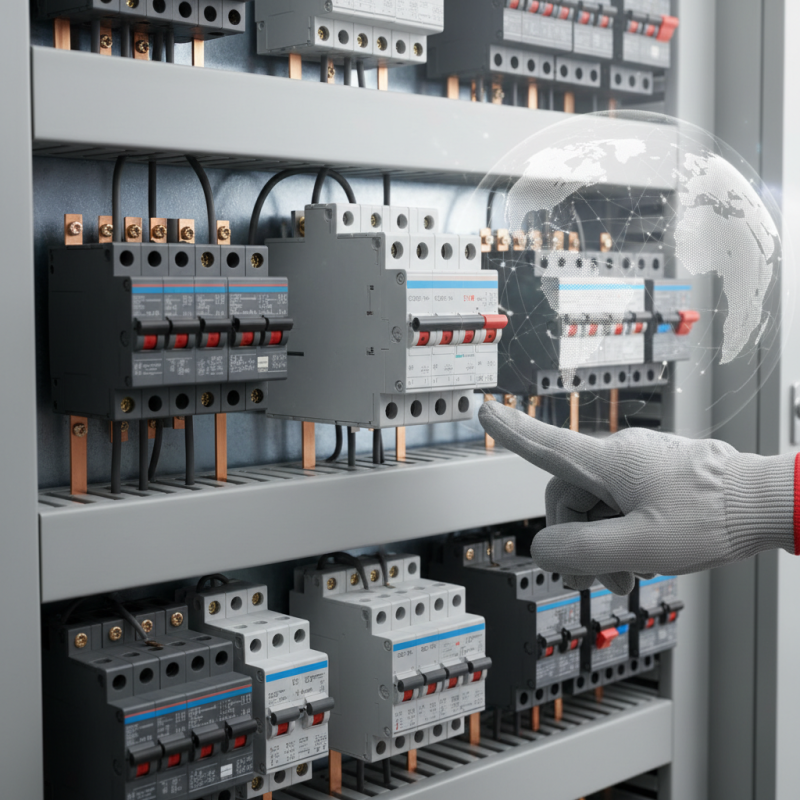
Overview of Global Electrical Breakers Market Trends in 2026
The global electrical breakers market is poised for significant changes in 2026. As technology evolves, we see a clear shift towards smarter electrical solutions. Consumers are increasingly demanding products that enhance safety and efficiency. This trend drives manufacturers to invest in innovative designs. Enhanced functionalities, like remote monitoring, are becoming common.
The rise of renewable energy sources also impacts market dynamics. As more homes and businesses adopt solar and wind power, the need for compatible breakers grows. These systems require specialized breakers for optimal performance. However, not all manufacturers meet the necessary standards. Quality assurance is essential, yet it's often overlooked.
Market trends show a growing focus on sustainability. Eco-friendly materials are gaining traction. These products aim to reduce environmental footprints. However, the challenge lies in balancing cost and reliability. Some buyers may be hesitant to invest in greener options. The journey towards a fully sustainable market continues, requiring ongoing evaluation and improvement.
Key Specifications and Standards for Electrical Breakers Worldwide
When selecting electrical breakers, understanding key specifications and standards is crucial. Different regions have distinct requirements. For instance, in Europe, products must comply with IEC standards. These standards ensure that breakers provide adequate protection against overloads and faults. Knowing these regulations helps buyers make informed decisions.
Another important aspect is the ratings associated with electrical breakers. These include voltage, current, and interrupting capacity. Buyers should verify these ratings against local codes. The wrong specifications can lead to safety hazards. There's often confusion about these ratings, and it’s essential to clarify them before making a purchase.
Moreover, buyers must consider environmental factors. For instance, temperature and humidity can affect breaker performance. Evaluating the installation locale aids in selecting appropriate models. Reflecting on these factors can prevent future failures. Overall, awareness of specifications and standards is fundamental for ensuring reliability and safety in electrical systems.
Top Manufacturers and Their Market Share in the Electrical Breaker Industry
In the electrical breaker industry, market share varies significantly among top manufacturers. This competition drives innovation and pricing strategies. Understanding these dynamics is crucial for global buyers. Key players have established strong reputations over time. Their products often reflect reliability and advanced technology. Despite this, evaluating new entrants can be challenging. Some newer companies bring fresh ideas to the market.
When selecting electrical breakers, consider the manufacturer's market share. Larger companies typically offer a broad range of products. However, smaller manufacturers can provide niche solutions. It’s important to assess the long-term availability of spare parts. This can impact overall maintenance costs and system reliability.
**Tips:** Research user reviews and expert opinions. Compare technical specifications carefully. Don't overlook warranty options, as they can indicate product confidence. Always keep an eye on market trends. They might reveal shifts in quality or pricing. Investing time in research can yield significant returns.
2026 Top Electrical Breakers Guide for Global Buyers
| Manufacturer | Market Share (%) | Product Range | Headquarters Location | Year Established |
| Manufacturer A | 25% | MCB, RCCB, ACB | USA | 1995 |
| Manufacturer B | 20% | MCB, RCCB | Germany | 1988 |
| Manufacturer C | 15% | ACB, MCB | Japan | 2001 |
| Manufacturer D | 10% | RCCB | China | 2010 |
| Manufacturer E | 8% | MCB, ACB | South Korea | 2005 |
| Manufacturer F | 7% | RCCB, ACB | Italy | 1992 |
| Manufacturer G | 5% | MCB | Canada | 1980 |
| Manufacturer H | 5% | RCCB, ACB | India | 1985 |
Innovations and Technologies Driving Electrical Breaker Performance
The electrical breaker industry is experiencing significant innovations that enhance performance and safety. Advanced technologies such as smart circuit breakers are gaining traction. According to a report by Research and Markets, the global smart circuit breaker market is projected to reach $20 billion by 2026. These devices offer real-time monitoring and remote connectivity, allowing for better load management and fault detection.
Recent developments in materials also play a crucial role. Manufacturers are increasingly using durable insulation materials that improve thermal performance. For example, polymer-based materials can withstand higher temperatures and environmental stresses. Yet, these advancements come with challenges. Integrating these new technologies into existing infrastructures can be complex and costly.
Another emerging trend is the shift towards energy-efficient designs. Breakers with enhanced energy-saving capabilities can reduce overall power consumption. A study from the International Energy Agency indicates that energy-efficient electrical systems could lower global electricity demand by up to 10% by 2040. However, the adoption of these technologies is still uneven globally. Accessibility and cost remain significant barriers for many regions.
Cost Analysis and Price Trends of Electrical Breakers Across Regions
As the global demand for electrical breakers rises, cost analysis becomes crucial. According to a recent market report by Fortune Business Insights, the electrical breaker market is projected to reach $18.31 billion by 2027. This growth stems from increased infrastructure developments and the adoption of renewable energy sources. However, different regions exhibit vast price trends, influenced by local manufacturing costs and regulations.
In North America, for instance, the average price of electrical breakers has risen by 15% over the past two years, attributed to material shortages and supply chain disruptions. Contrastingly, Asia-Pacific regions, particularly India and China, continue to offer competitive pricing. Prices in these markets have remained stable, mainly due to lower labor costs and increased production capacities. Global buyers should weigh these factors carefully.
Yet, it's important to reflect on the pricing fluctuations. They may indicate market volatility, often reflecting underlying economic challenges. Buyers might face risks such as rising tariffs or changes in local regulations. Monitoring market trends and engaging with reliable data sources will aid in making informed decisions. Balancing cost with quality and safety standards remains a crucial aspect for global buyers navigating this dynamic landscape.
Cost Analysis of Electrical Breakers Across Regions (2026)