2025 Top 5 Deluge System Solutions for Enhanced Fire Safety Management
In the realm of fire safety management, the deluge system represents a crucial line of defense against catastrophic fire incidents. As industries become increasingly complex and fire risks escalate, the implementation of advanced deluge system solutions becomes imperative. According to a recent report by the Fire Safety Research Institute, the use of deluge systems has been shown to reduce fire damage by up to 80% in high-hazard environments. This statistic underscores the growing importance of selecting the right deluge system to ensure comprehensive fire protection.
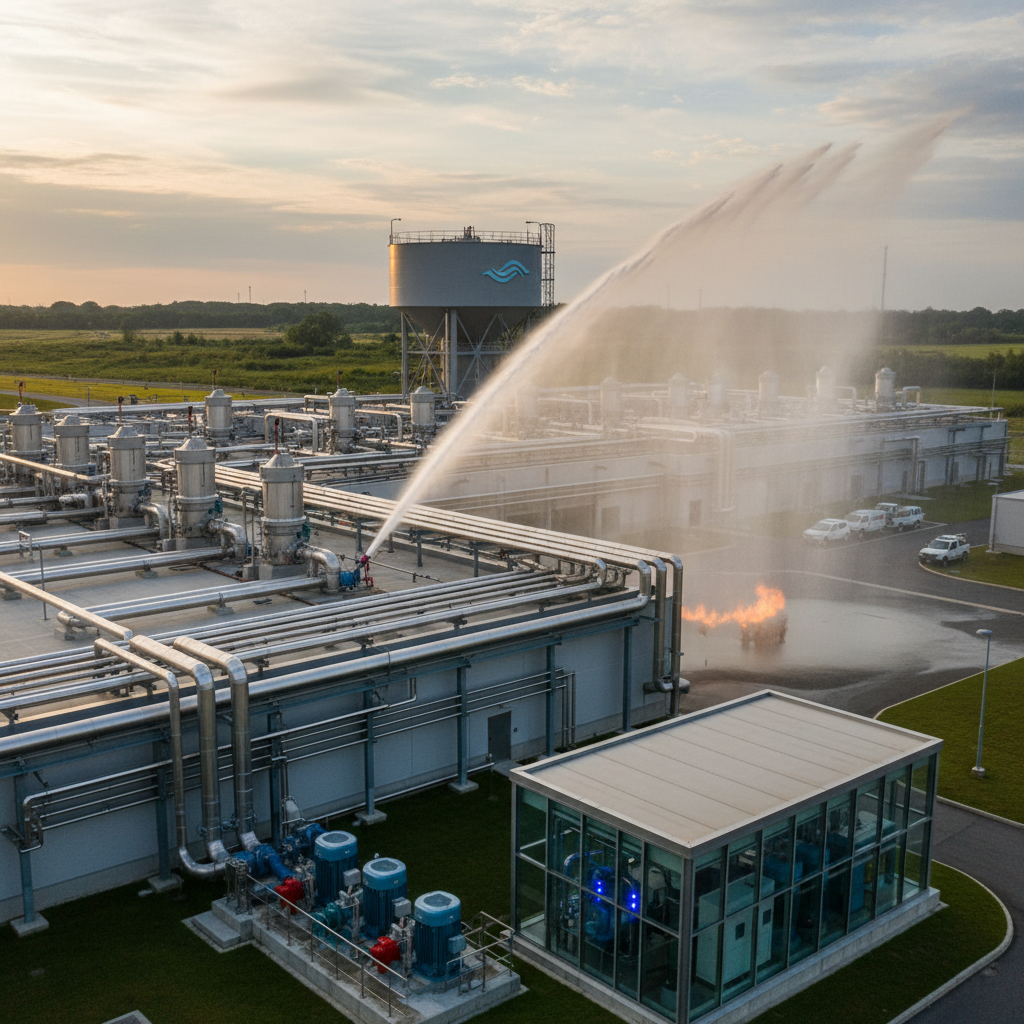
Renowned fire safety expert Dr. Emily Turner emphasizes the significance of modernizing fire protection systems, stating, "The evolution of deluge systems is not just about compliance; it’s about safeguarding lives and assets in high-risk settings." As organizations prepare for the increasing regulatory demands and heightened public safety concerns, exploring the top deluge system solutions for 2025 will be pivotal. This article aims to highlight the leading technologies and strategies that will shape the future of fire safety management, ensuring that businesses are well-equipped to handle emerging challenges.
Advanced Deluge Systems: Understanding Their Role in Modern Fire Safety Management
Advanced deluge systems have emerged as a critical component in modern fire safety management, particularly in high-risk environments such as industrial facilities and large public spaces. These systems are designed to deliver large volumes of water rapidly to extinguish fires quickly and effectively.
Unlike conventional sprinkler systems, deluge systems utilize open nozzles that activate simultaneously, providing an immediate and overwhelming response to emerging flames. This rapid deployment not only suppresses fires more efficiently but also minimizes potential damage and operational downtime.

Understanding the role of advanced deluge systems involves recognizing their strategic importance in comprehensive fire safety protocols. These systems are often integrated with cutting-edge detection technologies, enabling them to respond autonomously to fire hazards. Furthermore, their adaptive design allows for customization based on the specific risks associated with different environments, thereby enhancing overall safety management.
As the industry evolves, incorporating advanced deluge systems becomes essential for organizations looking to bolster their fire safety strategies and protect both assets and lives in the face of potential fire emergencies.
Top Technologies Driving Deluge System Efficiency in 2025 Fire Safety Solutions
In 2025, the realm of fire safety management is set to witness a transformative leap, driven by advancements in deluge system technologies. These systems, designed to quickly and effectively suppress fires in high-risk environments, are integrating cutting-edge solutions to enhance their efficiency. Key innovations such as smart sensor networks and IoT connectivity are revolutionizing the way deluge systems detect and respond to fire hazards, enabling real-time monitoring and rapid activation to mitigate potential disasters.
Additionally, the incorporation of artificial intelligence and machine learning algorithms is refining the predictive capabilities of these systems. By analyzing vast amounts of data from environmental sensors and historical incident reports, AI can optimize the deployment of water resources and minimize false alarms. Furthermore, developments in materials science are leading to more durable and reliable piping and nozzles, ensuring that these systems operate at peak performance under extreme conditions. In 2025, these technologies will not only improve fire safety management but also significantly reduce operational costs for businesses and enhance overall safety for communities.
Evaluating Cost-Effectiveness: Deluge Systems vs. Traditional Fire Suppression Methods
As fire safety management evolves, the effectiveness and efficiency of fire suppression methods are under continuous scrutiny. Deluge systems, characterized by their rapid response and widespread coverage, present a compelling case when evaluated against traditional fire suppression techniques such as sprinkler systems and handheld extinguishers. These systems discharge large volumes of water over a designated area, making them particularly beneficial for high-risk environments such as industrial facilities and warehouses, where fire spread can be rapid and catastrophic.
Cost-effectiveness is a critical consideration for organizations when choosing a fire suppression solution. While deluge systems may entail higher upfront installation costs compared to traditional methods, their ability to mitigate extensive fire damage can lead to significant long-term savings. For example, a deluge system can quickly control a blaze, reducing property loss and minimizing downtime. Furthermore, the potential for lower fire insurance premiums and compliance with strict regulatory standards can enhance the financial viability of investing in a deluge system, ultimately positioning it as a smart choice for robust fire safety management.
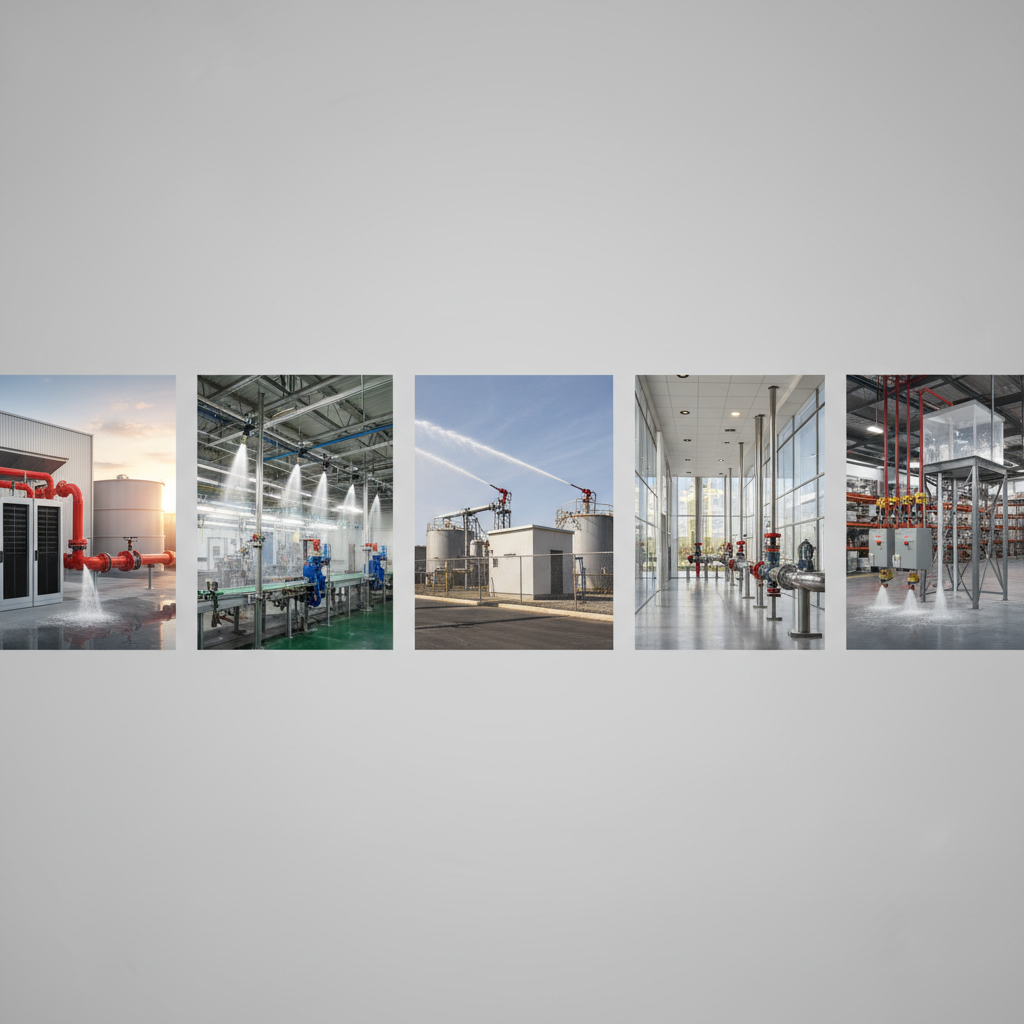
2025 Top 5 Deluge System Solutions vs. Traditional Fire Suppression Methods
Integration of Smart Technology in Deluge Systems for Real-Time Fire Response
The integration of smart technology into deluge systems is revolutionizing fire safety management by enabling real-time fire response capabilities. According to a recent report by the National Fire Protection Association (NFPA), the implementation of advanced fire suppression systems has shown a decrease in property damage by up to 40% compared to traditional methods. This innovative approach leverages sensors, AI algorithms, and IoT connectivity to detect fires immediately and deploy water or firefighting agents with precision, significantly enhancing the effectiveness of emergency responses.
To maximize the benefits of these smart deluge systems, organizations should consider the following tips: First, regularly update and maintain your system to ensure that software updates and hardware components are functioning optimally. Second, invest in training for your staff to understand how to utilize these technologies effectively during emergencies. The synergy of technology and human awareness can greatly improve response times and minimize risks.
Moreover, the data collected from these integrated systems can be invaluable for fire safety audits and compliance. The ability to analyze real-time data helps identify potential fire hazards, allowing organizations to take proactive measures. As the industry evolves, embracing such technological advancements will be critical in shaping a safer future for fire management.
Case Studies: Successful Implementation of Deluge Systems in High-Risk Environments
Deluge systems have become a cornerstone in fire safety management, particularly in high-risk environments like petrochemical facilities and data centers. According to the National Fire Protection Association (NFPA), effectively designed deluge systems can reduce fire damage costs by up to 30%, underscoring their importance in safeguarding critical infrastructure. A case study from a major oil refinery highlighted that the installation of a deluge system led to a dramatic decrease in response time to fire incidents, enhancing overall site safety.
In one notable instance, a power generation facility implemented a deluge system after experiencing multiple near-miss events. Post-implementation analyses revealed that the rapid discharge capabilities of the system curtailed potential fire spread by nearly 50%. This statistic aligns with findings from the Fire Protection Research Foundation, which indicates that environments equipped with deluge systems experience a significant reduction in both incident frequency and severity.
These successes exemplify the effectiveness of deluge systems in providing a reliable fire suppression method that enhances safety management strategies across various industries.