Top 10 Types of Carbon Facial Machines for Global Buyers
Choosing the right Carbon Facial Machine requires more than comparing prices or counting treatment modes. Global buyers must examine laser technology, energy control, cooling systems, operating costs, and after-sales support. A polished product page may hide important limitations.
This guide introduces ten common types, including Q-switched Nd:YAG systems, multifunction platforms, compact salon units, and advanced devices with adjustable pulse settings. Each type serves different needs. A small beauty studio may prefer a portable machine with simple controls, while a dermatology clinic may require precise calibration and stronger documentation. Treatment rooms also matter: ventilation, operator visibility, and patient comfort can influence daily performance.
Real purchasing decisions should include more than technical specifications. Buyers should verify manufacturer identity, training materials, warranty terms, maintenance access, and relevant certifications for their market. Local rules may classify these devices differently, so professional and regulatory advice remains important. Never treat marketing language as clinical evidence.
No machine is perfect.
Some affordable models offer useful features but limited service support. Expensive systems may still create workflow problems if staff training is weak. This overview therefore focuses on practical differences, realistic advantages, and possible weaknesses across ten Carbon Facial Machine categories. It also encourages buyers to compare pulse stability, carbon lotion compatibility, skin-safety procedures, and documented performance. Careful evaluation helps clinics and salons choose equipment responsibly, without promising results that the device cannot reliably deliver.
Understanding Carbon Facial Machines and Their Core Functions
Carbon facial machines are professional aesthetic systems designed to support carbon peel treatments. A practitioner usually applies a thin carbon lotion, allows it to dry, and uses controlled light pulses to heat and remove the carbon layer. This process can lift surface debris and temporarily improve the appearance of oily skin and enlarged pores. The machine does not replace diagnosis or skincare advice.
The main types include laser-only units, integrated carbon peel systems, and multifunction platforms with cooling, cleansing, or light-based modules. Their core functions include adjustable energy, pulse duration, spot size, cooling, and treatment counters. These settings matter. Too much energy may cause discomfort or irritation, while too little may produce limited visible change. Real treatment results vary with skin condition, carbon formulation, operator skill, and aftercare.
Global buyers should examine user manuals, electrical compatibility, service access, safety documentation, and local regulatory requirements. A reliable supplier should explain calibration, protective eyewear, cleaning procedures, and staff training. Practical testing helps: check whether the handpiece feels balanced and whether controls remain clear during use. Marketing language can sound precise, but it is not always evidence. Even experienced operators may need to adjust settings cautiously, because skin responses are not perfectly predictable.
Top 10 Types of Carbon Facial Machines for Global Buyers
Understanding Carbon Facial Machines and Their Core Functions
The chart compares common carbon-facial platform configurations by their nominal operating wavelength. A 1064 nm Q-switched Nd:YAG laser is the most established configuration for carbon laser peels, while other wavelengths and technologies are commonly used as adjunctive functions for pigmentation, texture, vascular concerns, hair reduction, or skin tightening.
Ten Main Types of Carbon Facial Machines for Global Buyers
The ten main types of carbon facial machines differ by energy source, wavelength, pulse duration, and treatment depth. The category is less tidy than sales pages suggest. A carbon peel usually needs controlled laser energy to heat and remove carbon particles. Confirming compatibility matters more than a glossy specification sheet.
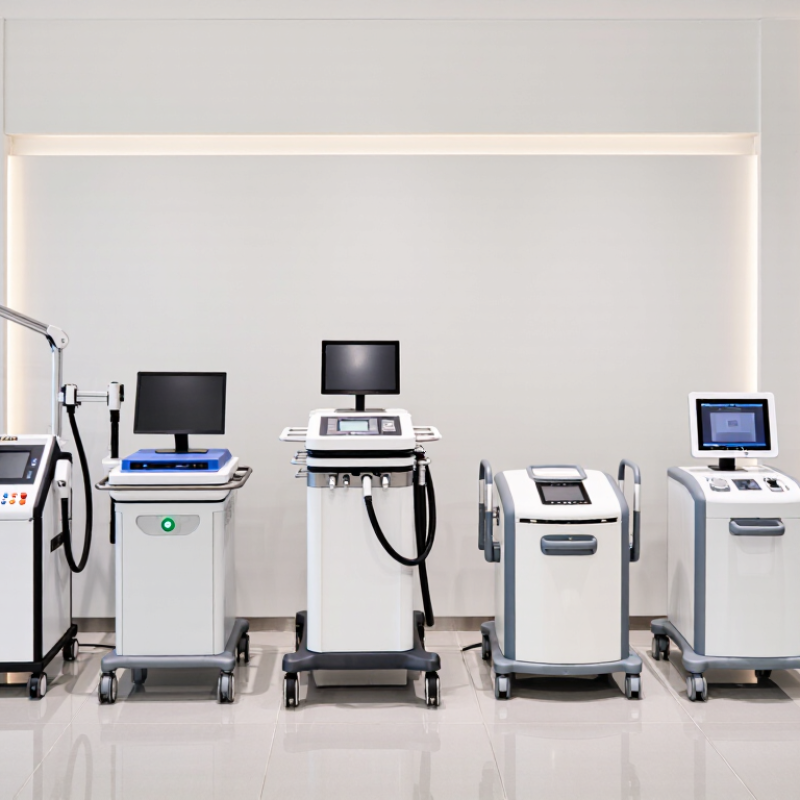
The ten types include Q-switched Nd:YAG 1064 nm, Q-switched Nd:YAG 532 nm, long-pulse Nd:YAG, picosecond 1064 nm, picosecond 755 nm, fractional CO2, fractional Er:YAG, non-ablative 1540/1550 nm systems, diode laser systems, and IPL-based systems. Some platforms add radiofrequency, hydrodermabrasion, or LED modules, but these are usually support technologies. They should not be presented as equivalent carbon-peel lasers. For global buyers, adjustable fluence, pulse control, cooling, spot size, eye protection, and service documentation deserve close inspection.
Demand is significant. The ISAPS 2023 Global Survey recorded more than 19 million nonsurgical aesthetic procedures worldwide. That figure indicates market activity, not guaranteed treatment outcomes. Skin tone, carbon formulation, operator training, and aftercare can change results sharply. Q-switched and picosecond systems may suit superficial pigmentation concerns, while fractional systems target resurfacing with greater downtime. That distinction is often underexplained. Buyers should request clinical evidence, maintenance records, electrical certifications, and region-specific compliance documents. A cheaper machine may become expensive after repeated calibration problems.
Key Factors for Comparing Carbon Facial Machines Across Markets
Top 10 Types of Carbon Facial Machines for Global Buyers
Comparing carbon facial machines across markets requires more than checking power ratings. Buyers should examine energy source, pulse duration, wavelength, cooling design, and treatment controls. Q-switched Nd:YAG systems are common, while dual-wavelength, picosecond, fractional, portable, tabletop, and multifunction models serve different clinics. Some systems combine carbon peeling with other facial procedures, but broader functions may increase training demands.
Local compliance matters. Confirm electrical voltage, plug standards, laser classification, registration rules, and operator requirements before importing. A machine approved in one region may need additional documentation elsewhere. Ask for test reports, user manuals, calibration records, and clear maintenance procedures. Do not rely on translated sales claims alone. Independent technical review is safer.
Treatment consistency also deserves attention. Compare spot size, repetition rate, handpiece weight, cooling response, and carbon lotion compatibility. A compact device may suit mobile services, yet its smaller cooling system could limit long sessions. That trade-off is easy to overlook. Buyers should request demonstrations using realistic skin types and operating conditions. Results can vary with operator technique, carbon preparation, and client sensitivity. Even experienced users may misjudge a device after a short demonstration. Long-term service access, spare-part availability, warranty limits, and staff training often matter more than an impressive specification sheet.
Safety, Maintenance, and Regulatory Considerations for Buyers
Top 10 Types of Carbon Facial Machines for Global Buyers
Carbon facial machines differ by laser wavelength, pulse settings, cooling systems, and operating controls. Buyers should compare safety features before cosmetic performance claims. A visible emergency stop button matters. Adjustable energy levels help practitioners work with different skin sensitivities. Protective eyewear must match the device’s wavelength and remain available during every procedure.
Use only carbon products intended for the specific treatment system. Perform a skin assessment and patch test before full treatment. Avoid treating irritated skin, active infections, or unexplained lesions. Operators need documented training, clear treatment protocols, and careful records of energy settings. Keep the room ventilated and prevent reflective objects near the treatment area. Small oversights can cause real problems.
Maintenance should include cleaning the handpiece, inspecting cables, checking cooling airflow, and verifying calibration intervals. Follow the manufacturer’s service instructions, even when the machine appears functional. Keep maintenance logs with dates, findings, and corrective actions. Buyers should also verify local registration, electrical safety documentation, labeling, warranty terms, and import requirements. Depending on the market, authorities may require specific conformity marks or product clearance. Requirements can change. Confirm them with the relevant regulatory authority before purchase and avoid relying only on a supplier’s statement.