Top 10 Car Rear Spoilers for Improved Performance and Style?
Enhancing your vehicle's performance and style often involves the addition of a Car Rear Spoiler. This component not only improves aerodynamics but also adds a distinct aesthetic appeal to your car. Many car enthusiasts invest in rear spoilers, looking to stand out or experience better handling at high speeds.
Choosing the right Car Rear Spoiler can be overwhelming. The market presents a variety of styles and designs that cater to different needs and tastes. Some spoilers reduce drag, while others prioritize visual impact. A well-chosen spoiler can significantly alter your car's profile and performance. Yet, improper selection may lead to issues like increased noise or reduced fuel efficiency.
It's essential to understand the science behind these accessories. Rear spoilers work by creating downforce, which helps maintain traction at speed. The right design complements the car's body, enhancing both form and function. In this guide, we will explore the top ten Car Rear Spoilers that blend performance with style, helping you make an informed decision for your vehicle.
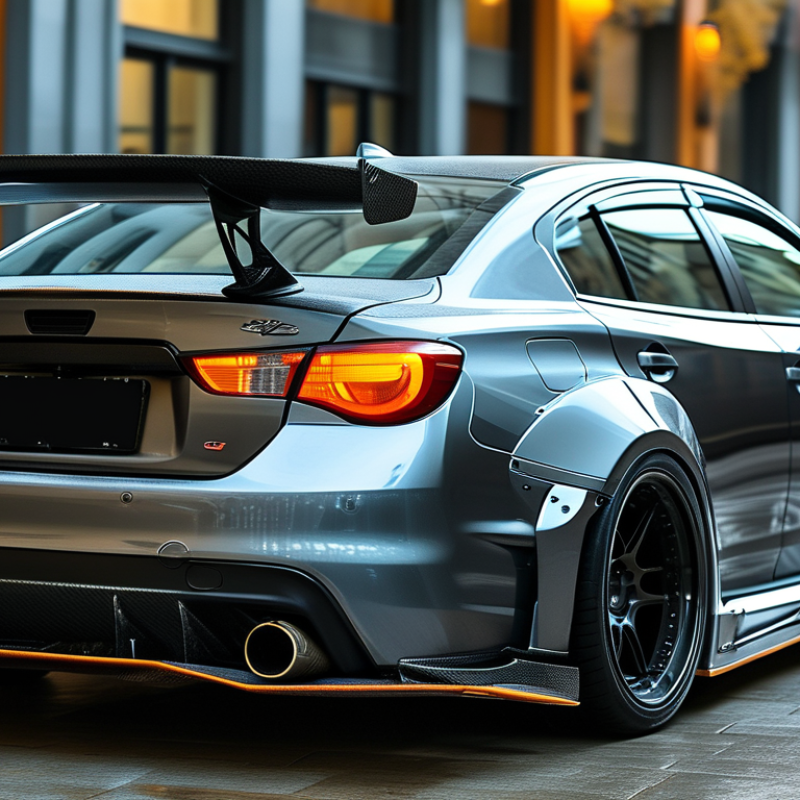
Benefits of Car Rear Spoilers for Aerodynamic Efficiency
Car rear spoilers play a significant role in enhancing both aerodynamic efficiency and vehicle aesthetics. These components are designed to alter airflow around the vehicle, reducing drag and improving overall handling. According to a report from the Society of Automotive Engineers, even a small rear spoiler can reduce drag by up to 5%. This reduction can translate into improved fuel efficiency, especially during highway driving.
Moreover, rear spoilers contribute to increased downforce. This downforce keeps cars more stable at higher speeds, which is crucial for performance vehicles. For instance, data from motorsport analysis indicates that vehicles equipped with well-designed rear spoilers can achieve cornering speeds that are up to 10% faster than those without such modifications. However, the effectiveness of a rear spoiler depends on its design and placement. Poorly designed spoilers can create uneven airflow, leading to unintended turbulence.
While enthusiasts often seek out spoilers for style, it is essential to consider their impact on performance. Aesthetic preferences can lead to choices that do not favor aerodynamic benefits. This reflects the complex relationship between design and functionality. Understanding how spoilers affect vehicle dynamics requires deep knowledge and careful consideration. It's essential to approach this aspect of vehicle enhancement with both passion and caution.
Top 10 Car Rear Spoilers for Improved Performance and Style
| Rank | Spoiler Type | Material | Weight (lbs) | Aerodynamic Efficiency (%) | Style Factor |
| 1 | Type A | Carbon Fiber | 2.5 | 15 | High |
| 2 | Type B | ABS Plastic | 3.0 | 12 | Medium |
| 3 | Type C | Fiberglass | 4.0 | 10 | Low |
| 4 | Type D | Aluminum | 2.0 | 18 | High |
| 5 | Type E | Polyurethane | 3.5 | 14 | Medium |
| 6 | Type F | Carbon Fiber | 2.8 | 16 | High |
| 7 | Type G | ABS Plastic | 3.2 | 11 | Medium |
| 8 | Type H | Fiberglass | 4.2 | 9 | Low |
| 9 | Type I | Aluminum | 1.8 | 20 | High |
| 10 | Type J | Polyurethane | 2.2 | 13 | Medium |
Key Design Features of High-Performance Spoilers
When it comes to enhancing your car’s performance and style, a well-designed rear spoiler plays a crucial role. Effective spoilers are engineered to optimize airflow, reducing drag and increasing downforce. This can result in improved traction during high-speed maneuvers. A properly mounted spoiler can enhance stability, especially in fast corners. Yet, it's essential to consider the balance between form and function. Not all designs achieve this harmony effectively.
High-performance spoilers often feature adjustable components. This allows drivers to tailor their aerodynamics based on racing conditions. Materials like lightweight carbon fiber or durable thermoplastics ensure that the spoiler is both strong and efficient. However, installation methods may vary. Some require professional fitting, which can lead to added costs. Additionally, not every spoiler suits every car model. Research is necessary to find the right match.
Aesthetic appeal is important, yet it can't overshadow performance. Spoilers should complement the vehicle’s lines. A mismatched design can harm the overall look. Furthermore, attention to detail is vital. Poorly designed mounts can lead to noise or instability. As you explore options, consider both visual impact and aerodynamic function. Finding this balance can be challenging but rewarding in improving your vehicle’s character.
Top Brands and Their Innovations in Rear Spoiler Technology
When it comes to rear spoilers, innovation is key in the automotive world. Many brands focus on enhancing performance through aerodynamics. A well-designed spoiler can significantly improve downforce. This allows a vehicle to maintain better traction at high speeds. Car enthusiasts are particularly interested in these enhancements.
Some companies have led the charge in spoiler technologies. Lightweight materials are often used to make spoilers more effective. These advancements help in fuel efficiency while boosting performance. Engineers constantly test new shapes and designs. The result can be a marked improvement in handling and cornering abilities. However, not all spoilers blend seamlessly with a car's design. Some may look bulky or out of place.
The aesthetics of spoilers matter as much as functionality. A sleek design can elevate the visual appeal of a vehicle. Yet, not every design achieves this balance. Some drivers may find the look unattractive despite performance benefits. This can lead to a reflection on personal preferences versus practicality. Understanding these dynamics is crucial for anyone considering a rear spoiler.
Top 10 Car Rear Spoilers Performance Comparison
Comparative Analysis of Spoiler Materials: Carbon Fiber vs. ABS
When considering the right rear spoiler for your vehicle, material heavily influences performance and style. Carbon fiber and ABS plastic stand out as popular choices. Carbon fiber, known for its lightweight and strength, can enhance aerodynamics significantly. A report by the Specialty Equipment Market Association (SEMA) indicates that cars equipped with carbon fiber spoilers can achieve up to a 30% reduction in drag. This efficiency is vital for performance enthusiasts. Moreover, carbon fiber boasts a refined aesthetic that often appeals to those seeking an upscale look.
On the other hand, ABS plastic offers durability and affordability. According to industry analysis, ABS is less prone to cracking under stress, making it a dependable choice for daily drivers. Its weight is higher than carbon fiber, which could slightly impact performance, but the trade-off is often seen as worthwhile by budget-conscious consumers. Installation of ABS spoilers typically requires less expertise, highlighting its user-friendly nature. However, some reports suggest that the gloss finish on ABS may fade faster than carbon fiber, leading to maintenance challenges over time.
Impact of Spoilers on Vehicle Handling and Fuel Efficiency
Spoilers can enhance both the performance and aesthetics of a vehicle. They are designed to improve aerodynamics. By redirecting airflow, spoilers generate downforce. This downforce increases traction, particularly at high speeds. Cars with effective spoilers can handle sharp turns better than those without. This is crucial for driving enthusiasts who prioritize handling.
Fuel efficiency can also be impacted by spoilers. A well-designed spoiler reduces drag, leading to better mileage. Lower drag means the engine doesn't have to work as hard, saving fuel. However, not all spoilers are beneficial. Some can create excessive drag in certain conditions. Therefore, it's essential to choose wisely based on the vehicle type and driving habits.
Real-world testing shows mixed results. Some drivers notice difference in handling. Others may feel the change is negligible. The effectiveness can vary based on speed and driving style. Thus, potential buyers should consider their specific needs. Making informed decisions can lead to better performance and efficiency on the road.