Top Battery Connector Types for Your Sourcing Needs?
Battery Connectors play a crucial role in the efficiency and safety of power systems. A recent industry report estimates the global battery connector market will reach $12 billion by 2025. This growth reflects the rising demand for electric vehicles and renewable energy solutions. Battery connectors are vital components in various applications, from consumer electronics to industrial machinery.
Choosing the right battery connector can be challenging. It requires a deep understanding of design specifications and power requirements. For instance, connectors must withstand environmental factors such as humidity and temperature fluctuations. The reliability of battery connectors directly impacts operational performance. Inadequate choices can lead to failures, resulting in costly downtime.
Given the variety of battery connector types available, sourcing decisions should be strategic. Common types include blade connectors, ring terminals, and DC power connectors. Each type suits different applications, highlighting the need for careful consideration. The multitude of options can make decision-making complex. However, understanding specific requirements can streamline the selection process, ensuring optimal performance and safety in your application.
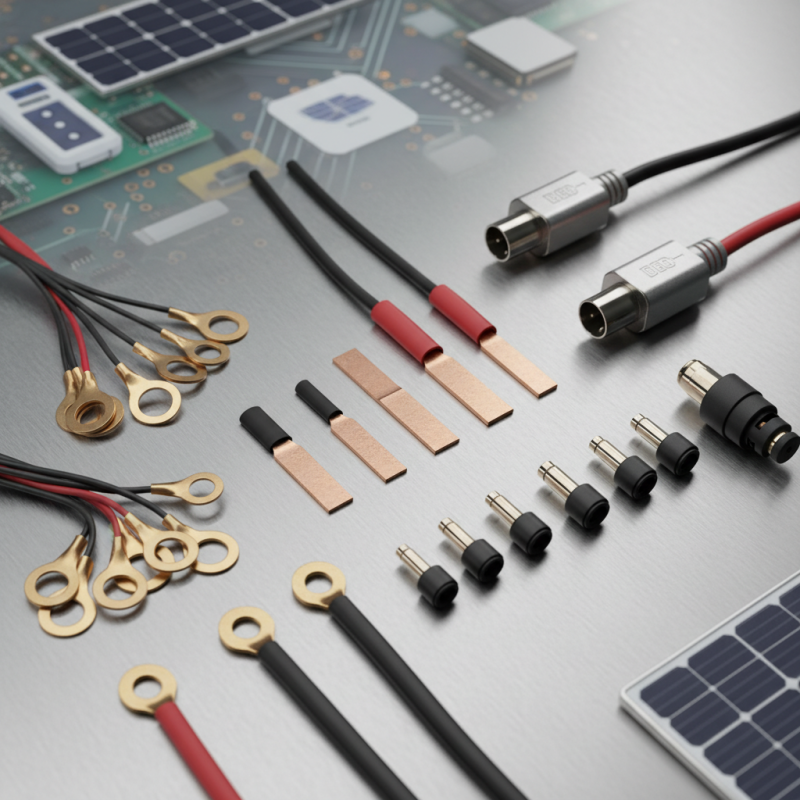
Overview of Battery Connector Types and Their Applications
Battery connectors play a crucial role in various applications. They enable efficient energy transfer from batteries to devices. Different connector types cater to specific needs, each with unique advantages and limitations.
Terminal connections, for example, are simple yet effective. They are widely used in automotive and industrial applications. These connectors allow easy installations but can degrade over time due to corrosion. Another popular type is the XT connector, known for its reliability in drones and RC vehicles. These connectors handle high currents well, but improper soldering can lead to performance issues.
One should also consider the Molex connector, commonly used in consumer electronics. Its compact design is beneficial, yet it may not withstand harsh environments. Choosing the right connector involves weighing the pros and cons. Evaluating factors like current rating, environmental conditions, and accessibility is essential. Understanding these aspects helps in making informed decisions.
Common Features of Battery Connectors
Battery connectors play a crucial role in electronic devices, ensuring reliable power transfer. Understanding their common features can help in selecting the right type for specific applications. Typically, these connectors exhibit a compact design for space efficiency. They often integrate features like polarizing keys to prevent incorrect connections, enhancing user safety.
Another notable characteristic is the material composition. High-quality battery connectors commonly utilize robust metals and insulators. Copper is a popular choice for conductive elements due to its excellent conductivity. On the other hand, durable plastic or rubber insulators can withstand environmental stresses. These materials contribute to longer life spans, yet can also reflect varied performance under different conditions.
Moreover, battery connectors often prioritize ease of use. Simple latch mechanisms allow for quick connections and disconnections. However, some designs may pose challenges during installation, requiring precise alignment. On occasion, the compact nature of these connectors can also lead to overheating if not properly managed. Therefore, it's vital to evaluate all aspects to ensure optimal performance and safety in the application.
Top Battery Connector Types for Your Sourcing Needs
| Connector Type | Current Rating (A) | Voltage Rating (V) | Pin Count | Common Applications |
| Blade Connector | 30 | 12 | 2 | Automotive, Power Tools |
| Circular Connector | 50 | 24 | 3-12 | Industrial Equipment, Audio Devices |
| Molex Connector | 15 | 30 | 2-10 | Consumer Electronics, Computers |
| Anderson Powerpole | 45 | 50 | 2 | RC Hobby, Mobile Communications |
| JST Connector | 10 | 50 | 2-8 | Battery Packs, Small Devices |
Key Factors to Consider When Sourcing Battery Connectors
When sourcing battery connectors, several key factors should guide your decisions. Ensuring compatibility is crucial. Different applications require specific connector types, like solderable or snap-fit connectors. According to the Battery Council International, improper connection can lead to system failures, which significantly affects device performance.
Another significant aspect is electrical ratings. Matching voltage and current ratings to your requirements can enhance reliability. Data from industry reports indicates that connectors with higher current ratings can better accommodate power needs in high-drain applications. Thin-film technology is emerging as a solution for increasing power density while minimizing weight and size.
**Tip:** Always conduct a thorough compatibility check before purchasing connectors.
Lastly, consider environmental conditions. Connectors must withstand temperature fluctuations, moisture, and chemicals. The International Electrotechnical Commission suggests that connectors exposed to harsh conditions should have protection ratings of IP67 or higher. Regular evaluations of material durability can prevent future failures.
**Tip:** Engage with suppliers who provide detailed technical support for connector selection.
Popular Battery Connector Types for Different Industries
When selecting battery connectors, it's crucial to understand the specific needs of various industries. For instance, automotive applications often require connectors that can handle high current loads and tough environmental conditions. In contrast, consumer electronics might prioritize compactness and ease of assembly. Each type of connector has unique attributes that make it suitable for distinct applications.
Tips: Always consider the connector's voltage rating and current capacity. These are essential for safety and efficiency. Remember, a connector that works for one application might not fit another. For industrial settings, robust connectors designed for frequent connections are vital.
Similarly, medical devices demand reliable connectors that adhere to strict safety standards. They should be designed for high performance and minimal risk of failure. In aerospace, connectors need to withstand extreme temperatures and vibrations. The choice of materials is also important. Metal connectors may offer durability, while plastic ones are lighter.
Tips: Evaluate the environment where the connectors will be used. This can greatly influence material selection. Don’t forget about maintenance needs; some connectors require regular checks. Choosing the right connector type can impact performance significantly.
Future Trends in Battery Connector Technology
As the demand for energy-efficient solutions grows, the future of battery connector technology is evolving rapidly. Innovations in materials and design are shaping connectors to be lighter, more durable, and adaptable for various applications, from electric vehicles to renewable energy storage systems. Companies are increasingly exploring biodegradable materials and advanced metal alloys to enhance performance while reducing environmental impact.
Recent trends indicate a shift toward modular battery systems. This modular approach allows for easier upgrades and repairs. Designers are focusing on connectors that facilitate faster assembly and disassembly, thereby improving efficiency in manufacturing and maintenance. However, the challenge remains in ensuring these modular connectors maintain high efficiency and reliability across different temperatures and conditions.
Competitors will need to rethink their strategies as consumers lean toward sustainability. This development could lead to a market with numerous choices. Manufacturers should prioritize quality and adhere to strict safety standards, although the rapid pace of innovation can sometimes result in overlooked details. Continuous testing and user feedback will be essential in refining these connectors for better performance and reliability in real-world applications.