Top Tips for Choosing Solar Street Lights for Your Project?
Choosing the right Solar Street Light for your project can significantly impact both cost and efficiency. According to Dr. John Stevens, a leading expert in renewable energy, "Investing in quality solar street lights pays off in the long run." His insight reflects the necessity of making informed choices when selecting solar street lighting solutions.
When considering solar street lights, various factors come into play. The location, local weather patterns, and light intensity requirements must all be evaluated. It's important to note that not all solar products are created equal. Some options may promise high performance but fall short in real-world conditions. This can lead to frequent replacements and increased overhead costs.
Moreover, some users overlook the significance of battery life and solar panel efficiency. These components directly influence how well a solar street light performs. Investing time to research reliable brands could prevent future regrets. A well-chosen solar street light not only brightens the streets but also supports sustainable energy initiatives. Understanding these nuances ultimately helps in making a transparent and responsible decision.
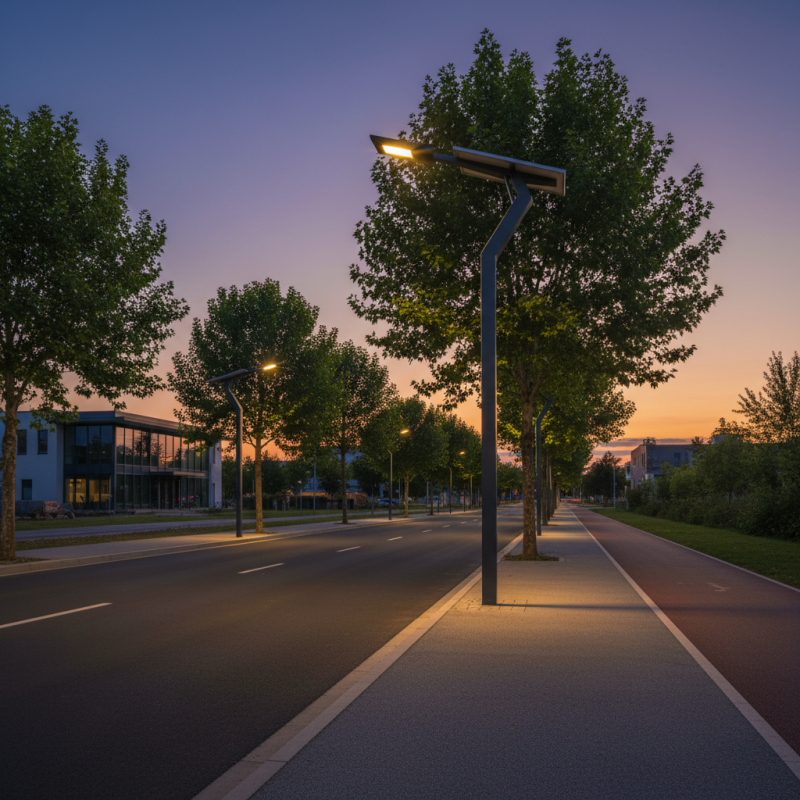
Understanding the Basics of Solar Street Lights and Their Benefits
Solar street lights represent a sustainable solution to urban lighting needs. They harness solar energy to operate efficiently. According to a report by the International Renewable Energy Agency (IRENA), solar street lights can reduce energy costs by up to 60%. This reduction highlights their growing importance in city infrastructures.
When selecting solar street lights, consider the location’s sunlight exposure. Areas with limited sunlight may require models with larger battery capacities. Additionally, pay attention to the lumen output. A higher lumen value means brighter light, crucial for safety. Using low-energy LEDs enhances efficiency, providing ample illumination while conserving resources.
Evaluate the installation process. Ease of installation can save both time and labor costs. Look for models with user-friendly features. Regular maintenance is necessary, too; some units may require battery replacements every few years. Understand the balance between cost and quality to ensure reliable performance.
Key Factors to Consider When Selecting Solar Street Lights for Projects
When selecting solar street lights for your project, several key factors come into play. One of the most important aspects is brightness. Consider the lumen output of the lights. It should be suitable for the area you intend to illuminate. Too dim can create safety issues, while overly bright lights may cause glare and discomfort. Balancing brightness with energy efficiency is crucial.
Another factor is battery capacity. A high-quality battery ensures longer operation, especially during cloudy days. Evaluate the battery’s lifespan and charging time. It should withstand harsh weather conditions and require minimal maintenance. Additionally, the installation process must be straightforward. Complicated setups can lead to higher costs and installation delays.
Lastly, consider the material quality of the lights. Durable materials enhance longevity and reliability. Polycarbonate and aluminum are common choices. They should withstand the environmental conditions of the installation site. Reflect on these factors to make informed decisions. Each project is unique, and understanding specific needs is vital in the selection process.
Evaluating Solar Panel Efficiency and Battery Capacity in Street Lights
When choosing solar street lights, evaluating solar panel efficiency and battery capacity is essential. High-efficiency solar panels convert more sunlight into energy, ensuring reliable power generation, even on cloudy days. Look for panels with an efficiency rating of at least 18%. This can significantly affect how well your street lights perform in various conditions.
Battery capacity is another crucial factor. It determines how long the lights will illuminate during the night. A larger capacity means longer runtime. For optimal results, consider batteries with a capacity that can sustain lights for 10 to 12 hours. However, bigger isn’t always better. Oversized batteries can be more costly and take longer to charge.
Careful consideration of these elements is necessary. Poor efficiency in solar panels or inadequate battery capacity can lead to underwhelming performance. Evaluate your location's sunlight exposure and assess night-time needs. A deep understanding of your specific requirements will guide you toward the right choices. Each project's needs can vary, and what works in one scenario may not in another. Adaptability in your approach will yield the best results.
Top Tips for Choosing Solar Street Lights for Your Project
| Solar Panel Efficiency (%) | Battery Capacity (Ah) | Light Output (Lumens) | Operation Time (Hours) | Charging Time (Hours) |
| 18% | 60Ah | 500 Lumens | 12 Hours | 8 Hours |
| 20% | 80Ah | 800 Lumens | 14 Hours | 6 Hours |
| 15% | 50Ah | 400 Lumens | 10 Hours | 10 Hours |
| 22% | 100Ah | 1000 Lumens | 16 Hours | 5 Hours |
Analyzing Different Lighting Technologies: LED vs. Traditional Options
When selecting solar street lights, understanding the differences between LED and traditional lighting options is crucial. LED lights are known for their energy efficiency and long lifespan. They can last up to 25,000 hours. This is a significant advantage over traditional incandescent bulbs, which might last only about 1,000 hours. The reduced frequency of replacement can lower overall maintenance costs over time.
However, some users may find the upfront cost of LED technology higher. This could lead to hesitation for budget-conscious projects. Considering the long-term savings in energy consumption is essential. Despite these challenges, many cities are switching to LEDs due to their lower operating costs.
Traditional lighting often lacks the energy efficiency of LEDs but can provide familiar warmth. In certain cases, users feel a sense of comfort from these traditional options. Yet, the higher energy bills and maintenance requirements may outweigh that comfort. Ultimately, evaluating the specific needs of your project will help determine the most effective lighting choice. Analyzing both options can reveal valuable insights, helping you make an informed decision.
Assessing Environmental and Regulatory Considerations for Solar Installations
When considering solar street lights for your project, assessing environmental and regulatory factors is crucial. Each region has its own set of regulations governing solar installations. For instance, some areas may require specific permits or environmental impact assessments. Ignoring these regulations can lead to costly delays. It's essential to familiarize yourself with local laws to ensure compliance and avoid potential fines.
Additionally, environmental considerations play a significant role in the selection process. Solar lights should ideally minimize their carbon footprint. Evaluating the materials used in the products is important. Look for options that are durable and recyclable. This approach not only benefits the environment but also enhances the project's sustainability. Assessing the impact on local wildlife is also necessary. Overhead lighting can disrupt natural behaviors, so choose designs that mitigate such effects.
Community feedback can often reveal overlooked aspects. Engaging with local residents may provide insights into their concerns or preferences. It is not uncommon for projects to face challenges during implementation. Collecting this feedback helps refine the selection process. This openness fosters transparency and builds trust with the community. Balancing regulatory demands and environmental impact is not a straightforward task. However, a thoughtful approach can lead to a successful solar street light project.
Top Tips for Choosing Solar Street Lights for Your Project