Top Tips for Choosing the Right Injection Molding Machines?
Choosing the right injection molding machines is crucial for any manufacturing business. These machines are the backbone of plastic production, driving efficiency and quality. Understanding the features of various models can be overwhelming. Many factors come into play when making this choice.
The scale of production is one key consideration. Larger operations may require high-output machines, while smaller businesses might prioritize cost-effectiveness. Specifications like clamping force and cycle time greatly impact performance. Not all injection molding machines perform equally, and it's essential to evaluate their capabilities thoroughly.
Investing in these machines is not merely a financial decision but also a strategic choice. A mismatch in machine type can lead to production delays. Moreover, the support and maintenance services offered by the manufacturer should not be overlooked. Being mindful of these factors will lead to a more informed decision, ensuring optimal production outcomes.
Understanding Different Types of Injection Molding Machines Available Today
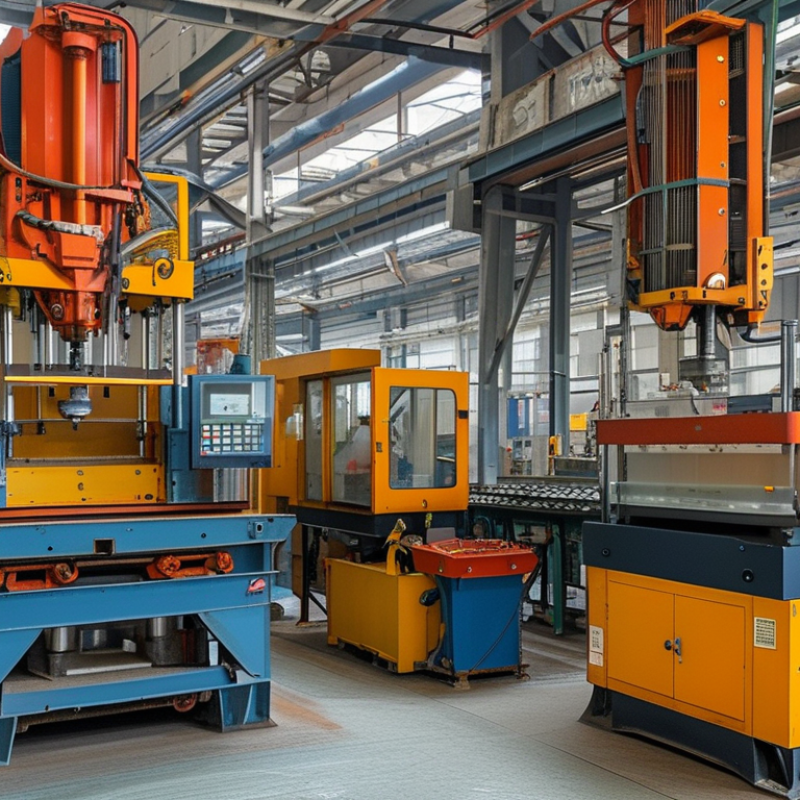
When selecting an injection molding machine, understanding the different types available is crucial. Broadly, machines fall into two categories: hydraulic and electric. Hydraulic machines use fluid power and are known for their robust performance. They are ideal for large-scale projects that require high pressure. Electric machines, on the other hand, are more energy-efficient and precise. Their technology also allows for quieter operation, which is beneficial in a production environment.
Choosing the right machine can seem overwhelming. One essential factor is the machine's tonnage. This determines how much clamping force it can exert. Calculate the tonnage needed based on the size and complexity of the parts you will produce. Consider the material you will use as well; some machines perform better with specific plastics. The speed of operation is also a key factor. Faster cycles increase productivity, but ensure that quality is maintained.
On a practical level, assess the floor space you have available. Some machines require more room for operation and maintenance. It's helpful to map out the layout of your factory floor before making a purchase. Evaluate your budget realistically. While it may be tempting to choose a less expensive option, investing in a reliable machine often pays off in the long run. Look for options that offer flexibility for future projects. Being able to adapt to new materials or designs can significantly affect your production capability.
Key Specifications to Consider When Selecting Injection Molding Machines
When selecting injection molding machines, understanding key specifications is vital. Capacity is one of the first factors to consider. This refers to the volume of material the machine can process. A larger capacity helps with high production levels but may not be necessary for smaller jobs.
Mechanical features play a crucial role as well. Look for machines with robust construction. Stability in operation can affect overall quality. The clamping force is another important specification. It determines the ability to hold the mold tightly. Insufficient clamping force can lead to defects in the final product.
Energy efficiency should also be evaluated. Machines that consume less energy reduce operational costs. However, they may have a higher upfront cost. It's essential to balance initial investments with long-term savings. Finally, consider the ease of maintenance. Machines that are difficult to service can lead to longer downtimes. Reflecting on these factors enables better decision-making in your selection process.
Analyzing Energy Efficiency and Sustainability in Injection Molding Choices
When selecting injection molding machines, energy efficiency and sustainability emerge as critical considerations. Data from the Plastics Industry Association suggests that energy costs account for up to 60% of total operating costs in manufacturing. Therefore, investing in energy-efficient machinery can lead to significant cost savings over time. Modern machines are designed to minimize energy consumption. They often incorporate advanced servo motors and optimized hydraulic systems, which can reduce energy use by as much as 30% compared to conventional models.
Sustainability is also paramount in today’s manufacturing landscape. The shift toward eco-friendly production requires machines that can handle recyclable materials. Reports indicate that about 20% of plastic produced is recycled, yet this figure could be higher with the right technology. Choosing machines capable of processing recycled feedstocks reflects a commitment to environmental responsibility. However, many manufacturers still struggle to reconcile cost with sustainability. The initial investment in greener technology can be daunting, yet the long-term benefits often justify the expense.
Balancing efficiency and sustainability is challenging. Machines designed for high performance might not always prioritize energy-saving features. It’s crucial to evaluate operational needs carefully. Businesses must analyze their current consumption and material waste. This reflection will aid in making informed choices. Each step toward sustainable practices enhances not only operational efficiency but also improves the overall ecological footprint of manufacturing processes.
Evaluating Cost vs. Performance for Injection Molding Machine Investment
When considering an investment in injection molding machines, evaluating the balance of cost versus performance is crucial. According to a report by the Research and Markets, the global injection molding machine market is projected to reach $26 billion by 2026. This indicates a growing trend, but the investment must align with specific production needs.
Cost is often the primary concern. Machines can range from $20,000 to over $1 million, depending on features and capacity. A cheaper machine may save money upfront but might not meet production demands. Investing in a higher performance model could lead to higher efficiency. In fact, a well-optimized machine can improve cycle times by 20% or more.
Performance factors include speed, energy consumption, and maintenance requirements. Data shows that energy-efficient machines can reduce operational costs by up to 30%. However, these benefits might not be immediate. There can be a steep learning curve. Users may face challenges adapting to advanced technologies, which can temporarily affect productivity. Balancing cost and performance requires careful thought. Engaging with experts can provide insights tailored to specific requirements.
Top Tips for Choosing the Right Injection Molding Machines
| Feature | Description | Cost Range ($) | Performance Rating (1-10) |
| Injection Speed | Speed at which material is injected into the mold. | 20,000 - 50,000 | 8 |
| Clamping Force | Force applied to hold the mold closed during injection. | 15,000 - 100,000 | 9 |
| Energy Efficiency | Power consumption of the machine during operation. | 10,000 - 30,000 | 7 |
| User Interface | Simplicity and intuitiveness of the control panel. | 5,000 - 20,000 | 8 |
| Maintenance Requirements | Frequency and ease of upkeep for continued operation. | 2,000 - 10,000 | 6 |
Importance of Supplier Support and Maintenance for Molding Machine Longevity
Selecting the right injection molding machine is crucial for efficient production. However, a machine’s longevity heavily relies on supplier support and maintenance. A reliable supplier can provide essential services that enhance machine performance over time. Regular maintenance prevents costly breakdowns and keeps operations running smoothly.
It’s vital to have a maintenance plan from the supplier. This should include routine inspections and updates for the machine. Regular check-ups can reveal potential issues before they escalate. Furthermore, access to technical assistance is a must. Knowing that help is a phone call away can ease operational stress. Without sufficient support, companies may struggle with unexpected downtimes.
While some manufacturers ignore maintenance, this can lead to dire consequences. Neglecting basic care can shorten a machine’s lifespan. Companies often underestimate the significance of supplier relationships. Established support can guide operators through troubleshooting. Being proactive instead of reactive can save both time and money in the long run. A strong partnership with a supplier can be a game changer, ensuring smoother operations and prolonged equipment life.