10 Tips for Choosing Galvanized Corrugated Metal Panels?
When considering building materials, "Galvanized Corrugated Metal Panels" are gaining popularity. John Thompson, a leading expert in metal construction, once stated, "Choosing the right metal panel can profoundly impact your project’s durability and aesthetics." This insight highlights the importance of making informed decisions.
These metal panels are favored for their strength and resistance to corrosion. However, not all galvanized options are created equal. Some panels may not withstand harsh weather. Experts recommend evaluating factors like gauge thickness and coating quality.
Each project is unique, and what works for one may not suit another. It's essential to weigh these variables carefully. Remember, your choice of "Galvanized Corrugated Metal Panels" can define the lifespan and functionality of your structure. Visit your local suppliers to see options firsthand.
Understanding the Benefits of Galvanized Corrugated Metal Panels
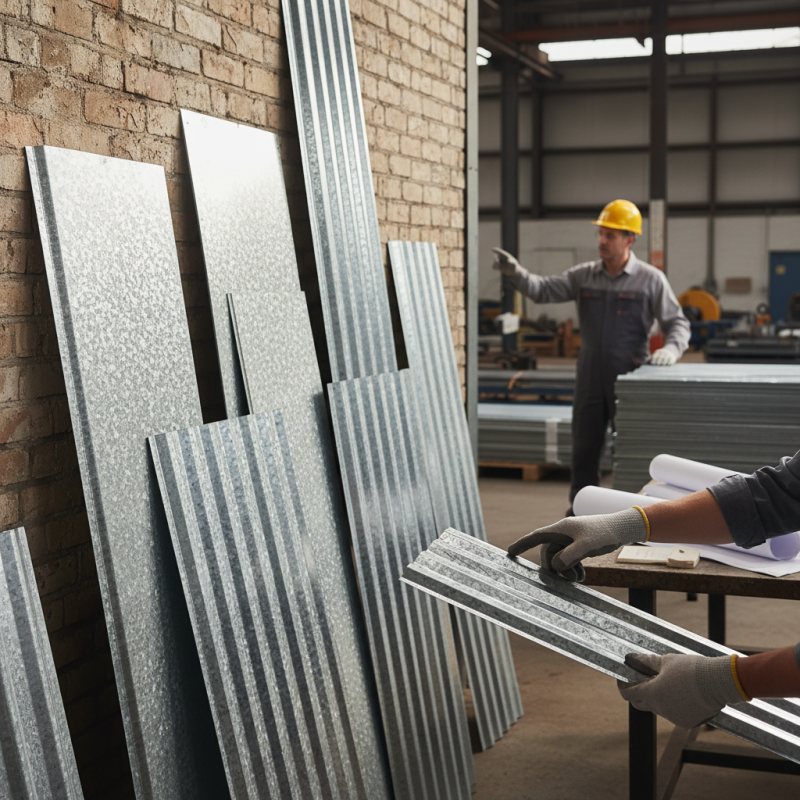
Galvanized corrugated metal panels offer several advantages that make them a popular choice for various projects. Their zinc coating protects against rust and corrosion, ensuring durability. This feature is especially useful in regions with high humidity or rainfall. The corrugated design adds structural strength, allowing the panels to withstand strong winds and heavy loads.
Beyond durability, these panels are also cost-effective. They are a long-term investment due to their reduced maintenance needs. Once installed, they require minimal upkeep compared to alternative materials. Additionally, galvanized metal reflects heat, which can aid in energy efficiency. This aspect is beneficial for buildings in warm climates.
However, it's important to consider the potential downsides. Over time, the protective zinc layer may wear off, leading to corrosion if not maintained. Choosing the right thickness is crucial as thin panels may not hold up well under stress. It’s advisable to think about the specific application and environmental factors before making a decision.
Evaluating the Different Types of Galvanized Metal Coatings
When selecting galvanized corrugated metal panels, understanding the different types of metal coatings is vital. Galvanization typically involves a zinc-based coating, which provides a barrier against corrosion. According to the American Galvanizers Association, hot-dip galvanizing is among the most common methods. This process can increase the lifespan of metal panels to over 50 years in certain environments.
Moreover, there are variations in the thickness of zinc coatings, measured in ounces per square foot. Standards set by ASTM A123 recommend a minimum of 1.0 ounces coating thickness for structural applications. It’s essential to consider environmental factors. In coastal areas, panels may require a thicker coating to withstand the harsher conditions.
Sometimes, galvanized panels might show inconsistencies in surface quality. These imperfections can impact their longevity and performance. Inspecting for these flaws before installation is crucial. Additionally, consider the panel's intended use. Heavy-duty applications might benefit from additional coatings, like polymer or paint, providing extra protection and aesthetic appeal.
Assessing Panel Thickness and Its Impact on Durability
When selecting galvanized corrugated metal panels, assessing panel thickness should be a priority. Thicker panels generally offer greater durability. They resist denting and bending better than thinner alternatives. However, choosing a thicker panel may also lead to increased weight and cost. You must strike a balance between durability and practicality.
Consider the specific application of the panels. For example, roofing installations might benefit from thicker options to withstand heavy rain and snow. In contrast, lighter panels can suffice for decorative purposes. It's crucial to evaluate your environmental conditions. Harsh weather could demand thicker, more durable materials.
Remember that not all thickness ratings are equal. Different manufacturers may have variations in their quality standards. Engage with professionals familiar with these materials. Their insights can guide you in making informed decisions. Reflect on your choices and be open to advice. Durable options often come with a higher price tag. However, they can save money in the long run. Investing in quality panels is essential for longevity.
10 Tips for Choosing Galvanized Corrugated Metal Panels - Assessing Panel Thickness and Its Impact on Durability
| Tip Number | Tip Description | Recommended Thickness (Gauge) | Durability Rating |
| 1 | Consider the Environmental Conditions | 26 | Moderate |
| 2 | Assess Panel Width and Length | 24 | High |
| 3 | Select a Suitable Profile | 22 | Very High |
| 4 | Look for Quality Zinc Coating | 24 | High |
| 5 | Evaluate the Manufacturing Standards | 26 | Moderate |
| 6 | Compare Prices from Different Suppliers | 24 | High |
| 7 | Ensure Proper Installation Practices | 22 | Very High |
| 8 | Check for Warranty and Support | 26 | Moderate |
| 9 | Account for Aesthetics and Finish | 24 | High |
| 10 | Consult Professionals for Best Choices | 22 | Very High |
Exploring Design Considerations for Specific Applications
When choosing galvanized corrugated metal panels, design considerations can greatly impact their suitability for specific applications. For residential roofing, aesthetics matter. The color and texture should complement the home’s style. Select panels that align with the architectural theme while providing durability. Remember, aesthetics should not compromise functionality.
Tip one: Assess your environment. Is it coastal with high humidity? Choose panels with increased corrosion resistance. Tip two: Think about insulation. The right panels can enhance energy efficiency. Insulated options might be ideal in varying climates, providing warmth or coolness.
Commercial buildings require a different focus. Here, durability is paramount. Heavy-duty panels can withstand harsh weather. Consider load-bearing capacities for roofs or walls. Tip three: Examine maintenance needs. While galvanized panels are low-maintenance, some finishes require more upkeep.
Every project is unique. Reflect on the long-term implications of your choice. With these thoughts in mind, you can select the best galvanized corrugated metal panels for your needs.
10 Tips for Choosing Galvanized Corrugated Metal Panels
Identifying Reliable Suppliers and Manufacturers for Quality Panels
When selecting galvanized corrugated metal panels, knowing where to source quality materials is crucial. Reliable suppliers and manufacturers ensure that the panels meet industry standards. According to a recent market report, the demand for premium galvanized metal products has increased by 15% in the last three years. This growth emphasizes the importance of choosing the right supplier.
One tip is to verify the manufacturer's reputation. Look for companies with a solid track record in the industry. A reliable supplier should provide certification documents and customer testimonials. These details showcase their commitment to quality and safety. Additionally, ensure they adhere to standards set by recognized organizations, such as ASTM International.
Another key aspect is to examine product specifications thoroughly. Pay attention to the gauge, coating, and thickness of the panels. Different applications may require different specifications. Suppliers should transparently share this information. It might also be helpful to request samples before purchasing. This allows you to assess quality firsthand.
In an industry underscored by rapid changes, staying informed about suppliers is essential. Regularly review feedback from other clients. This can reveal patterns in reliability or concerns. Though no supplier is perfect, a pattern of consistent quality often indicates a trustworthy partner.