As businesses continue to seek sustainable alternatives, Cellulose Based Packaging emerges as a viable solution. This eco-friendly option not only reduces waste but also aligns with modern consumer values. The demand for sustainable packaging reflects a global shift towards more environmentally conscious practices.
When selecting Cellulose Based Packaging, it’s crucial to understand its properties. This material is biodegradable and often derived from renewable resources. However, not all cellulose packaging is created equal. Factors like thickness, barrier properties, and compatibility with products must be considered. It’s easy to overlook aspects that influence performance and sustainability.
With various options available, businesses face challenges. The right packaging can enhance product appeal and reduce environmental impact. Yet, many companies struggle with the trade-offs between cost and quality. Engaging with reliable suppliers can help navigate these complexities. Investing time in research will yield the best results for both products and the planet.
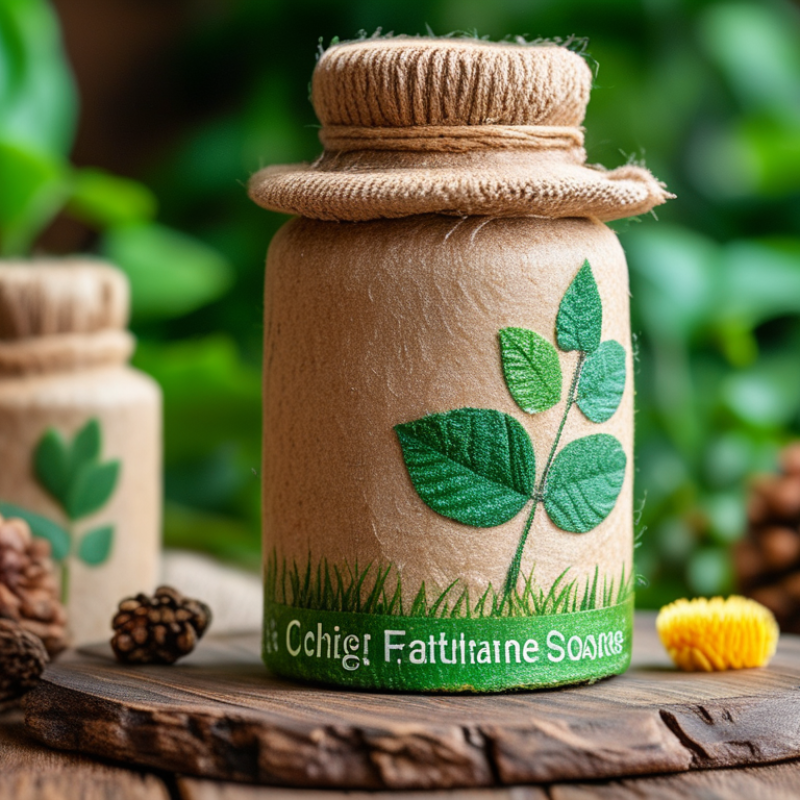
Cellulose-based packaging is gaining traction due to its eco-friendly properties. This material is derived from renewable sources. It is biodegradable and compostable, providing a significant advantage over traditional plastic. According to recent reports, the global cellulose packaging market is projected to grow at a CAGR of 5.6% from 2022 to 2027. This growth reflects a rising consumer preference for sustainable products.
The benefits of cellulose packaging extend beyond its environmental impact. It has excellent barrier properties, protecting goods from moisture and oxygen. This feature is vital for preserving food freshness. Studies show that cellulose-based options can extend shelf life by up to 50% compared to conventional materials. However, challenges remain. The production cost of cellulose packaging can be higher. Manufacturers may struggle with scalability. Finding the right balance between sustainability and affordability is crucial.
As more businesses adopt cellulose solutions, innovation plays a key role. Advanced technologies are necessary to enhance performance and reduce costs. Research and development in this sector may yield better alternatives. The move towards cellulose-based packaging is a step in the right direction. Yet, it requires continuous improvement and adjustments. The industry must keep refining its practices to meet growing demands.
| Criteria | Considerations | Benefits |
|---|---|---|
| Material Source | Sustainable and renewable resources | Environmentally friendly and reduces carbon footprint |
| Degradability | Compostable options | Reduces landfill waste and supports circular economy |
| Barrier Properties | Protection against moisture and gases | Preserves product freshness and extends shelf life |
| Customization Options | Variety of shapes, sizes, and prints | Aligns with brand identity and enhances product presentation |
| Cost-Effectiveness | Availability and production scale | Helps maintain budget while ensuring quality |

When choosing cellulose-based packaging, evaluating environmental sustainability is crucial. Cellulose packaging is derived from plant materials, making it biodegradable and compostable. This natural origin significantly reduces its environmental footprint compared to traditional plastic options. However, not all cellulose products are equally sustainable. It’s important to consider the sourcing of the cellulose, as unsustainable harvesting can contribute to deforestation and habitat loss.
Life cycle assessments can also provide insight into the environmental impact of packaging. Evaluating energy consumption during production is essential. Some cellulose packaging options might require energy-intensive processes, offsetting their benefits. Additionally, consider how packaging is disposed of. Though cellulose is compostable, improper disposal can hinder its environmental advantages.
Paying attention to certifications can guide decision-making. Look for reputable certifications that indicate true sustainability practices. This adds a layer of assurance regarding the material's impact. Nonetheless, being aware of greenwashing tactics is vital. Some packaging may claim sustainability without a strong foundation. Engaging with suppliers to understand their practices can lead to more informed choices.
When selecting cellulose-based packaging solutions, several key factors require your attention. The sustainability of materials is paramount. Cellulose is derived from renewable resources, making it an eco-friendly choice. However, understanding the source of materials is crucial. Not all cellulose products are created equal. Opt for options that prioritize responsible sourcing.
The functionality of packaging cannot be overlooked. Consider the specific needs of your product. Is moisture resistance necessary? Does the packaging require strength and durability? These questions are essential in ensuring the packaging meets product specifications. Choose solutions that not only protect but also enhance the product’s presentation.
When evaluating options, consider the entire lifecycle of the packaging. What happens after it’s used? Biodegradability and compostability are significant advantages of cellulose packaging. However, many products remain in landfills longer than expected. This discrepancy raises questions about their true environmental impact. Assess credible certifications and standards to ensure you make informed choices. Balancing aesthetics, functionality, and sustainability is a continuous process. With the right insights, you can make effective decisions for your packaging needs.
Cellulose packaging is gaining traction compared to traditional materials like plastic and Styrofoam. A report by Smithers states that the global market for biodegradable packaging is expected to reach $400 billion by 2026. This growth highlights the increasing preference for sustainable options. Cellulose-based materials offer biodegradability, making them an intriguing alternative to conventional packaging.
When evaluating cellulose packaging versus plastics, the differences are striking. Plastics can take hundreds of years to decompose. In contrast, cellulose degrades in a matter of months under the right conditions. This speed of decomposition eliminates much of the long-term environmental impact associated with plastic waste. However, cellulose’s performance in moisture resistance can be variable. Some applications may still require additives or treatments, potentially complicating the sustainability narrative.
Cost is another factor to consider. While raw cellulose materials can sometimes be more expensive, the long-term benefits of reducing environmental harm could justify this initial investment. Most consumers express willingness to pay a premium for eco-friendly products, according to a survey by Nielsen. Yet, businesses must ensure that cellulose packaging meets functional requirements, like durability during transport and shelf life, to avoid compromising product quality. Balancing these elements is crucial for a successful transition to sustainable packaging solutions.
When sourcing cellulose-based packaging solutions, quality assurance is crucial. Start by evaluating the raw materials used in production. Check for certifications that indicate sustainable sourcing. This ensures the packaging is not only eco-friendly but also safe for food products. Ask suppliers about their sourcing practices and any efforts they make towards sustainability.
Another aspect to consider is the production process. It should minimize waste and use energy-efficient methods. Request information on how the cellulose is processed and what additives are used. Some suppliers may offer transparency while others may be reluctant to share details. This disparity can raise questions about their commitment to quality.
Testing and inspections play an essential role in quality assurance. Implement regular checks on the packaging for durability and safety. Look for third-party testing results that verify compliance with industry standards. However, not all suppliers provide this information openly, leading to potential risks in your supply chain. Regular communication with suppliers can help address these uncertainties.
© Shipham Valves 2025. All Rights Reserved.
Website By PS Website Design Ltd
Request a Quote/Further Information
Download
We use cookies on this website, by continuing to browse the site you are agreeing to our use of cookies. Find out more.