Ultimate Tips for Choosing the Best Auto Cool Box for You?
Choosing the right Auto Cool Box can significantly enhance your travel experiences. With so many options available, it can be overwhelming. You want a reliable product that meets your needs. The perfect Auto Cool Box keeps food and drinks fresh during long journeys or outdoor activities.
When selecting an Auto Cool Box, consider its size, weight, and cooling efficiency. These factors influence portability and convenience. It's important to seek out trusted brands and read customer reviews for insights. A well-reviewed product often indicates reliability and functionality.
Keep in mind that sometimes, even the best models may not fit every situation. You might find that a larger box is harder to transport than expected. Reflecting on your actual usage is crucial. Balancing features and practicality will lead you to the best choice. With careful consideration, finding the ideal Auto Cool Box for your adventures can be a rewarding journey in itself.
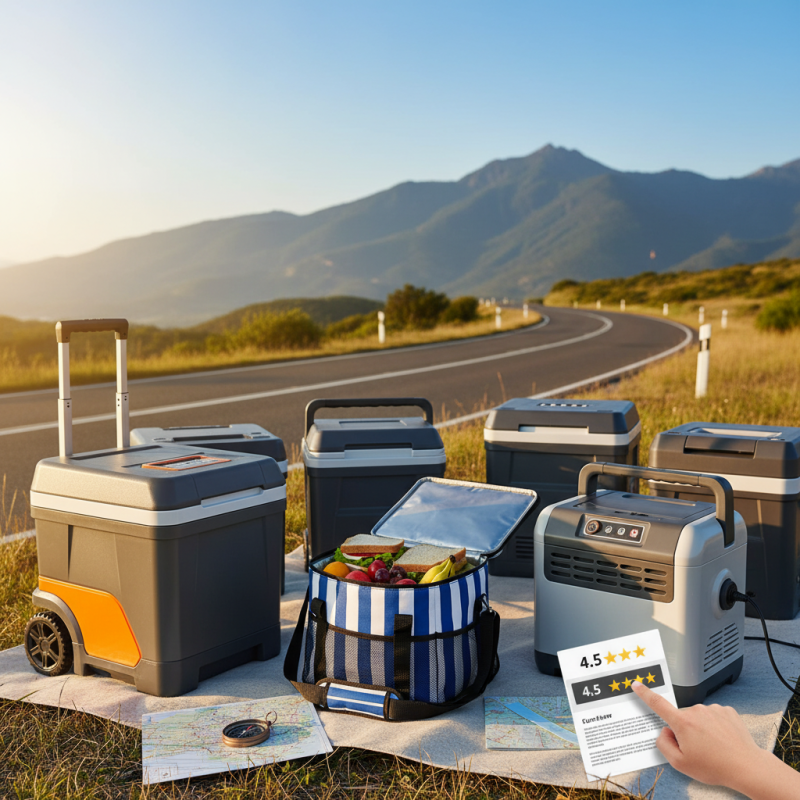
Understanding the Different Types of Auto Cool Boxes Available
When it comes to auto cool boxes, understanding the types available is crucial. There are primarily two categories: passive coolers and powered coolers. Passive coolers rely on insulation and ice packs. They are lightweight and ideal for short trips. A study by the Outdoor Industry Association found that 67% of campers prefer these for weekend getaways. Their simplicity and efficiency make them a popular choice for casual use.
On the other hand, powered coolers function using electricity. They can maintain colder temperatures for longer periods, even without ice. Market research from Statista indicates that the demand for powered coolers has increased, with a 15% rise in sales compared to last year. These coolers offer more features, such as digital displays and dual temperature zones. However, they often require planning for power sources, which can be a drawback when not prepared.
Each type has advantages and potential downsides. For instance, while powered coolers excel in keeping food fresh, they may not be suitable for remote locations with limited power access. Conversely, passive coolers may not provide the same longevity in cooling. Reflecting on your travel habits and needs can guide your decision. Knowing your specific requirements will help you choose wisely.
Ultimate Tips for Choosing the Best Auto Cool Box for You?
| Type of Cool Box | Cooling Method | Capacity (Liters) | Power Source | Price Range (USD) |
| Passive Cooler | Insulation | 10-30 | None | $30 - $100 |
| Electric Cooler | Compressor | 20-50 | AC/DC | $150 - $500 |
| Thermoelectric Cooler | Thermoelectric | 15-40 | DC | $70 - $200 |
| Hybrid Cooler | Combo | 30-80 | AC/DC | $200 - $600 |
Analyzing Power Source Options: AC, DC, and Battery-Powered Solutions
When choosing the right auto cool box, understanding power source options is crucial. There are three main types of power sources: AC, DC, and battery-powered solutions. Each has its benefits and drawbacks. AC units are typically more powerful, making them suitable for longer trips where you have a power outlet. However, their dependency on an external power source can be limiting.
DC cool boxes, which connect directly to your vehicle’s battery, are popular for road trips. A report by the American Automobile Association (AAA) highlights that nearly 70% of car users prefer portability. While DC units offer convenience, their performance may vary based on engine operation and battery life.
Battery-powered options are versatile and great for camping, but they often require regular charging.
Consider your needs carefully. If you travel frequently, opt for a robust power solution. Remember to assess the energy efficiency. Look for features that conserve battery life. Investing in options with dual power capabilities can be wise. This makes it easier to adapt to different situations. Always research before making a decision, as your lifestyle will dictate the ideal choice.
Evaluating Cooling Efficiency: Temperature Range and Insulation Quality
When selecting an auto cool box, evaluating cooling efficiency is crucial. Temperature range greatly impacts the effectiveness of a cool box. It determines how well your beverages and foods stay chilled. Look for models that can maintain low temperatures for extended periods. A good range could be anywhere from 32°F to 50°F (0°C to 10°C).
Insulation quality plays a vital role as well. High-quality insulation materials can make a difference. They reduce temperature fluctuations and can keep items cold longer. Notice if the box has thicker walls. This feature often indicates better insulation. Even small gaps in insulation can lead to significant temperature losses.
Assessing these features isn’t always straightforward. Many users focus too much on price. It’s tempting to choose budget options, but they often fall short in performance. The complexity lies in understanding what specifications mean in real-world use. Reflect on your experiences with cool boxes. Have past purchases lived up to expectations? Evaluating your needs helps in making a reliable choice.
Assessing Capacity Needs: Size and Storage Space Considerations
When choosing an auto cool box, assessing your capacity needs is crucial. Consider your typical outings and the number of people joining you. A small box might suffice for one or two people. However, larger groups require more storage space. Think about the food and drinks you plan to bring. A box that is too small will lead to frustration, while one that is too large may waste space and energy.
Storage space in your vehicle is another factor. Measure the area where you plan to place the cool box. Some vehicles have limited space, making a compact option necessary. Additionally, consider how often you’ll use the cool box. Frequent travelers may need a more robust design that can withstand regular use. Reflect on these needs to avoid impulse buying that could lead to regret.
Keep in mind that overpacking your cool box can affect performance. If the box is too crowded, air circulation diminishes, and it won't keep items cold effectively. Sometimes, less is more. Evaluate which items are essential. A well-organized cool box not only optimizes cooling but also makes it easier to find what you need. Prioritize size and storage to enhance your outdoor experience.
Comparing Additional Features: Portability, Durability, and User-Friendliness
When selecting an auto cool box, portability is crucial. A lightweight design makes transportation easy. Look for handles and wheels. These features enhance mobility. If you travel frequently, consider compact options. They fit snugly in your vehicle, saving space. However, sometimes these smaller models compromise on capacity. You may need to weigh the benefits against your cooling needs.
Durability is another key factor. An ideal cool box should withstand rough handling. High-quality materials prolong the life of your cooler. Check for impact-resistant construction. Also, consider how it performs in varied weather. Some models might not hold up in extreme heat or cold. This aspect requires careful evaluation since you depend on it during trips.
User-friendliness enhances overall satisfaction. Easy access to contents is important. Some designs feature wide openings or removable lids. Think about cleaning too; smooth interiors make maintenance a breeze. However, some cool boxes may have complex features that confuse users. This is a point to reflect on. Simplicity often offers more usability for all ages. Always assess what suits your lifestyle best.