What Is a Tactical Watch and How Does It Work?

A Tactical Watch is built for demanding environments, not merely for telling time. Its design often combines high legibility, shock resistance, water resistance, and dependable power management. A matte case can reduce glare. Raised numerals remain readable through dust, rain, or low light. Some models add a compass, barometer, GPS, or night-readable illumination. The label is not perfectly standardized.

Industry research shows why this category continues to attract attention. The International Data Corporation’s Worldwide Quarterly Wearable Device Tracker identifies smartwatches as a major segment of the global wearable-device market. Grand View Research also reports continued growth in wearable technology, driven by fitness, health monitoring, and connected functions. These reports describe broad consumer trends, not proof that every watch is operationally reliable. That distinction matters.

A serious evaluation should examine materials, battery endurance, sensor accuracy, interface speed, and independent testing. The U.S. Department of Defense MIL-STD-810H provides environmental test methods for conditions such as vibration, temperature changes, humidity, and shock. However, a product should not claim compliance unless the manufacturer provides credible test evidence. ISO 22810 concerns water-resistant watches, while ISO 6425 applies specifically to diving watches; neither automatically defines a Tactical Watch. Check the specifications carefully.

Real-world experience reveals small weaknesses. A bright screen may drain the battery quickly. A thick bezel can protect the glass but catch on clothing. GPS performance may decline between tall buildings or under dense tree cover. Marketing sometimes stretches the word “tactical.” This guide explains what the term should mean, how the technology works, and which specifications deserve careful scrutiny before purchase.
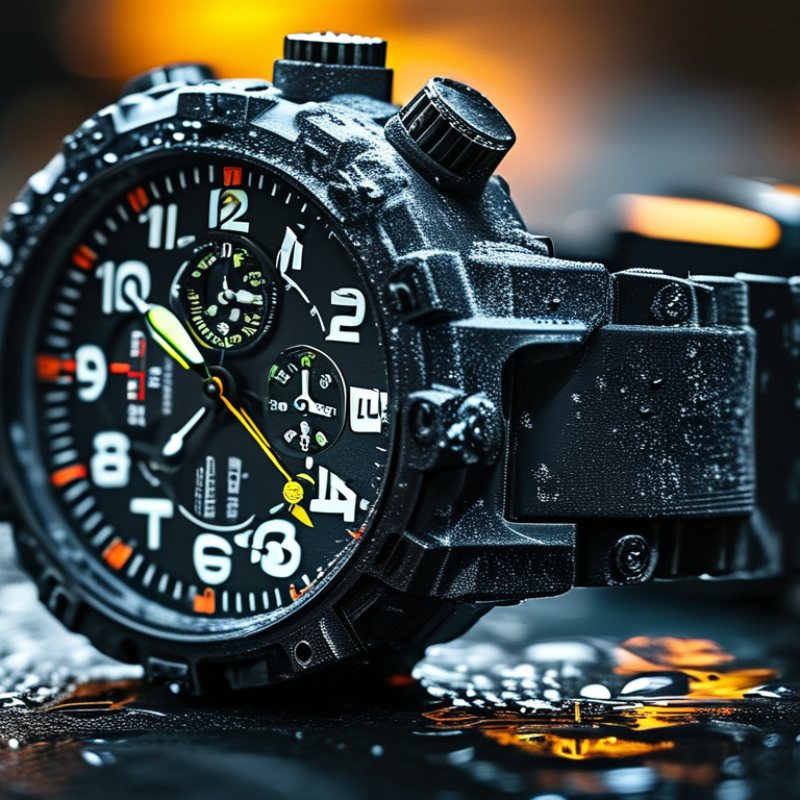
What Is a Tactical Watch and How Does It Work?

Definition and Core Purpose of a Tactical Watch

A tactical watch is a timekeeping tool designed for demanding outdoor and professional environments. Its core purpose is simple: provide clear, dependable information when conditions become difficult. Unlike a fashion watch, it focuses on function, durability, and fast reading.

Readability matters most. Large markers, strong contrast, and steady illumination help users check time in darkness or heavy rain. A protective case can reduce damage from knocks, while water resistance supports use near rivers, wet trails, or sudden storms. Many models also include a stopwatch, countdown timer, compass function, or altimeter. These features can assist with navigation, training, and schedule control.

In practical use, small details make a difference. A careful evaluator checks whether the strap stays secure, whether buttons remain usable with gloves, and whether the display reflects sunlight. Battery performance also deserves attention. A watch that loses power quickly is not dependable, despite impressive specifications. No design is perfect. A larger case may improve protection but feel uncomfortable during long activity. Extra functions can also create confusion instead of helping. The best tactical watch provides essential data quickly, without demanding constant adjustment. Its value appears in ordinary moments: checking a route time, timing a rest period, or reading the dial beside a wet backpack.

Key Features That Support Tactical Operations

What Is a Tactical Watch and How Does It Work?

A tactical watch supports operations through readable displays, durable construction, and dependable timing. Its case should resist shock, dust, moisture, and sudden temperature changes. Military environmental testing often references MIL-STD-810H procedures. These procedures evaluate vibration, humidity, altitude, and temperature stress. However, certification claims require careful checking. Not every watch completes every test.

Key features support decisions under pressure. A high-contrast display remains visible beside a dim tent or during night movement. Tactile buttons help users operate the watch with gloves. A long-lasting battery reduces charging interruptions in remote areas. Some models provide navigation, barometric altitude, compass readings, and waypoint storage. Sensors can warn about rapid pressure changes, but weather predictions remain imperfect.

That matters.

According to IDC’s Worldwide Quarterly Wearable Device Tracker, global wearable shipments exceeded 500 million units in 2024. This figure shows strong demand for compact, sensor-based tools, though it does not measure tactical performance directly. Battery data also deserves scrutiny. Advertised endurance may assume limited GPS use, moderate brightness, and stable temperatures. Continuous positioning can drain power quickly. A practical check should include repeated button presses, wet gloves, low light, and weak satellite reception. Users may discover that a smaller screen improves discretion but slows map reading. That trade-off is easy to overlook. A tactical watch works best when its features match the operator’s routine, training, and environment.

What Is a Tactical Watch and How Does It Work?

Key Features That Support Tactical Operations

A tactical watch is designed to remain readable and reliable in demanding outdoor conditions. The chart compares common IEC 60529 ingress-protection ratings: the first digit measures protection against solid particles and dust, while the second digit measures protection against water. Higher values indicate a greater level of tested protection, although an IP rating does not measure shock resistance, temperature tolerance, battery life, or tactical functions.

How Tactical Watch Functions Work in the Field

A tactical watch is built for practical decisions in demanding environments. Its value comes from several functions working together, not from appearance.

A clear digital display shows time, date, and elapsed minutes at a glance. Backlighting supports reading in darkness, while large buttons remain usable with cold or wet fingers.

Read the environment.

In the field, a compass can help confirm direction, but it still needs calibration away from metal objects. An altimeter estimates elevation through air pressure, so changing weather can reduce accuracy. A barometer may signal falling pressure and possible storms.

GPS tracking can record a route, mark a position, or support offline navigation when phone service disappears. Battery changes everything. Frequent location updates consume power quickly, especially in low temperatures.

For that reason, experienced users often reduce tracking intervals and carry a separate backup method for navigation.

A durable case, water resistance, and shock protection help the watch survive rain, dust, and accidental impacts.

However, “rugged” does not mean indestructible. Seals can weaken, sensors can drift, and a charging port can fail after repeated exposure.

Field checks should include battery condition, compass accuracy, time synchronization, and strap security.

I have found that convenience can create overconfidence. A watch may suggest a direction, but it cannot understand unstable terrain, poor visibility, or human fatigue. Use its readings as informed guidance, then compare them with maps, local conditions, and careful judgment.

Materials, Design, and Durability Considerations

A tactical watch is designed for demanding conditions, not just an attractive appearance. Its case often uses stainless steel, titanium, or reinforced polymer. Stainless steel resists impact well, while titanium reduces weight during long outdoor tasks. Polymer cases can absorb knocks, but they may show scratches sooner. A reliable crystal also matters. Sapphire resists scratching, while hardened mineral glass can offer a practical balance between cost and toughness.

Design affects daily performance. Clear numerals, strong contrast, and raised markers help readability in rain or low light. A textured crown improves grip with cold or wet fingers. Some models include protected pushers, a secure strap, and water resistance suitable for swimming or heavy rain. However, water resistance is not permanent. Seals age, and careless battery changes can weaken them.

Durability comes from the whole system. The movement, caseback, strap, and fastening hardware must work together. I have found that a comfortable watch is more likely to stay on the wrist during long activity. A heavy case can feel reassuring at first. Later, it may become tiring. No design is perfect. Extra protection can reduce comfort, while a slimmer profile may sacrifice impact resistance. Buyers should check tested water resistance, shock performance, temperature limits, and service guidance instead of trusting dramatic wording. Regular cleaning and seal inspections also matter, especially after contact with dust, sweat, or saltwater.

What Is a Tactical Watch and How Does It Work? - Materials, Design, and Durability Considerations

Design or Performance Dimension Common Tactical-Watch Specification How It Works or Helps Durability and Practical Considerations
Case Material Stainless steel, titanium, or reinforced polymer Forms the protective structure around the movement, dial, and internal components. Stainless steel offers impact and corrosion resistance; titanium reduces weight; polymer can improve shock absorption and affordability.
Crystal Material Sapphire, mineral glass, or hardened acrylic Protects the dial and display while allowing light to reach the hands or digital screen. Sapphire is highly scratch-resistant; mineral glass is generally more impact-tolerant and less costly; acrylic is light and easy to replace but scratches more easily.
Water Resistance Often rated from 5 ATM to 20 ATM, depending on intended use Gaskets and sealed case construction limit water entry around the case back, crown, buttons, and crystal. Water-resistance ratings are laboratory conditions, not depth guarantees. Seals can age and should be inspected after heavy use or servicing.
Movement Type Quartz, digital, mechanical, or hybrid The movement controls timekeeping and may power alarms, timers, calendars, compasses, or other functions. Quartz and digital systems generally offer strong accuracy and low maintenance; mechanical systems can operate without a battery but may be more sensitive to shocks and magnetism.
Shock Protection Reinforced case, cushioned movement mounts, and protected controls Distributes impact forces and helps prevent the movement, crystal, or crown from receiving a direct blow. Protection reduces, but does not eliminate, the risk of damage from drops, heavy vibration, or repeated impact.
Dial and Display High-contrast markings, digital numerals, or low-reflection surfaces Improves recognition of time and mission-related information in bright, dark, or changing conditions. Simple layouts reduce reading time. Large markings may improve visibility but can increase case size.
Low-Light Legibility Luminous hands and markers, backlighting, or electronic illumination Uses stored light, electrical power, or self-luminous materials to make the display readable in darkness. Luminous paint gradually becomes dimmer; electronic backlights consume battery power and may require deliberate activation.
Bezel and Timing Controls Rotating timing bezel, countdown timer, stopwatch, or alarm Allows the wearer to track elapsed time, intervals, or scheduled events without relying on external equipment. A guarded or textured bezel is easier to operate with gloves and less likely to move accidentally.
Crown and Button Protection Recessed, screw-down, or guarded controls Reduces accidental activation and limits the chance of bending or breaking exposed controls. Protected controls can be harder to operate quickly, especially with gloves or limited dexterity.
Strap Material Nylon, rubber, silicone, leather, or metal bracelet Secures the watch and affects comfort, fit, ventilation, and resistance to moisture or abrasion. Nylon is light and adjustable; rubber and silicone handle water well; leather is comfortable but less suitable for prolonged moisture exposure.
Battery or Power System Replaceable battery, rechargeable battery, or mechanical mainspring Provides energy for timekeeping, illumination, sensors, alarms, and other electronic functions. Battery life varies with display type and feature use. Extreme temperatures can reduce electronic battery performance.
Overall Mission Suitability Readable, secure, impact-resistant, and weather-resistant construction Combines practical timekeeping with features that support navigation, timing, communication planning, or outdoor activity. The best design depends on the environment. Added protection and functions can increase weight, size, cost, and maintenance requirements.

Common Uses and Selection Criteria for Tactical Watches

What Is a Tactical Watch and How Does It Work?

A tactical watch combines timekeeping with practical field tools. It may use quartz movement, GPS, a digital compass, an altimeter, or a barometer. Its value appears during hiking, emergency response, navigation, and outdoor work. The Outdoor Foundation’s 2024 Outdoor Participation Trends Report recorded 175.8 million U.S. outdoor participants in 2023. That broad activity base explains the demand for durable, readable equipment. A watch should remain clear under rain, dust, gloves, and weak light. Large numerals help. Raised buttons help more.

Selection requires more than counting features. Check water resistance, shock protection, operating temperature, battery duration, and strap security. ISO 6425 testing can support water-resistance claims, but it does not guarantee performance in every situation. GPS tracking usually consumes more power. Solar charging can reduce maintenance, yet cloudy conditions may slow charging. Small compromises matter.

ACSM’s 2024 Worldwide Survey of Fitness Trends ranked wearable technology first. Still, sensors do not automatically create reliable information. Compare the watch’s compass with a known direction before remote travel. Test the backlight at night. Confirm whether maps work offline. A highly capable watch can become inconvenient when menus are slow or data is confusing. The best choice matches the user’s routine, not the longest feature list. Sometimes, a simple watch is the wiser tool.

Request a Quote/Further Information

    Download