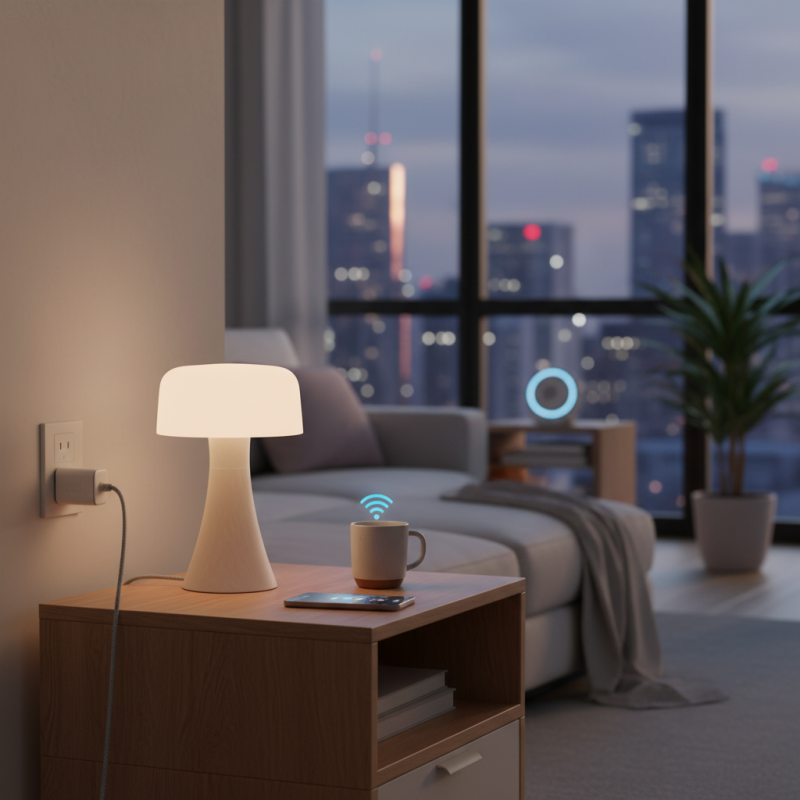
Smart Plug Outlet Tips for Efficient Home Automation Solutions?
The rise of modern technology has transformed our homes into smarter environments. Central to this evolution is the Smart Plug Outlet. This device offers a gateway to automation, allowing users to control their electronics remotely. However, many may struggle to maximize its potential fully.
Using Smart Plug Outlets can enhance convenience and improve energy efficiency. Imagine turning off lights from your bed or scheduling your coffee maker to start before you wake up. Yet, it’s not always that simple. Some users may overlook important features or purchase incompatible models. It’s essential to research and select the right plug for specific needs.
As you explore various solutions, consider how the Smart Plug Outlet fits into your home. Is it seamless? Does it integrate with your existing system? Each household’s requirements vary. A careful approach ensures that you harness the true power of automation without frustration.
Understanding Smart Plug Outlets: Definition and Functionality
Smart plug outlets have revolutionized home automation. They provide convenience, allowing you to control devices remotely. With a smart plug, you can turn on a lamp or coffee maker from your smartphone. This feature is especially useful for those with busy schedules.
Understanding their functionality is critical. Smart plugs connect to your Wi-Fi network. Once set up, you can use them through dedicated apps. They can also be voice-controlled, making them accessible for everyone. However, setup can be tricky for some users. There may be compatibility issues with certain devices.
It’s important to remember that while smart plugs add convenience, they also require a reliable Wi-Fi connection. Without it, your devices may not respond as expected. This reliance on technology can lead to frustration. Users often encounter hiccups during installation and usage. Embracing these challenges can result in valuable learning experiences.
Benefits of Smart Plugs in Home Automation: Energy Efficiency Data
Smart plugs have transformed how we view home automation. A report from the U.S. Department of Energy indicates that household appliances account for nearly 20% of energy consumption. Smart plugs help reduce this by allowing users to schedule and monitor usage. This level of control can lead to saving up to 30% on energy bills.
Moreover, smart plugs can provide detailed energy reports. The Energy Hub Study revealed that homeowners who actively track their consumption can identify high-energy appliances easily. These insights enable informed decisions on usage patterns and encourage energy-efficient habits. However, reliance on technology can sometimes lead to a false sense of security.
While smart plugs are a significant step towards energy efficiency, they are not a cure-all. The impact depends heavily on user engagement. Creating a habit of regularly checking energy reports is essential. Ignoring these insights may hinder potential savings. The path to efficient energy usage requires consistent effort and reflection on habits.
Key Features to Look for in Smart Plug Outlets: A Professional Review
When choosing smart plug outlets, several key features should guide your decision. Look for ones with energy monitoring. This feature allows you to track energy consumption. It helps you save money. You can adjust your habits based on real data. Some outlets might not provide this detail. Reflect on whether this information is worth the extra cost.
Another important aspect is compatibility with voice assistants. Many homeowners enjoy hands-free control. Smart plugs that integrate smoothly with devices provide convenience. You can manage your appliances effortlessly. However, not all plugs support every platform, so check compatibility first. Think about the devices you already use.
Finally, consider ease of installation. Some smart plugs are simple to set up. Others might require confusing steps or apps. A plug that is easy to install can save time and frustration. Not every smart plug makes this process user-friendly. It might be helpful to read user reviews before making a choice. This will provide a clearer picture of real-life performance.
Integrating Smart Plugs with Smart Home Systems: Compatibility Insights
Integrating smart plugs into your home automation system can be seamless but requires careful consideration. Compatibility is critical. Not all smart plugs function with every smart home system. Checking device specifications is essential. Some plugs may only work with specific protocols like Wi-Fi, Zigbee, or Z-Wave. Understanding these details helps prevent frustration during setup.
When choosing smart plugs, reflect on your current smart devices. Consider the ecosystems in place. Do your smart speakers or hubs support the plugs you're eyeing? This reflection can save time and money. Some users find that certain plugs do not integrate as smoothly as expected. Compatibility issues may arise despite claims of universality.
To avoid pitfalls, research user experiences. Community forums can provide insights into real-life applications. Sometimes, software updates can resolve issues. However, relying solely on updates isn’t always a viable solution. It's beneficial to share experiences and learn about potential challenges. In the world of smart technology, the learning curve can be steep. Embrace the process, and don't hesitate to adapt your choices as you learn more.
Security Considerations for Using Smart Plugs in Home Automation
When integrating smart plugs into your home automation system, security should be a top priority. Recent surveys indicate that about 30% of consumers have concerns about the safety of their smart devices. Cybersecurity reports highlight that unsecured smart plugs can serve as gateways for hackers. With sensitive data and personal privacy at stake, understanding how to secure these devices is crucial for homeowners.
Consider these tips:
- Always enable two-factor authentication. This adds an extra layer of protection against unauthorized access.
- Regularly update your smart plug’s firmware. Outdated software can be vulnerable to attacks.
- Use a separate Wi-Fi network for smart devices. This limits exposure to potential threats from connected gadgets.
Monitoring and maintaining your smart plugs is essential. Some may assume that once set up, their security is guaranteed. This can lead to a false sense of security. Experts suggest routinely checking connected devices for unusual activity. It's also important to change default passwords, which can be an easy target for hackers.
Proper usage of these devices can enhance convenience. However, one must remain aware of their limitations. A flawed setup might expose your home network to risks. Awareness and proactive measures can make all the difference in securing your smart home ecosystem effectively.