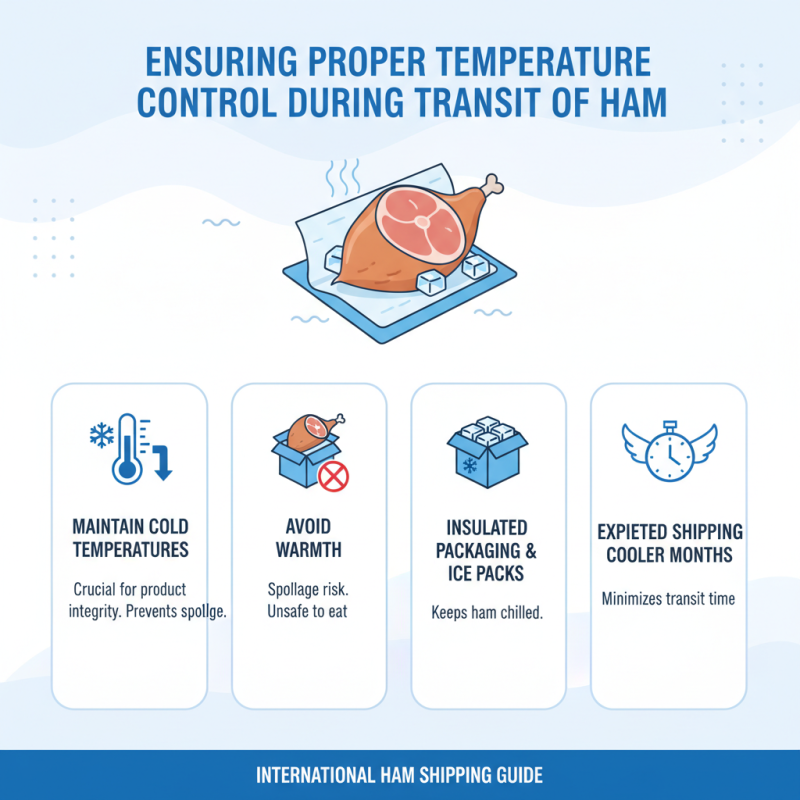
How to Ship Ham Internationally Safely and Efficiently?
Shipping ham internationally can be a complex process. It involves various regulations, standards, and best practices. According to Dr. James Porter, an expert in food logistics, "To ship ham effectively, understanding both the product and its journey is crucial." This expertise is vital as ham requires careful handling to maintain quality and safety.
When you decide to ship ham, consider the necessary packaging. Proper materials help ensure freshness during transit. The choice of shipping method also matters. Air freight is fast but costly; sea freight is economical but slower. Each method comes with its own advantages and challenges.
Additionally, understanding customs regulations cannot be overlooked. Different countries have varying rules regarding food imports. This complexity can lead to delays if not navigated carefully. Reflecting on these factors will help avoid common pitfalls in the shipping process. Ultimately, successful shipping requires diligence and a proactive approach.
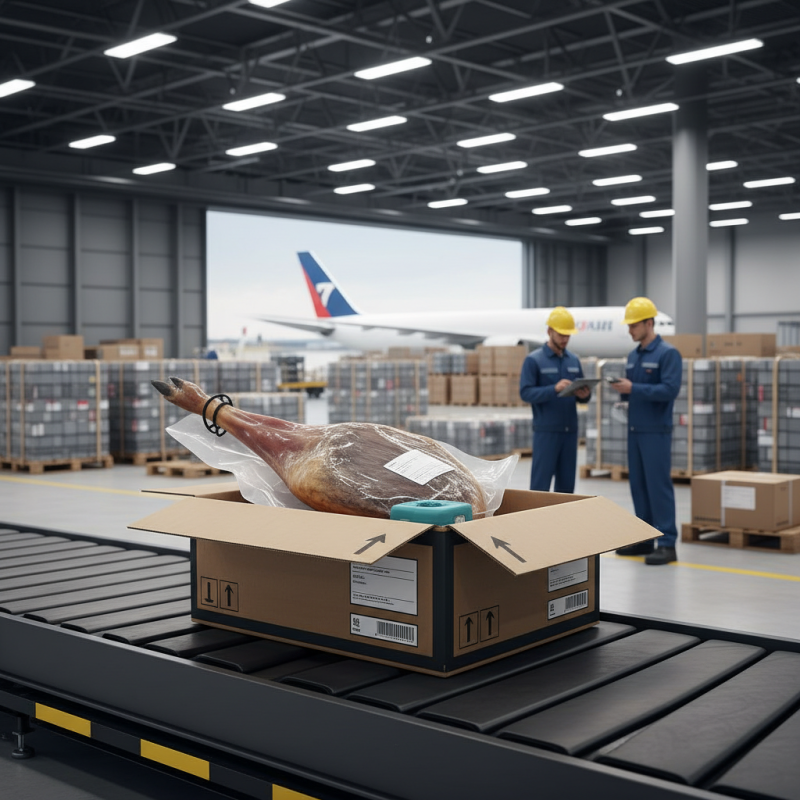
Understanding International Shipping Regulations for Ham
Shipping ham internationally requires careful navigation of various regulations. Different countries have specific laws regarding meat importation. Many countries require health certificates for imported meats. It's vital to check the destination country's requirements before shipping. This ensures compliance and prevents your shipment from being rejected.
Packaging plays a crucial role. Use insulated boxes and ice packs to keep the ham fresh. Proper labeling is important. Clearly indicate the contents and include any necessary documentation. Some countries may require packaging to meet specific hygiene standards. Failing to comply can lead to delays or loss of the shipment.
However, even with thorough preparation, unexpected issues can arise. Customs clearance can be unpredictable. Miscommunication can lead to extra fees or returned shipments. Reflecting on past experiences can offer valuable insights. Learning from these challenges is key to improving future shipments.
Choosing the Right Packaging Materials for Ham Shipment
Choosing the right packaging materials for shipping ham internationally is critical for maintaining its quality. Proper insulation is essential. Use insulated boxes to protect the ham from temperature fluctuations. This helps keep the product fresh during transit. Layering with bubble wrap ensures additional cushioning and protection against impacts.
Vacuum sealing is an effective technique. It removes air and moisture, extending shelf life. This method minimizes the risk of spoilage and contamination. While sturdy cardboard boxes are solid choices, always check their moisture resistance.
International shipping can expose packages to varying climates.
Not every packaging option is perfect. Sometimes, damages occur despite using quality materials. It’s important to reflect on past experiences and learn from them. Tracking the shipment can help identify issues during transport.
The right materials make a difference, but being prepared for the unexpected is equally crucial.
Selecting Reliable Shipping Carriers for International Delivery
When shipping ham internationally, selecting the right carrier is crucial. A reliable shipping carrier ensures your product arrives safely and on time. Consider the carrier's experience in handling perishable goods. They should have a proven track record and adhere to international shipping standards.
Evaluate each carrier's shipping options. Some may offer temperature-controlled services. This is essential for preserving the quality of your ham. Look for carriers with a strong network in both the sending and receiving countries. Ask about their tracking systems. Real-time updates help you stay informed on the shipment's progress.
Tips: Always inspect the packaging before shipping. Ensure it is airtight to maintain freshness. Check if the carrier provides insurance for high-value items. This guards against potential loss or damage. Engage with carriers that have good customer reviews. Feedback from other users can highlight potential issues you might face.
Determining Customs Requirements and Duties for Ham Shipments
Shipping ham internationally involves navigating various customs requirements and duties. Each country has its own regulations regarding the import of meat products. For instance, according to the International Trade Administration, over 30% of countries impose strict restrictions on importing pork. These regulations often depend on sanitary standards and animal health concerns.
Before shipping, research the destination country's requirements. Documentation is crucial. Many countries require health certificates and import permits for meat shipments. Missing paperwork can lead to delays or even confiscation. The World Customs Organization reports that inefficient paperwork costs companies around 20% of potential profits in the logistics sector.
Consider duties and taxes as well. Different countries tax imported goods at varying rates. For example, Australia imposes a tariff rate of up to 5% on certain pork products. Unexpected costs can arise if you're unaware of these fees. Therefore, proper budgeting is essential. Yet, many shippers overlook this detail, ultimately affecting their bottom line and ability to deliver efficiently. Always consult experts or reliable resources to ensure compliance with the relevant customs regulations.