How to Install a Deluge System for Effective Fire Protection?
A deluge system is a vital tool for fire protection. Its design allows for rapid water discharge to combat flames effectively. Installing a deluge system may seem straightforward, yet complexities exist. Proper planning and execution are crucial for maximum efficiency.
Consider the specific risks in your environment. Industrial settings may require more robust systems. Each installation needs a thorough risk assessment. Mistakes can lead to inadequate protection or system failure.
Understanding key components is essential. Valves, piping, and control systems all play critical roles. Each part must work harmoniously to ensure effectiveness. Navigating through installation challenges will require patience and attention to detail. A deluge system not only saves property but can also save lives. Therefore, investing time in the installation process is invaluable.
Overview of Deluge Systems and Their Role in Fire Protection
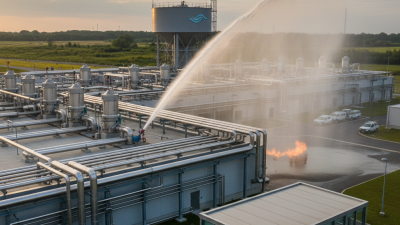
Deluge systems play a vital role in fire protection by utilizing a network of pipes that release large volumes of water through open nozzles during an emergency. This approach is designed for high-risk environments, such as chemical plants and refineries. According to the National Fire Protection Association (NFPA), deluge systems can reduce fire spread and minimize damage by quickly drenching the affected area. Studies show that they are particularly effective in controlling large fires, sometimes decreasing fire-related losses by up to 60%.
While deluge systems are powerful tools, they come with complexities. Installation requires a thorough understanding of the facility's design, and the risk of water damage must be considered. The Fire Protection Research Foundation estimates that improper installation can lead to significant malfunctions. Regular maintenance checks are essential to ensure reliability. A miscalculation in the system’s design or failure to conduct routine tests can prove detrimental, potentially undermining their intended effectiveness.
In conclusion, while deluge systems provide robust solutions for fire protection, their effectiveness heavily relies on proper installation and regular maintenance. Planning is critical, as is a responsive approach to inspections and repairs. Understanding the limits and vulnerabilities of these systems is crucial for maximizing their benefits.
How to Install a Deluge System for Effective Fire Protection?
| Component |
Description |
Function |
Installation Considerations |
| Deluge Valve |
Controls the water flow in a deluge system |
Activates water discharge for fire suppression |
Must be easily accessible for manual operation |
| Piping Network |
Network of pipes to distribute water |
Delivers water to spray nozzles |
Design must ensure adequate pressure and flow |
| Spray Nozzles |
Devices that disperse water over the fire area |
Creates a wide spray pattern to cover the area |
Placement should maximize coverage and effectiveness |
| Alarm System |
Notifies personnel of fire incidents |
Initiates system response and evacuation procedures |
Must be integrated with the fire suppression system |
| Water Supply |
Source providing adequate water for the system |
Ensures sustained water flow during fire events |
Should meet local fire flow requirements |
Key Components of a Deluge Fire Protection System
A deluge fire protection system is essential for areas with high fire risks. It consists of several key components that work together to combat flames effectively. The main parts include deluge valves, water supply systems, piping, and nozzles. These elements deliver water quickly over large areas, helping to control and suppress fires.
The deluge valve is crucial. It opens all nozzles at once when activated. This allows for a massive flow of water. The water supply must be adequate to meet the demand. Piping should be durable and resistant to corrosion. Choosing the right material is essential. Nozzles must distribute water evenly across the area.
Tip: Regular testing of the system is vital. Make sure to conduct drills and maintenance checks. This ensures everything works when needed. Remember, a poorly maintained system can lead to failures.
Training staff on the deluge system is also important. Everyone should know how to operate it in case of emergency. This knowledge can save lives. Inadequate training could leave people unprepared during a fire.
Tip: Always update your emergency plans. Review and revise them to adapt to changing situations. Keeping your approach flexible is key for effective fire protection.
Step-by-Step Installation Process for Deluge Systems
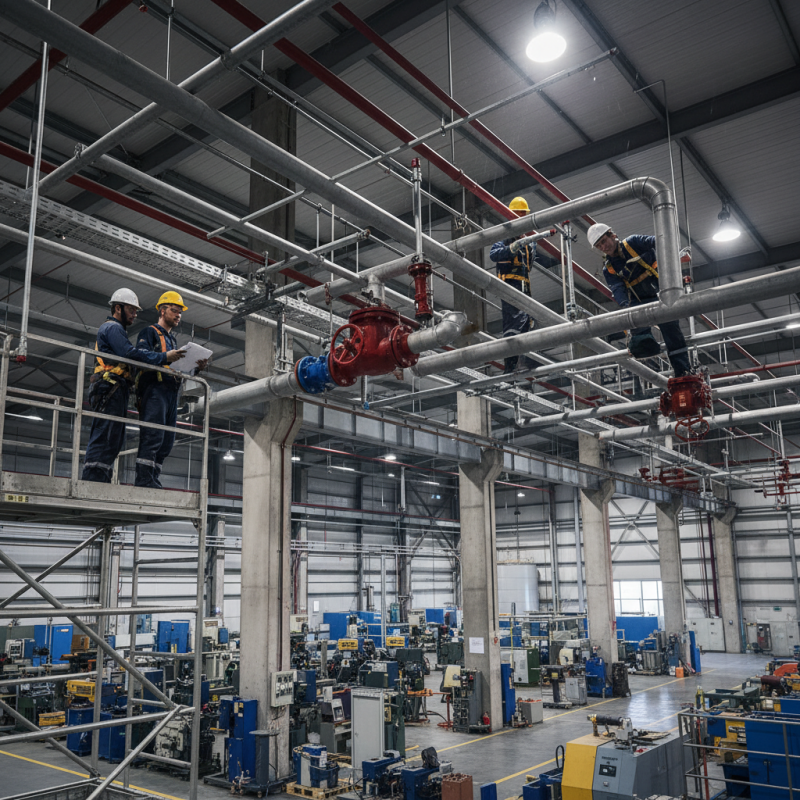
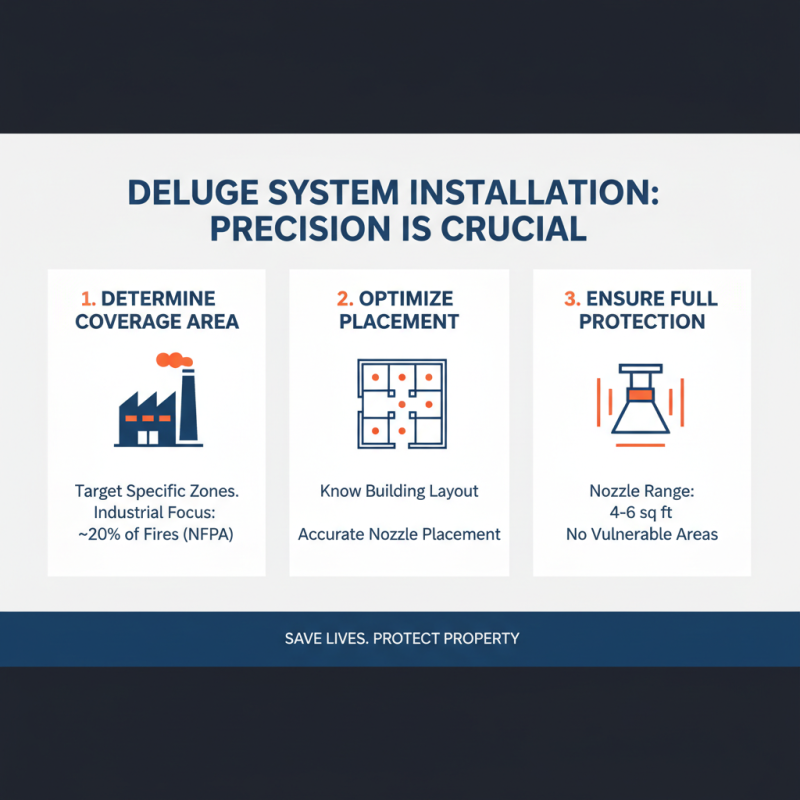
When installing a deluge system, precision is crucial. The first step involves determining the specific area that needs coverage. According to the National Fire Protection Association (NFPA), roughly 20% of fires occur in industrial settings. Proper installation could potentially save lives and property. Knowing the building layout helps in placing discharge nozzles accurately. Each nozzle should cover four to six square feet, ensuring no area is left vulnerable.
Next, it's important to consider the water supply. Statistics show that approximately 60% of fire protection failures stem from inadequate water supply. Installing an effective deluge system requires a dedicated water line capable of handling the required flow rates. Often, design engineers use calculations based on the potential spray pattern. Yet, many overlook ensuring the accuracy of these calculations. Testing the water supply’s pressure also helps to avoid future complications.
Finally, establishing a maintenance plan is vital. Regular checks help identify corrosion or blockages in piping. A report from the Fire Protection Research Foundation indicates that maintenance lapses account for a large number of system failures. Many organizations delay these checks, thinking everything is fine. This attitude can lead to severe consequences. Installation isn’t just about setting up; it’s an ongoing commitment to safety.
Best Practices for Testing and Maintenance of Deluge Systems
Testing and maintenance of deluge systems are crucial for effective fire protection. According to the National Fire Protection Association (NFPA), testing should occur at least annually. Many facilities neglect this, leading to potential failures during emergencies. A deluge system must discharge water effectively. Regularly inspect the nozzles for blockages or corrosion. A simple visual check can reveal critical issues.
Documentation is vital. Record all tests and maintenance actions. This practice not only ensures compliance but also helps identify trends. For instance, a significant increase in repair frequency might signal an underlying problem. Furthermore, NFPA recommends conducting flow tests every five years. Such tests verify that the system delivers the required water supply. These assessments help in managing performance.
User training also deserves attention. Operators must understand how to activate and maintain the system. Many incidents occur due to misuse or lack of knowledge. It’s important to review procedures regularly. Continuous education is beneficial. Feedback from past experiences can improve future responses. Awareness is key to an effective fire protection strategy. Regular updates can fill knowledge gaps and enhance system reliability.
Industry Standards and Regulations for Deluge System Implementation
Deluge systems are crucial for fire protection in industrial settings. Implementing these systems requires adherence to industry standards and regulations. Different sectors may have unique requirements, making it essential to understand local regulations. Standards set by organizations ensure safety and effectiveness in combating fires. Regular revisions of these standards mean staying updated is necessary.
Tips for compliance: Always consult local fire codes before installation. Engage with local authorities early in the process. Design your system according to acceptable engineering practices. This can prevent future compliance issues.
In some regions, the absence of a permit can lead to delays. Ensuring that every aspect of the installation meets regulations is vital. Regular inspections can reveal overlooked details. Remember, documentation is key. Maintaining a clear record of your compliance journey helps when facing audits or inspections.
Deluge System Installation - Key Factors and Compliance Standards