How to Choose the Right Y Type Strainer?

Choosing the right y type strainer is not a matter of selecting the largest available model. It requires a clear understanding of the fluid, piping system, pressure, temperature, and contamination risk.

Dr. Paul N. Cheremisinoff, a respected chemical engineering and filtration author, emphasized a practical principle: “Protect the process before problems reach the equipment.” That idea fits every y type strainer application. A strainer installed before a pump may capture welding slag, rust flakes, or pipe scale. However, an undersized unit can create excessive pressure loss and reduce flow. Small details matter.

Start with the pipeline’s nominal size and actual flow rate. Then examine the fluid carefully. Water, oil, steam, and corrosive chemicals place different demands on body and screen materials. Stainless steel may suit demanding services, while cast iron can be practical for less aggressive water systems. The choice should follow verified operating data, not habit.

Mesh size also deserves attention. A finer screen provides better particle removal, but it may clog sooner. A coarse screen protects flow but allows smaller debris to pass. There is no perfect choice. Sometimes, engineers focus too heavily on filtration precision and overlook maintenance access.

Check pressure ratings, temperature limits, connection standards, and cleaning requirements. A drain valve can simplify maintenance. A blowdown arrangement may reduce shutdown time. Always confirm the manufacturer’s test data and installation instructions before purchase. This guide explores those decisions, including the mistakes that look minor but can damage pumps, valves, and downstream equipment.
How to Choose the Right Y Type Strainer?

Understanding What a Y Type Strainer Is and How It Works

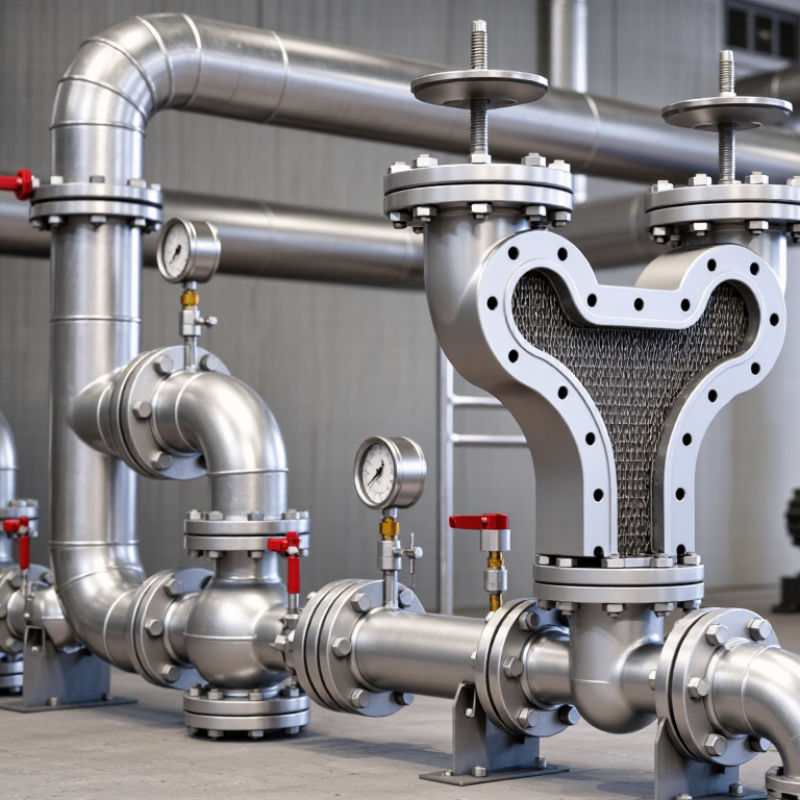
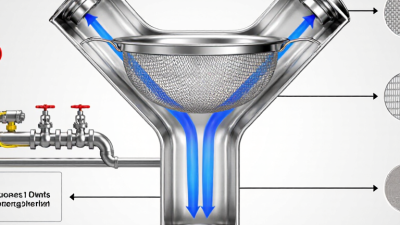
A Y type strainer is a compact filtration device installed in a pipeline. Its body resembles the letter Y, with a removable screen inside the angled branch. As fluid passes through the main passage, the screen traps rust, scale, welding debris, and other solid particles. Cleaner fluid continues toward pumps, valves, meters, or heat exchangers.

The working principle is simple. Fluid enters under pressure and moves across the perforated screen. Debris remains inside the screen chamber, while filtered fluid exits downstream. The opening size controls filtration performance, but a finer screen also creates greater pressure loss.

That matters. A pressure gauge can reveal when the screen needs cleaning. In practical maintenance, checking the screen after commissioning often reveals debris that was not visible during installation.

Choosing the right Y type strainer requires more than matching pipe size. Confirm the fluid, operating temperature, pressure, flow direction, and required filtration level. Screen materials must suit the service conditions. The strainer should also be installed where the angled chamber remains accessible for removal. A drain connection can make cleaning faster, especially on larger systems. Some installations use the wrong orientation because the drawing is read too quickly. The result may be poor drainage or difficult maintenance. It is worth checking the arrow on the body and allowing enough clearance for screen removal. No component is maintenance-free, even when the pipeline appears clean.
Identifying the Right Strainer Size, Material, and Connection Type

Choosing a Y type strainer starts with the pipeline, not the strainer body. Match the nominal line size and confirm the required flow rate. A smaller unit may create excessive pressure loss. A larger unit can reduce filtration velocity, but it may cost more and collect debris inefficiently. Check the screen area, mesh opening, operating pressure, and temperature before selection. In field inspections, I have seen perfectly clean strainers perform poorly because the screen was too fine for the pump.

Material selection should reflect the fluid and installation environment. Stainless steel suits many corrosive or hygienic applications. Carbon steel may fit less aggressive services when properly protected. Consider chemical compatibility, temperature cycling, erosion, and external moisture. The gasket material matters too. It can fail before the metal does. I once focused heavily on body strength and overlooked gasket compatibility. That was a useful correction.

Tips

Confirm whether the connection is threaded, flanged, or welded. Threaded ends work well on smaller lines, while flanges simplify removal and maintenance on larger systems. Welded connections offer a compact, permanent installation, but they require careful alignment and qualified workmanship. Check the flow arrow and allow enough clearance beneath the strainer cap. The cap must open without disturbing nearby equipment. Review the manufacturer’s pressure-drop data, then compare it with the system’s actual operating conditions. Calculations are important, but site conditions can still surprise you.

Matching the Filtration Rating to Your System Requirements

Choosing the right Y type strainer starts with the filtration rating, not the pipe diameter. A larger connection does not guarantee suitable protection. Check the fluid, flow rate, particle size, and equipment sensitivity before selecting the screen.

Micron ratings describe the size of particles the screen can retain. Mesh ratings describe openings through a woven screen. These measurements are related, but they are not identical. Confirm whether the rating is nominal or absolute. A pump manufacturer may specify a 500-micron screen, while a control valve may need finer protection. Matching the rating to the most sensitive component helps prevent premature wear.

Filtration that is too fine can restrict flow. Watch the pressure drop across the strainer during normal operation. High viscosity, cold fluid, and heavy debris can block the screen faster than expected. A differential pressure gauge makes this condition easier to detect. In field inspections, screens often collect installation debris during the first weeks of service. Cleaning the screen after commissioning is easy to overlook.

Temperature, pressure, and material compatibility also matter. The screen must withstand the operating environment without distortion or corrosion. I have seen systems selected by habit instead of measured requirements. That shortcut sometimes works, but it is difficult to defend. Review the supplier’s flow data, inspect the screen regularly, and leave room for practical maintenance access.

How to Choose the Right Y Type Strainer? - Matching the Filtration Rating to Your System Requirements

Filtration Rating Approximate Opening Size Typical System Requirement Common Applications Advantages Selection Considerations
Coarse protection
Perforated screen: 1.5–3 mm
Approximately 1,500–3,000 microns Removal of large debris while maintaining high flow capacity Cooling-water lines, fire-water systems, irrigation, general pump suction protection Low pressure drop and long service intervals Does not protect equipment from sand, scale, or other fine particles; check the protected component's minimum particle tolerance
20 mesh Approximately 841 microns Basic protection against relatively large suspended solids Water circulation, utility piping, larger valves and pumps Good balance between debris capture and flow capacity A practical starting point for systems where fine filtration is not required
40 mesh Approximately 400 microns General-purpose protection for valves, pumps, and control components Process water, HVAC water circuits, compressed-air utilities Captures smaller debris without the maintenance demand of very fine screens Confirm that the available screen area is sufficient for the design flow rate
60 mesh Approximately 250 microns Moderate particle control for sensitive downstream equipment Nozzles, heat exchangers, metering devices, and medium-duty process equipment Improved protection from sand and smaller particulate matter Monitor differential pressure more frequently, especially in dirty or sediment-bearing fluids
80 mesh Approximately 177 microns Fine protection where small particles may affect performance Spray systems, precision valves, instrumentation lines, and selected hydraulic circuits Provides finer screening than standard utility strainers May create a faster pressure drop as the screen loads; provide access for regular cleaning
100 mesh Approximately 149 microns Protection of components that require relatively clean fluid Fine spray nozzles, analytical instruments, small orifices, and selected fuel or oil systems Reduces the risk of blockage in small passages and orifices Use only when the fluid is reasonably clean or when inspection and cleaning can be performed regularly
200 mesh Approximately 74 microns Very fine screening for specialized equipment protection Fine process-fluid service, precision equipment, and applications with strict cleanliness requirements Captures substantially smaller particles than coarse or standard screens Higher clogging risk and pressure loss; a cartridge filter or dedicated filtration system may be more appropriate for continuous fine filtration
Custom micron rating Specified by the required particle size The system has a documented maximum allowable particle size Specialized process lines, laboratory utilities, and equipment with manufacturer-defined filtration limits Matches the strainer directly to the system's cleanliness requirement Verify whether the rating is nominal or absolute, and confirm compatibility with the fluid, temperature, pressure, and flow rate

Note: Mesh-to-micron values are approximate. Actual openings depend on wire diameter, screen construction, and the manufacturer's stated filtration standard. Select the Y type strainer based on required particle retention, flow rate, allowable pressure drop, fluid compatibility, and cleaning access.

Evaluating Pressure, Temperature, and Flow Conditions

Choosing the right Y type strainer starts with actual operating conditions, not pipe size alone. A strainer that looks suitable in a catalog may fail under sudden pressure changes. Check the normal pressure, startup pressure, and maximum allowable pressure. Review the differential pressure across the screen as well. Excessive pressure loss can reduce pump performance and increase energy use.

Temperature deserves equal attention. Confirm the continuous operating temperature and any short-term peaks during cleaning or shutdown. The body, gasket, and screen must tolerate these conditions together. Thermal expansion can loosen connections or stress seals. I once focused too heavily on body strength and overlooked gasket temperature limits. That mistake was small, but expensive to correct.

Flow conditions determine how quickly debris loads the screen. High flow velocity can create turbulence, noise, and rapid pressure drop. Low flow may allow particles to settle near the outlet. Estimate the fluid’s viscosity, solids content, and expected flow rate. A finer screen improves filtration, but it also requires more frequent cleaning. Leave enough clearance to remove the cover safely. Check valve orientation and drainage access before installation. These details are easy to miss. Field readings should confirm the design assumptions, because real systems rarely behave perfectly.

How to Choose the Right Y Type Strainer?

Evaluating Pressure, Temperature, and Flow Conditions

This representative engineering comparison shows how pressure drop increases with flow through clean Y strainers using different screen openings. Select a strainer that remains within the system pressure-drop limit at the required flow, while confirming that the body, gasket, and screen materials are rated for the operating temperature and pressure.

Comparing Maintenance Needs, Installation Options, and Total Cost

How to Choose the Right Y Type Strainer?

A Y type strainer should be selected around maintenance, not only pipe size. In plant inspections, the most common mistake is hiding the screen above a ceiling or behind insulation. Leave enough clearance for removal. The drain should also face a safe, reachable point. For liquid service, a downward pocket usually supports easier cleaning. Gas service may require a different orientation. Always follow the manufacturer’s flow arrow and applicable piping standards.

Installation affects operating cost. The U.S. Department of Energy’s Pumping Systems Tip Sheet reports that pumping systems can consume about 25% of industrial electricity. A partially blocked screen increases pressure loss and may force a pump to work harder. Install pressure gauges before and after the strainer. Record the clean pressure difference. Small details matter. A removable cover saves labor during shutdowns. A blowdown connection can reduce opening frequency, but it does not replace inspection. The European Commission’s Best Available Techniques Reference Document for Energy Efficiency also emphasizes monitoring pressure losses and improving access for maintenance.

Total cost includes labor, gaskets, disposal, downtime, and wasted energy. Stainless steel may cost more initially, yet it can resist corrosion in wet services. A cheaper carbon-steel body can become an expensive choice after repeated coating repairs. That is not always true. Water chemistry decides much of the outcome. Review flow rate, temperature, pressure, particle size, and cleaning frequency with a qualified engineer. Choose the smallest practical mesh, not the finest available one. Fine screens may protect equipment better, but they can clog quickly and create avoidable pressure loss.

Request a Quote/Further Information

    Download