How to Choose the Best Smart Glucose Meter for Your Market?
Choosing the best Smart Glucose Meter for a market is not simply a matter of comparing screens, colors, or app features. It requires a close look at real users, clinical workflows, purchasing habits, and local support capacity. A device that performs well in a modern clinic may frustrate a first-time user at home. Small details matter: readable numbers in bright sunlight, a lancet that feels less harsh, reliable Bluetooth pairing, and alerts that do not become digital noise.
Dr. David C. Klonoff, a recognized diabetes technology researcher, has said, “The value of diabetes technology is ultimately measured by the outcomes it helps people achieve.” That principle should guide every product decision. Buyers should examine analytical accuracy, data security, battery life, consumable availability, software compatibility, and the clarity of the user instructions. Independent validation is important. Marketing claims are not enough.
Market fit is also easy to misjudge. A low-cost meter may attract distributors but fail when test strips are difficult to obtain. A feature-rich model may look impressive but overwhelm older adults or users with limited digital confidence. Sometimes, simpler is better. Not always.
A responsible evaluation should include interviews with patients, pharmacists, clinicians, and procurement teams. Test the meter in ordinary situations, such as a dim bedroom, a busy pharmacy, or a rushed morning. Record failures, not only successful demonstrations. The imperfect findings may reveal the most valuable insight. This article explains how to compare Smart Glucose Meter options through evidence, usability, clinical relevance, and dependable long-term support.
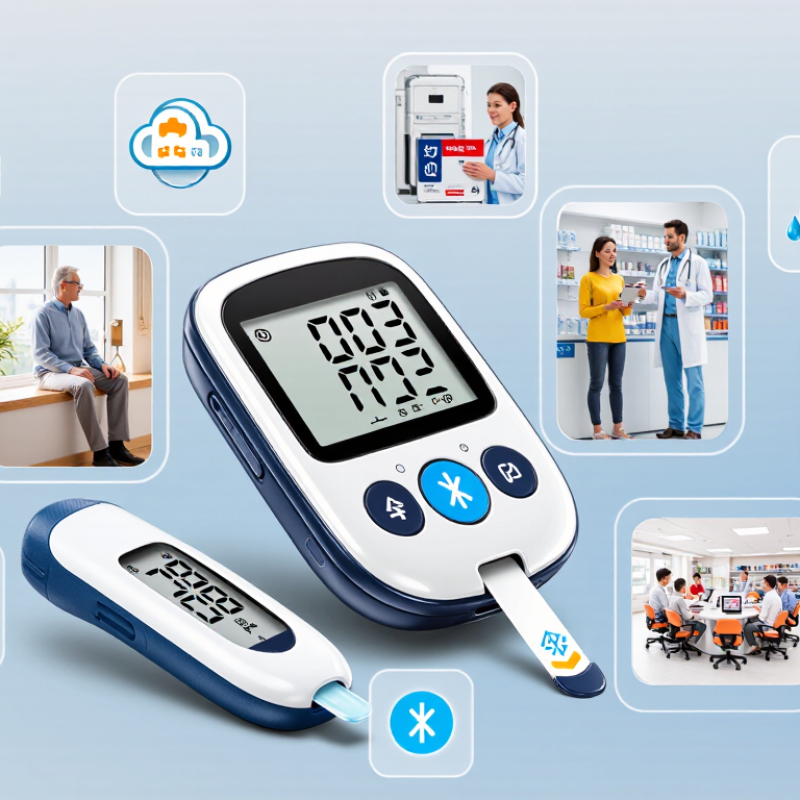
Define Your Market’s Users, Needs, and Regulatory Requirements
Choosing the best smart glucose meter starts with understanding your market’s users. A busy parent may need quick readings and simple alerts. An older adult may prefer large numbers and fewer screens. People with limited digital skills need clear setup instructions. Clinicians may require reliable data sharing and readable reports. In practical evaluations, small details often matter, such as a bright display, stable Bluetooth connection, and easy-to-open test strips.
User needs must match real treatment routines. Ask how often users test, where they test, and who reviews the results. Consider pain, skin sensitivity, battery life, and language support. A polished app cannot fix confusing instructions. It may also create extra work for healthcare teams. I would not assume every user wants constant notifications. Some users may find them stressful.
Tips: Map users by age, condition, technical confidence, and care setting. Test the meter with real users, not only trained staff. Check accuracy evidence under local testing conditions. Review data privacy, cybersecurity, labeling, and local medical-device approval requirements before launch. Requirements differ by market. Keep technical files and post-market monitoring plans ready. A device can be useful yet still fail approval if its claims exceed its evidence. Recheck those claims.
Compare Glucose Accuracy, Connectivity, and Smart Features
Choosing the best smart glucose meter starts with glucose accuracy. A sleek app cannot compensate for unreliable readings. Compare published performance data, testing methods, and results across low, normal, and high glucose ranges. Check whether the meter has appropriate clearance for your target market. Local requirements matter. Independent evaluations are valuable because laboratory claims may not reflect daily use. Consider sample size, blood volume, testing time, and error rates. A meter that works well with cold fingers may suit outdoor users better. Accuracy is never absolute.
Tips: Test several devices with the same user and similar conditions. Record readings beside a reference method when medically appropriate. Ask whether the device maintains performance after repeated use. Small details reveal practical weaknesses.
Connectivity should fit real workflows. Bluetooth pairing must be simple, stable, and secure. Automatic data transfer can reduce manual logging, especially for users monitoring several times daily. However, frequent disconnections create hidden workload. Confirm compatibility with common phones, operating systems, and digital health platforms in your market. Review data permissions carefully. Cloud storage may improve access, but privacy expectations differ by region. Smart alerts can identify patterns, yet poorly designed notifications may cause confusion. Clear trend displays are more useful than crowded dashboards. I would not assume that more features mean better care.
Consider whether insights are clinically understandable. A useful system can flag repeated highs, missed readings, or unusual changes without pretending to replace professional judgment. During pilot testing, measure setup time, battery life, customer support quality, and training needs. Some findings may disappoint. That is still useful evidence.
Evaluate Data Security, App Usability, and Device Compatibility
When selecting a smart glucose meter, treat data security as a clinical requirement. The IDF Diabetes Atlas reports that 537 million adults lived with diabetes in 2021. That scale increases the value of trustworthy data. It also increases the consequences of weak protection. IBM’s Cost of a Data Breach Report 2024 places the average healthcare breach cost at 9.77 million dollars. Ask whether data is encrypted during transfer and storage. Check permission controls, audit logs, retention settings, and breach notification procedures. Marketing claims are not evidence.
App usability deserves hands-on testing. A nurse should understand the dashboard after one short demonstration. A patient should locate readings without hunting through menus. Check font size, language options, trend displays, alerts, and offline behavior. The National Institute of Standards and Technology recommends testing usability with representative users, not only technical staff. That matters in crowded clinics and poorly connected homes. A polished interface can still confuse older users. I would test five to eight people from the target market before approval.
Compatibility is less visible, but equally important. Review support for current phone operating systems, Bluetooth versions, glucose data formats, and clinical systems using FHIR-based exchange. The ONC’s 2023 Health IT Data Brief shows continuing growth in electronic health information exchange, yet integration remains uneven. Do not assume every device will connect smoothly. Test pairing, data export, duplicate readings, and battery recovery. A spreadsheet backup may seem old-fashioned. It can prevent a costly gap.
How to Choose the Best Smart Glucose Meter for Your Market?
Recommended evaluation weight for data security, app usability, and device compatibility
Evaluation guidance: Data security receives the highest weighting because glucose records are sensitive health information. App usability covers readability, setup time, alerts, data export, and accessibility. Device compatibility includes mobile operating systems, Bluetooth connectivity, regional regulatory requirements, and integration with healthcare platforms. The weighting can be adjusted for local regulations and user needs.
Assess Costs, Supply Stability, and Customer Support
Choosing a smart glucose meter requires more than comparing the purchase price. The International Diabetes Federation estimates that 537 million adults lived with diabetes in 2021. That scale makes dependable access commercially important. Calculate the full landed cost, including sensors, batteries, calibration materials, software, training, returns, and technical support. OECD Health at a Glance 2023 reports that out-of-pocket payments represent about 18% of health spending across OECD countries. Even small recurring costs can reduce customer adherence.
Supply stability deserves a separate assessment. Request 12-month forecasts, safety-stock policies, component origins, and backup production sites. Ask suppliers to show recent fill rates and average recovery times after shortages. A low quotation is not attractive if one missing sensor stops a clinic’s workflow. Check packaging durability too. Heat, humidity, and long transport routes can quietly damage performance. I would avoid relying only on supplier promises. Audited records are stronger, although they may still hide local distribution problems.
Customer support is part of the product. PwC’s Future of Customer Experience survey found that 32% of consumers would leave a preferred company after one poor experience. Require multilingual assistance, response-time targets, remote troubleshooting, and clear escalation procedures. Test support before signing: send a realistic error message and measure the reply. Do not assume an elegant app means helpful service. That assumption often fails. Evaluate training materials with actual users, because procurement teams can miss confusing instructions. Review support data quarterly, and be willing to revise the scorecard.
Validate the Meter Through Clinical Testing and Market Feedback
How to Choose the Best Smart Glucose Meter for Your Market?
Validate the Meter Through Clinical Testing and Market Feedback
A smart glucose meter should earn trust before it earns shelf space. Clinical validation must include varied ages, glucose ranges, skin types, and testing conditions. ISO 15197:2013 expects 95% of results to fall within defined accuracy limits and 99% within clinically acceptable zones. These figures are useful, but they are not the whole story.
Independent testing should compare readings with a laboratory reference method. Researchers should document temperature, strip storage, user technique, and sample collection. The International Diabetes Federation reported 537 million adults living with diabetes in 2021. This scale makes regional validation important, especially where climate and healthcare access differ. A meter tested only in controlled rooms may perform differently in a humid home.
Market feedback reveals problems that clinical trials can miss. Users may report painful lancing, unclear alerts, weak connectivity, or confusing result displays. Collect feedback from patients, nurses, pharmacists, and caregivers. Track repeat errors, not only satisfaction scores. Small usability studies can expose a serious design flaw.
Do not overvalue attractive apps.
A polished dashboard cannot correct inaccurate readings. My evaluation would also question short trials, because early enthusiasm may hide abandonment after several weeks. The 2024 American Diabetes Association Standards of Care emphasize accurate monitoring and individualized diabetes management. Therefore, procurement teams should review clinical evidence, post-market complaints, data security practices, and local support capacity before selecting a device for a specific market.