Call us on: +44 (0) 1482 323163
Request a Quote
Buying a Full Engine in 2026 requires more than comparing online prices. Compatibility, documentation, and supplier credibility can determine whether the purchase succeeds.
Start with the vehicle identification number, engine code, model year, and drivetrain details. A small mismatch can create expensive installation problems. Ask whether the unit is new, remanufactured, rebuilt, or used. These descriptions are not interchangeable. Request clear photographs of the block, cylinder heads, intake ports, sensors, and identification plate. A trusted seller should also provide mileage, compression-test results, oil-pressure readings, and a written warranty.
Look closely at the warranty terms. Confirm coverage length, labor exclusions, return shipping, and core-charge requirements. Some warranties become invalid if installation records are missing. An independent mechanic can inspect the engine before payment, especially when the price seems unusually low. That extra inspection may feel inconvenient. It can prevent a costly mistake.
Environmental and import requirements matter in 2026. Verify emissions compatibility, regional certification, customs paperwork, and recycling obligations before ordering. Use secure payment methods and keep every invoice, message, and inspection report. Authorized dealers and established remanufacturers usually offer stronger traceability than anonymous marketplaces. Still, reputation alone is not proof. Check recent reviews, business registration details, technical support, and parts availability.
I have learned that the cheapest engine is rarely the cheapest solution. Shipping damage, missing accessories, or unclear return policies can quickly change the final cost. Build a complete budget before deciding. Include installation, fluids, seals, diagnostic labor, transportation, and possible programming. Then compare suppliers using the same checklist. A careful purchase is not perfect, but it is informed, documented, and easier to defend when something goes wrong.
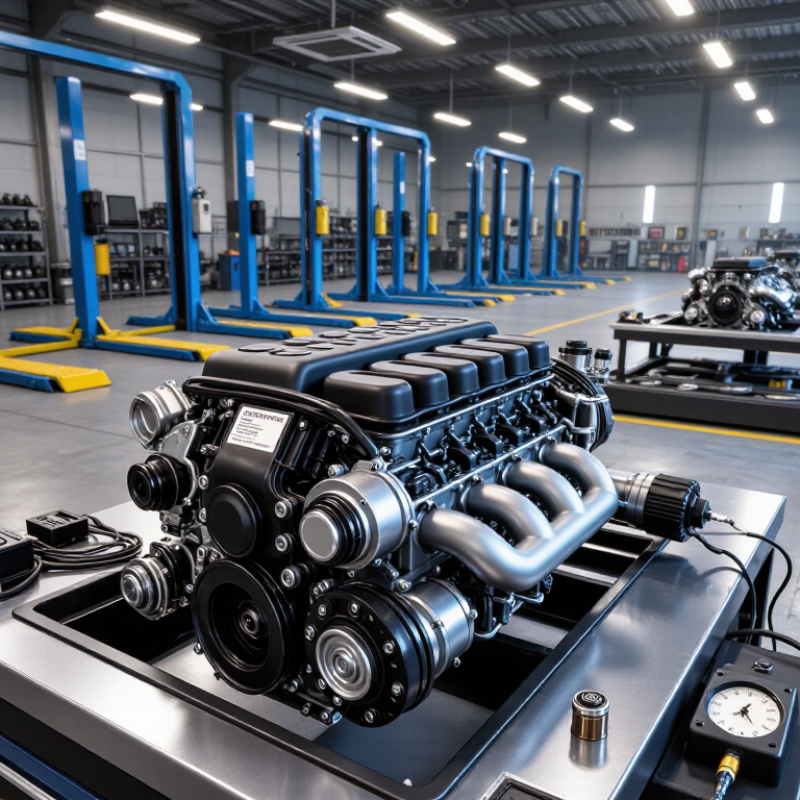
Buying a full engine in 2026 starts with defining “full.” A long block usually includes the engine block, crankshaft, pistons, connecting rods, cylinder head, camshaft, valves, and timing hardware. A complete engine may also include the intake system, fuel equipment, turbocharger, oil pan, sensors, starter, alternator, and wiring. These terms are not universal. Ask for a written component list.
You may need one when the block is cracked, cylinder damage exceeds machining limits, or rebuilding costs approach replacement cost. The decision matters more as vehicles age. S&P Global Mobility reported an average U.S. vehicle age of 12.6 years in 2024. The Auto Care Association valued the U.S. automotive aftermarket at about $500 billion in 2023, showing how common major repairs have become. Still, mileage alone proves little. Compression results, oil-pressure readings, coolant contamination, and a professional scan provide stronger evidence.
When comparing engines, check the exact engine code, production year, mileage, compression warranty, and included accessories. Confirm whether the price includes a new oil pump, timing set, seals, and installation hardware. A low price can hide missing sensors or a reused cylinder head. I have seen buyers focus on mileage and overlook compatibility. That mistake can turn a bargain into weeks of delays. Independent inspection is worth the cost. Keep every measurement and promise in writing.
| Buying Dimension | What to Check | Typical Details | Why It Matters |
|---|---|---|---|
| Engine assembly level | Confirm whether the listing is for a long block, a complete engine, or a dressed engine. | A long block generally includes the engine block, cylinder head or heads, and internal valve-train components. A dressed or more complete assembly may also include items such as the intake manifold, fuel system parts, ignition components, or accessories; exact contents vary. | The term “full engine” is not a standardized parts list. Get the included and excluded components in writing before comparing prices. |
| Commonly excluded parts | Ask specifically about the alternator, starter, air-conditioning compressor, wiring harness, engine control unit, exhaust manifolds, and transmission. | These parts are often transferred from the old engine or purchased separately. Fluids, filters, belts, hoses, and installation hardware may also be excluded. | Excluded parts can add substantially to the total replacement cost and affect installation timing. |
| Vehicle fitment | Match the vehicle identification number, model year, engine code, displacement, fuel type, and emissions specification. | Engines that share a displacement may still differ in mounting points, sensors, wiring, emissions equipment, or calibration. | Visual similarity alone does not establish compatibility. Confirm fitment with the seller and, where needed, a qualified technician. |
| Engine condition | Identify whether the engine is new, remanufactured, rebuilt, or used. | A used engine is typically a previously operated assembly. A remanufactured engine is disassembled, inspected, and reconditioned to a defined process. “Rebuilt” can describe different scopes of work, so request the actual work performed. | Condition labels alone do not reveal inspection standards, replaced parts, or remaining service life. |
| Inspection records | Request available test results and documentation, such as compression or leak-down readings, oil-pressure checks, and inspection reports. | Not every test is applicable to every engine or sale condition. Ask how and when each test was performed and whether the results apply to the specific unit being sold. | Documented checks provide more useful evidence than a general statement that an engine was tested. |
| Warranty terms | Read the coverage period, covered components, labor provisions, claim process, and exclusions. | Some warranties require installation by a licensed repair facility, replacement of related components, or proof that specified procedures were followed. | A parts-only warranty may not cover labor, towing, fluids, or damage caused by an unresolved cooling or lubrication problem. |
| Shipping and returns | Confirm freight charges, delivery method, inspection requirements, return authorization rules, and who pays return freight. | Engines are heavy freight items and may arrive on a pallet. Visible shipping damage should be documented promptly according to the carrier’s and seller’s instructions. | Return conditions and freight costs can materially change the risk and total cost of a purchase. |
| Total installed cost | Include the engine, freight, labor, fluids, filters, seals, belts, hoses, and any required ancillary parts or programming. | The final amount depends on the vehicle, engine assembly level, local labor rates, and the condition of parts transferred from the old engine. | Compare complete written estimates rather than engine prices alone. |
| When replacement may be appropriate | Consider replacement after a qualified diagnosis identifies severe internal damage or repair costs that are not practical for the vehicle. | Examples can include a cracked block, extensive internal damage, or repeated major failures. A repairable cylinder head, gasket, or accessory fault may not require a complete engine. | Diagnose the root cause first; replacing the engine without fixing an overheating, lubrication, or contamination problem can lead to another failure. |
| Before installation | Follow the engine supplier’s installation requirements and the vehicle’s service information. | Common procedures may include checking the cooling and lubrication systems, replacing specified seals or service items, priming the oil system where required, and verifying clearances and connections. | Correct installation and resolution of the original failure cause are important for reliability and warranty eligibility. |
Note: Engine terminology, included components, testing, warranty coverage, and fitment vary by seller and vehicle. Verify the exact assembly and terms in writing before purchase.
© Shipham Valves 2025. All Rights Reserved.
Website By PS Website Design Ltd
Request a Quote/Further Information
Download