What is a Gas Safety Valve and How Does It Work?
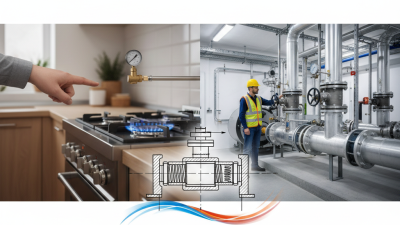
A gas safety valve is a critical component in various industrial applications. Its primary function is to prevent gas leaks, ensuring both safety and operational efficiency. According to the International Gas Union (IGU), gas-related accidents can lead to severe injuries and significant financial losses. This highlights the importance of a reliable gas safety valve.
These valves are designed to automatically shut off gas flow when pressure exceeds safe limits. In 2022, the safety valve market was valued at over $2 billion, with continuous growth projected. This growth emphasizes the increasing need for safety measures in gas applications. However, many industries overlook regular maintenance, risking valve failure.
In a world where safety is paramount, the gas safety valve cannot be an afterthought. Its effectiveness depends on proper installation and routine checks. Understanding its operation and importance can save lives and prevent costly accidents. Addressing these issues is vital for safe gas usage in homes and industries.
What is a Gas Safety Valve?
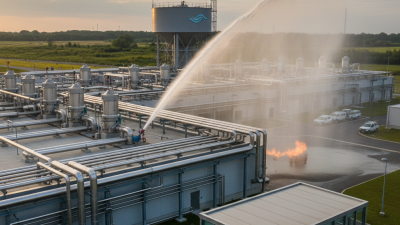
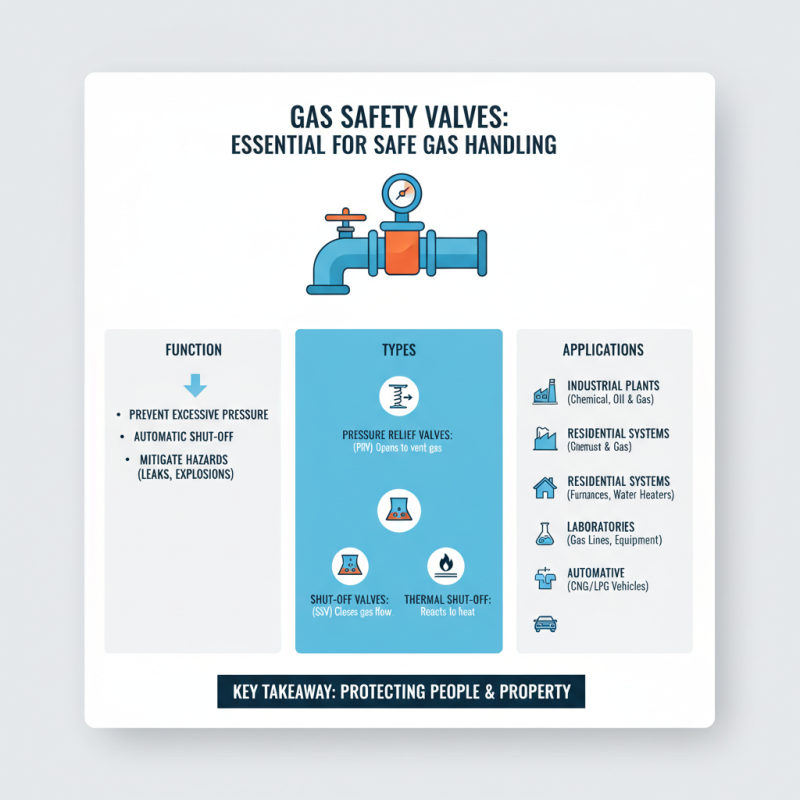
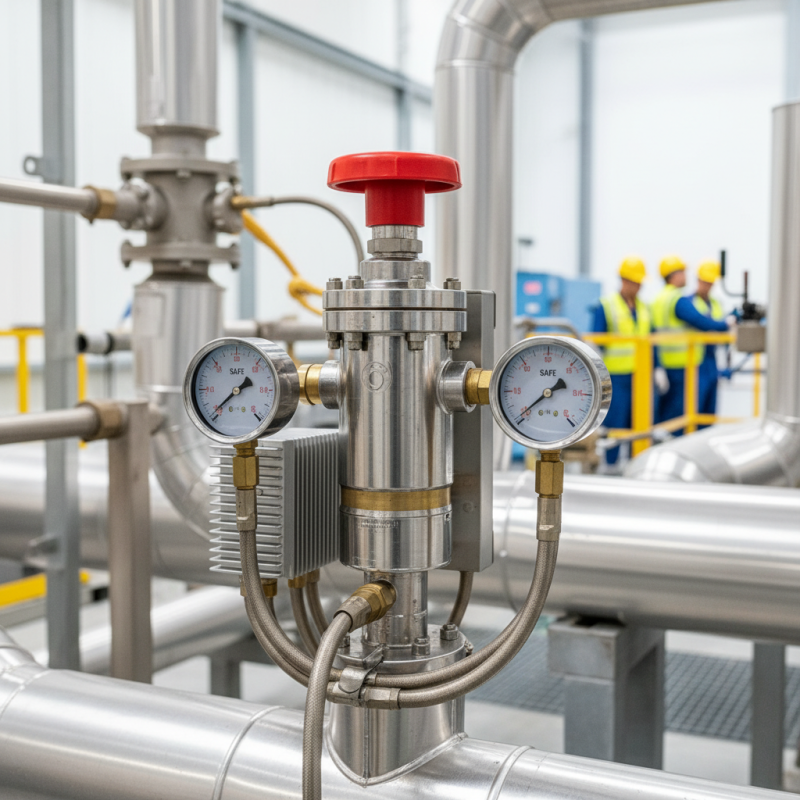
A gas safety valve is a crucial component in various gas systems. It ensures that pressure levels stay within safe limits. When pressure exceeds a set point, the valve automatically opens. This action releases excess gas and prevents potential hazards like explosions.
These valves come in different types. Common ones include spring-loaded and diaphragm-operated valves. Each type has its own mechanism to regulate pressure. They are designed to function reliably under extreme conditions. However, even the best valves can malfunction. It’s vital to perform regular checks and maintenance.
**Tips:** Always inspect your gas safety valve regularly. Look for signs of wear or corrosion. If you notice any issues, replace the valve immediately. Keep a log of inspections to track any changes over time. Temperature fluctuations can affect valve performance, so consider this in your maintenance routine. Always prioritize safety and stay aware of your gas system’s condition.
Gas Safety Valve Performance Analysis
The Purpose of a Gas Safety Valve in Gas Systems
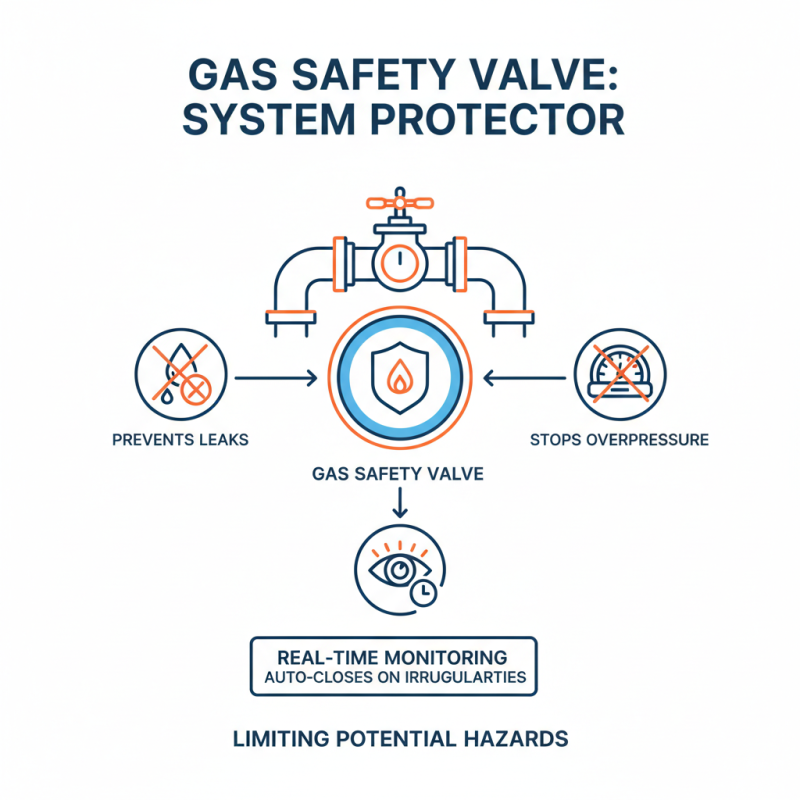
Gas safety valves play a crucial role in gas systems. They act as a protective mechanism, preventing leaks and overpressure situations. When a gas system operates, real-time monitoring is essential. This valve automatically closes when it detects any irregularities, limiting potential hazards.
The design of a gas safety valve is straightforward but effective. It usually features a spring-loaded mechanism. If pressure exceeds a certain limit, the valve reacts instantly. However, not all installations are perfect. Some valves might fail due to poor maintenance or incorrect settings. Routine checks are necessary to ensure safety.
In households or industrial settings, understanding the purpose of these valves is vital. They reduce the risk of explosions and gas leaks. The peace of mind they provide is invaluable. Yet, reliance on technology should be balanced with regular inspections. A small oversight may lead to significant consequences. Each gas system needs a reliable and functioning valve for optimal safety.
How Gas Safety Valves Operate Mechanically
Gas safety valves play a crucial role in managing pressure. They activate when gas pressure exceeds safe levels. This prevents potential disasters. Understanding their mechanical operation is essential for safety.
Internally, gas safety valves have a spring-loaded mechanism. This mechanism reacts to pressure changes. When the pressure rises, the valve opens, allowing gas to escape. The spring then pushes the valve closed when pressure normalizes. This simple yet effective design ensures safety.
However, not all gas safety valves perform perfectly. Sometimes, they can become stuck or fail to respond. Regular maintenance is key to preventing such issues. It’s vital to check these valves periodically. Neglecting them can lead to serious risks. Safety should always be a proactive effort.
What is a Gas Safety Valve and How Does It Work?
| Component |
Function |
Operation Mechanism |
Key Features |
| Gas Safety Valve |
Prevents gas leaks by shutting off gas flow |
Operates based on pressure differentials |
Automatic closure, reliable performance |
| Spring |
Maintains valve closure under normal conditions |
Compresses under pressure to allow flow |
Durable material, adjustable tension |
| Actuator |
Controls the opening and closing of the valve |
Uses electric or pneumatic signals |
Responsive, compatible with automation |
| Seat |
Provides a sealing surface to prevent leaks |
Aligned with the valve disc when closed |
High resistance to wear and corrosion |
| Body |
Encloses the internal components |
Houses the spring, actuator, and seat |
Robust construction, suitable for various gases |
Importance of Regular Maintenance for Gas Safety Valves
Gas safety valves are critical for protecting residential and industrial systems. Regular maintenance is essential. According to industry reports, nearly 20% of gas-related incidents stem from faulty safety valves. This underscores the need for consistent checks and servicing.
During maintenance, technicians often inspect for leaks and corrosion. A small crack can lead to dangerous situations. Reports show that over 30% of safety valves tested annually need repair or replacement. Neglecting this aspect poses a significant risk.
Many people overlook the importance of servicing these valves. Ideally, inspections should occur every six months. Yet, a survey found that only 40% of homeowners adhere to this schedule. This gap highlights a need for greater awareness. It's vital to prioritize these checks. Our safety may depend on it.